



The Tale of Two Cinnamons
The cinnamon sitting in most kitchen cabinets is likely Cassia cinnamon. It’s bold, spicy, and comes from the thick bark of the Cinnamomum cassia tree, primarily grown in China and Southeast Asia. This is the strong, familiar spice we associate with robust
baked goods and hearty dishes. Ceylon cinnamon, on the other hand, is known as “true cinnamon” (from its botanical name, Cinnamomum verum) and hails from Sri Lanka. It’s defined by a more delicate, sweet, and complex flavour profile with floral and citrus notes. This difference in taste is directly linked to its entirely different physical structure.
From Bark to Quill: A Labour of Love
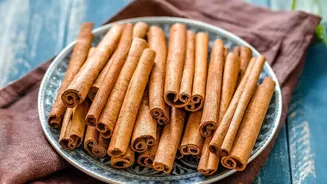
The secret to Ceylon cinnamon's crumbly texture lies in its highly specialised, labour-intensive harvesting process. Harvesters carefully select and cut young shoots from the cinnamon bush. After softening the branches, they scrape away the tough outer bark to reveal the tender inner bark. This inner layer is then meticulously peeled off in paper-thin sheets. Several of these delicate, translucent layers are stacked together and hand-rolled into a tight, multi-layered quill that resembles a cigar. As these quills dry, they become brittle and fragile. This layered construction is why a Ceylon cinnamon stick crumbles easily between your fingers, breaking into soft, flaky pieces.
Cassia: The Harder, Bolder Cousin
The production of Cassia cinnamon is far less intricate. It involves harvesting a single, much thicker layer of bark from a more mature tree. This single, dense piece of bark is dried, and as it does so, it curls inward from both sides to form a hollow, scroll-like tube. The result is a hard, woody stick that is difficult to break and snaps cleanly like a twig rather than crumbling. If you’ve ever tried to snap a common cinnamon stick in half, you’ll know it requires significant force. This density is a clear visual and textural clue that you’re holding Cassia, not Ceylon.
Why Texture Matters in the Kitchen
The difference in texture has practical implications for cooking and baking. Because Ceylon cinnamon is so soft and brittle, it can be ground into an exceptionally fine powder with a simple spice or coffee grinder, or even a mortar and pestle. This fine powder dissolves and integrates seamlessly into delicate dishes, beverages, and desserts like custards or light pastries without adding a gritty texture. Cassia's hardness makes it much more difficult to grind at home. Its robust, pungent flavour holds up well in recipes with strong competing flavours or those requiring high heat, like cinnamon rolls or spiced meat rubs.
A Note on Coumarin
Beyond flavour and texture, there's a significant chemical difference. Cassia cinnamon contains substantially higher levels of a compound called coumarin, which can be harmful to the liver in large or regular doses. Ceylon cinnamon, by contrast, contains only trace amounts, often hundreds of times less than Cassia. For those who consume cinnamon daily for health reasons—in smoothies, oatmeal, or tea—Ceylon is widely considered the safer choice for regular use. The European Food Safety Authority has established a tolerable daily intake for coumarin, which can be easily exceeded with just a teaspoon of Cassia powder.