



The Warming Roof of the World
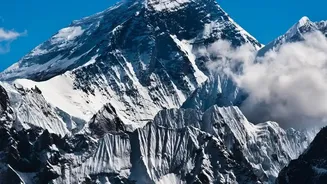
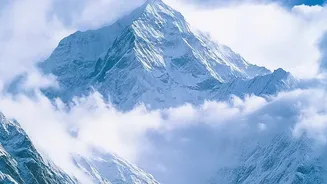
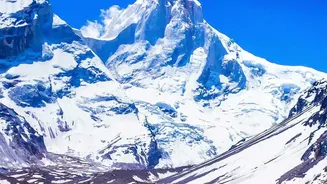
The fundamental problem is that the Hindu Kush Himalaya region is warming at a rate faster than the global average. According to landmark reports from the International Centre for Integrated Mountain Development (ICIMOD), the rate of glacier ice loss
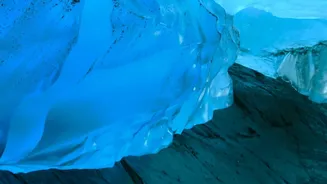
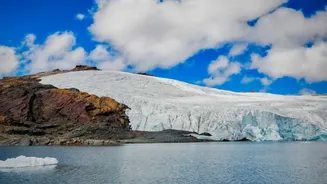
has doubled since the year 2000. Glaciers in the region have lost a significant amount of their mass since the 1970s, with melt rates accelerating dramatically in the last decade. This isn't a distant future scenario; it's a crisis unfolding now, turning centuries-old ice into a new source of danger. This rapid thaw is the primary driver behind the heightened risk of disasters for downstream communities.
The Anatomy of a Glacial Flood
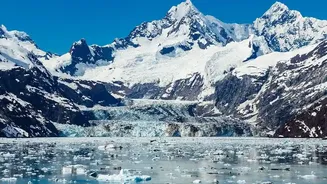
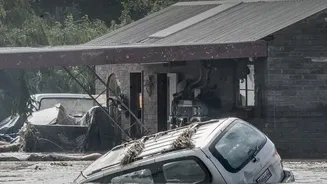
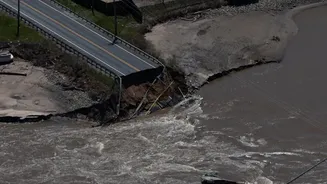
As glaciers melt, the water has to go somewhere. It often pools to form vast glacial lakes, which are frequently held in place only by unstable natural dams made of loose rock and soil, known as moraines. The primary threat is a Glacial Lake Outburst Flood, or GLOF. A GLOF happens when this moraine dam fails, whether due to an earthquake, an avalanche crashing into the lake, or simply the immense pressure of the expanding body of water. This can release a torrent of water, mud, and debris that rushes down steep mountain valleys with little to no warning, destroying everything in its path, including villages, roads, bridges, and critical hydropower plants.
Why Nepal Is on the Frontline
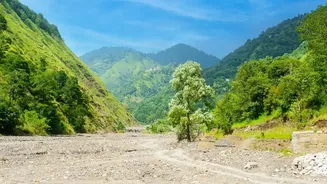
Nepal's unique geography makes it exceptionally vulnerable. Its steep mountain slopes descend into densely populated river valleys where communities and vital infrastructure have been built. Recent studies have identified dozens of potentially dangerous glacial lakes across the wider region, with 21 of them located within Nepal's borders. A catastrophic flood in the Rasuwa district in late August 2026 served as a devastating reminder of this vulnerability, originating from a massive ice and rock collapse high in the mountains. The event highlighted how quickly these disasters can occur, leaving communities downstream with almost no time to react.
Cascading Hazards: More Than Just Floods
Scientists now understand that these are not isolated incidents but complex “cascading hazards”. A disaster might begin with the thawing of permafrost—the permanently frozen ground that acts like glue holding mountain slopes together. This can trigger a massive rock and ice avalanche, which then crashes into and blocks a river, creating a temporary dam. When that dam bursts, it unleashes a devastating flood. This chain reaction makes prediction and early warnings incredibly difficult. Furthermore, the same climatic conditions contribute to more intense monsoon rainfall, which saturates the already fragile slopes and increases the frequency of deadly landslides.
A Race Against Time and a Call for Action
In response, Nepal and its international partners are working to identify the highest-risk lakes and develop early warning systems. There are projects underway to carefully drain some of these dangerous lakes to lower the water levels and reduce the risk of an outburst. However, scientists caution that these efforts, while crucial, may not be enough to counter the escalating threat. Experts and officials stress the urgent need for greater investment in adaptation, resilient infrastructure, and robust monitoring systems. With a contribution of just 0.1% to global emissions, Nepal is facing the severe consequences of a crisis it did little to create, making international solidarity and climate action more critical than ever.