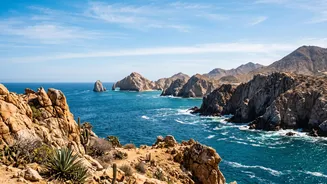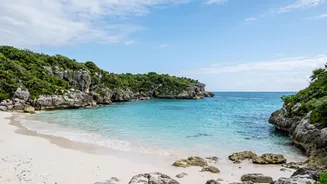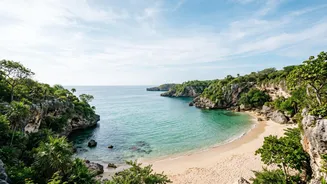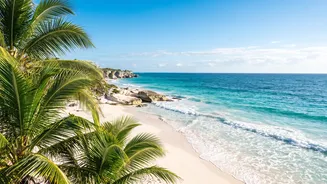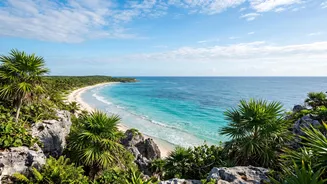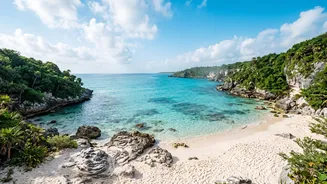







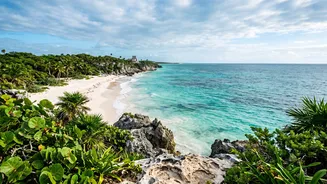
Mexico’s vibrant culture, stunning beaches, and ancient ruins are a massive draw for travellers worldwide. But this popularity means hotspots like Cancún and Tulum can get overwhelmingly crowded, turning a dream holiday into a stressful experience.
Mastering the Travel Calendar
The
single most effective way to avoid crowds is to travel during the 'shoulder seasons'. Mexico's peak tourist season runs from December to April, when the weather is driest and sunniest. This period sees the highest prices and the largest crowds, especially around Christmas, New Year's, and the February-March spring break window. The rainy season, from May to October, is the low season, but you risk hurricanes, particularly in September and October. For the best balance of good weather and fewer people, aim for the shoulder months of November, late April, and May. In November, the rains have subsided, and the holiday rush hasn't begun, making it an ideal time to visit. Similarly, late April and May offer pleasant weather after the spring break crowds have departed.
Smarter Sightseeing Strategies
Even in peak season, you can find moments of solitude at world-famous sites. The key is to strategise your daily itinerary. For major archaeological sites like Chichén Itzá, which receives millions of visitors annually, arriving right at the opening time or a few hours before closing can make a world of difference. Most large tour buses arrive mid-morning, creating a massive surge of people. By arriving early, you get to experience the ruins in the cooler morning air with better light for photos and far more breathing room. Another pro tip is to avoid visiting these sites on Sundays, when local citizens often receive free admission, leading to larger crowds. Some experienced travellers even suggest a late afternoon visit, around 2:00 or 2:30 PM, as the day-trippers begin to leave, allowing you to enjoy the final hours in relative peace.
Discovering Alternative Destinations
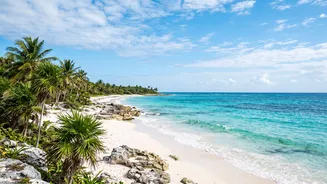
While Cancún and Tulum are famous for a reason, Mexico offers countless other stunning locations without the overwhelming crowds. Instead of Tulum, which has become known for its crowds and 'Instagrammer' lines, consider the laid-back island of Isla Holbox. It's a car-free island with sandy streets, a more relaxed vibe, and beautiful beaches where you can actually watch the sunset over the water—something you can't do in Tulum. On the Pacific Coast, instead of the busiest parts of Puerto Vallarta, explore the Riviera Nayarit, which has quieter beach towns like Chacala and Lo de Marcos. The Pacific generally offers more dramatic scenery with mountains meeting the sea, while the Caribbean is known for its calm, turquoise waters. For a unique cultural trip, consider exploring inland 'Magic Towns' like Valladolid, which is a great base for visiting Chichén Itzá without staying in a mega-resort.
Embrace the 'Off-Peak' Mindset
Beyond just avoiding crowds, a flexible mindset can transform your trip. Instead of rushing from one packed tourist spot to another, consider 'slow travel'. Spending more time in one region allows you to explore beyond the main attractions and discover local markets, family-run restaurants, and hidden beaches. In cities like Cancún, this can be as simple as venturing away from the main 'Hotel Zone' and into the downtown area, where you'll find more authentic food at better prices. Rather than heading to the most famous cenotes near Tulum, which can feel crowded, ask a local guide or your hotel for recommendations on lesserknown swimming holes. Booking private tours or arranging your own transport can also give you the flexibility to set your own schedule, leaving earlier than the big tour groups and having the freedom to change your plans on a whim.