
The Carb-Heavy Habit
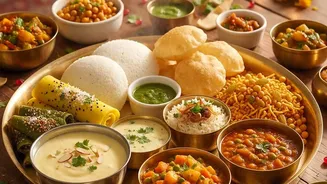
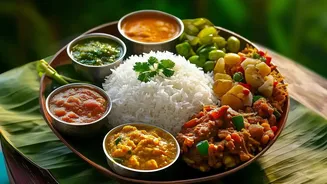
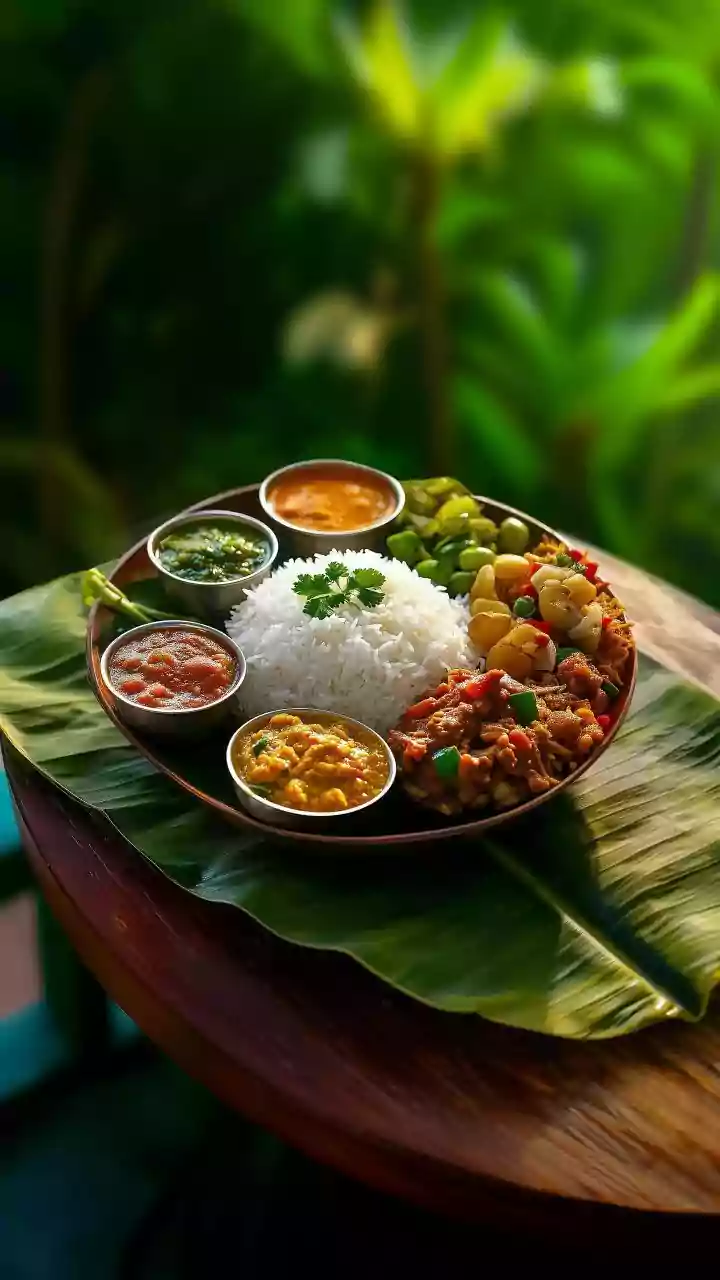
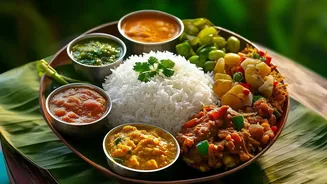
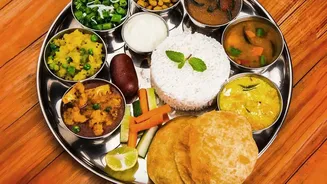
A traditional Indian vegetarian diet is not inherently unhealthy. In fact, studies have shown that vegetarian diets can be associated with a lower risk of diabetes. The problem arises from the modern composition of the plate. Many daily meals are dominated
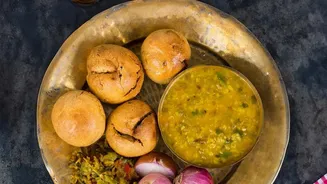
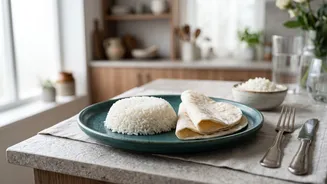
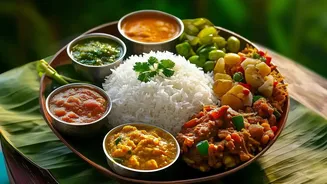
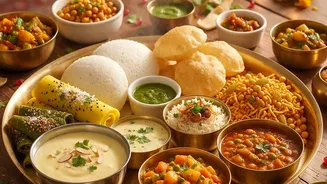
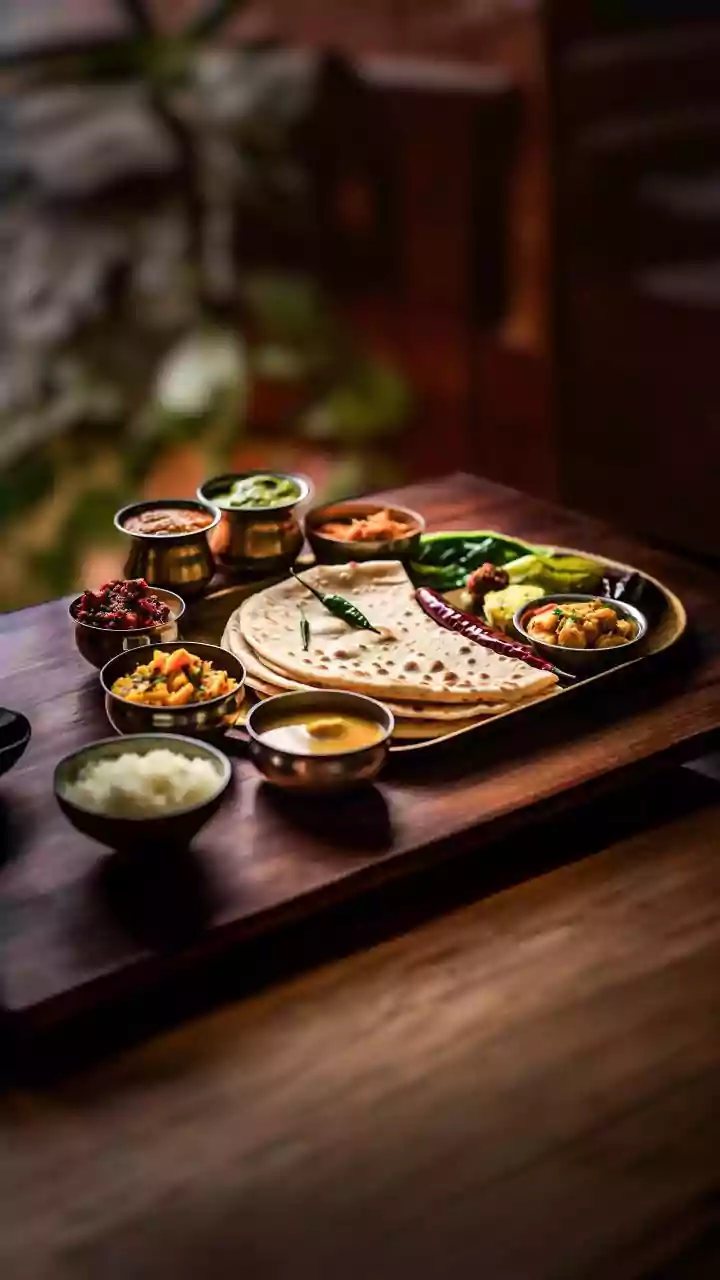
by carbohydrates, often making up 60-70% of the plate. This includes large portions of polished white rice, multiple rotis made from refined wheat flour (maida), and starchy vegetables like potatoes. While these foods provide quick energy, they are often low in protein and fibre, leading to frequent blood sugar fluctuations and increased metabolic strain over time. This imbalance is where the risk lies—not in the absence of meat, but in the over-reliance on simple, fast-digesting carbs.
Identifying the Refined Culprits
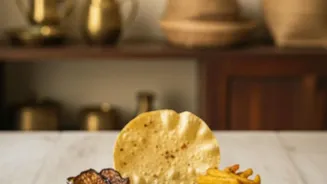
Refined carbohydrates are grains that have been stripped of their bran and germ, removing most of the fibre, vitamins, and minerals. In the context of an Indian diet, the most common culprits are polished white rice, maida-based products like naan, bhatura, and white bread, and sugary snacks or drinks. Deep-fried snacks such as samosas and pakoras, while delicious, also contribute to this issue. These foods have a high glycemic index, meaning they are broken down quickly by the body, causing a rapid spike in blood glucose levels. This forces the pancreas to work overtime to produce insulin, and frequent spikes can lead to insulin resistance, a key precursor to type 2 diabetes.
The Plate Method: A Simple Fix
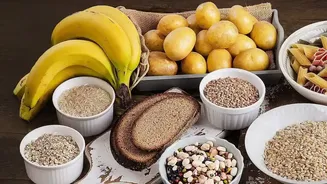
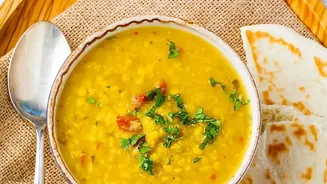
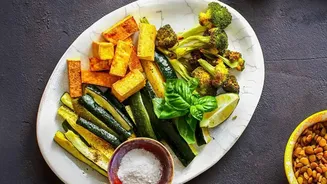
The simplest way to restructure your meals for better blood sugar control is the 'Indian Diabetes Plate Method'. It's a visual guide that requires no complicated calorie counting. Imagine a 9-inch dinner plate and divide it: Half your plate (50%) with non-starchy vegetables: Fill the largest section with foods like spinach, cabbage, bhindi (okra), tomatoes, cucumber, and bell peppers. These are packed with fibre, which slows down sugar absorption. One-quarter of your plate (25%) with lean protein: This portion should include dals, chickpeas (chana), kidney beans (rajma), paneer, tofu, or curd. Protein helps you feel full and stabilises blood sugar. * One-quarter of your plate (25%) with complex carbohydrates: This is the key change. Instead of white rice or maida rotis, choose whole grains. This includes brown rice, millets like jowar, bajra, and ragi, or rotis made from whole wheat (atta). Portion control is crucial here—limit it to one small bowl of grains or one to two small rotis.
Smart Swaps for Everyday Meals
Making a few simple substitutions can have a significant impact without sacrificing flavour. Start with your staples. Swap polished white rice for unpolished brown, red, or parboiled rice. When making rotis or parathas, use whole wheat atta or even better, millet flours like jowar or ragi, which are higher in fibre. For breakfast, instead of carb-heavy options like poha or upma, try a moong dal chilla or vegetable-loaded dalia, which provide a better balance of protein and complex carbs. When snacking, reach for a handful of roasted chana, nuts, or sprouts instead of fried namkeen or biscuits. These changes help ensure you get sustained energy without the sharp glucose spikes.