






The Monsoon Contamination Problem
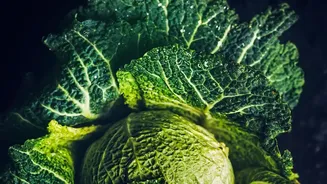
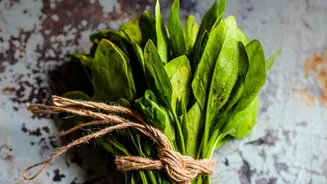
The combination of high humidity, moisture, and warmer temperatures during the Indian monsoon creates a flourishing environment for bacteria, fungi, and parasites. This is especially true for leafy vegetables like spinach, cabbage, and coriander, which
grow close to the ground. Waterlogged fields and contaminated soil mean that germs, pesticide residues, and tiny insect larvae can easily cling to the leaves, making them a significant source of foodborne illnesses like diarrhoea, typhoid, and other stomach infections. The complex, layered structure of these vegetables makes it difficult for a simple rinse to remove all hidden contaminants.
What's Hiding in the Leaves?
During the rainy season, leafy greens can harbour a host of invisible threats. These include harmful bacteria like E. coli and Salmonella, which thrive in damp conditions and can cause severe gastrointestinal distress. Fungal growth is also more common, leading to spoilage and potential toxins. Beyond microbial risks, the leaves often trap tiny worms and larvae that are hard to spot with the naked eye. Even after a wash, some germs may remain, making it crucial to adopt a more rigorous cleaning process and to be mindful of how the greens are consumed.
A Smart Shopper's Guide
Your first line of defence begins at the market. When buying leafy greens, be extra selective. Look for fresh, crisp leaves and avoid anything that looks wilted, slimy, or has yellow or brown spots. Check the bunches for excessive mud, which indicates they were grown in waterlogged conditions and carry a higher contamination risk. It's also wise to avoid pre-cut greens, as the exposed surfaces can harbour more bacteria. Opt for whole, intact bunches that you can inspect and clean thoroughly yourself. Buying smaller batches more frequently is also a better strategy than storing large quantities, which are prone to spoilage in the humid weather.
The Ultimate Cleaning Process
A quick rinse under the tap is not enough during the monsoon. Follow these steps to ensure your greens are as clean as possible. First, separate the leaves and discard any that are spoiled or discoloured. Rinse them under clean, running water to remove loose dirt. Next, prepare a soak. Fill a large bowl with water and add a tablespoon of salt or a splash of white vinegar, which act as natural disinfectants and help dislodge hidden pests. Submerge the leaves for 10-15 minutes. Afterwards, lift the leaves out of the water, allowing the dirt to settle at the bottom, and give them a final rinse. Crucially, dry the leaves completely using a salad spinner or by patting them with a clean cloth, as moisture encourages decay.
Cooking: Your Final Safety Net
Perhaps the most important rule for consuming leafy greens in the monsoon is to cook them thoroughly. Heat is highly effective at killing any lingering bacteria, viruses, and parasites that may have survived the washing process. Health experts strongly advise against consuming raw leafy salads during this season, especially from outside sources where cleaning standards are unknown. Steaming, blanching, or adding greens to curries and dals ensures they reach a safe temperature. Even if you're making a dish that calls for lightly wilted greens, ensure they are heated through. This final step provides a crucial layer of protection, allowing you to enjoy their nutritional benefits without the risk.