






Putting 714 Gigatonnes in Perspective
The figure of 714 gigatonnes, highlighted in the UN's 2026 'State of the World's Forests' report, represents the total carbon locked within the world's forests. This isn't just the wood in the trees; it includes carbon stored in live biomass (both above
and below ground), dead wood, leaf litter, and critically, vast amounts held within forest soils. To put it in perspective, this is nearly a century's worth of current annual fossil fuel emissions. Tropical forests, while covering only about 30% of the world's land, hold about half of this vital carbon stock. These ecosystems function as the planet's oldest and most efficient carbon capture technology, using photosynthesis to pull CO2 from the air and store it for decades, even centuries. This makes them an indispensable ally in the fight against climate change.
The Threat of Reversal
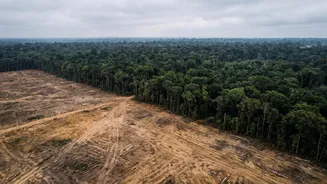
This massive carbon reservoir is not guaranteed to stay locked away. When forests are cleared or degraded, they transform from a carbon sink into a carbon source. Deforestation, driven by land-use change, agriculture, and resource demand, releases this stored carbon back into the atmosphere, accelerating climate change. The UN Food and Agriculture Organization (FAO) reports that over 489 million hectares of forest were lost between 1990 and 2025. Furthermore, climate change itself creates a dangerous feedback loop. Rising temperatures lead to more frequent and intense droughts, wildfires, and pest outbreaks, which weaken and destroy forests, causing them to release even more carbon. This dual threat underscores the urgency not only of protecting the forests we have but of restoring what has been lost.
What 'Restoration' Really Means
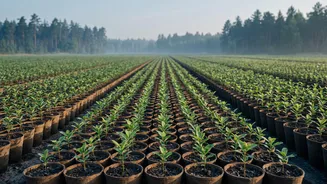
Forest restoration is far more sophisticated than simply planting rows of trees. At its best, it involves rebuilding the ecological integrity of a landscape. This can take several forms. Natural regeneration, where forests are allowed to regrow on their own with protection, can be a highly effective and low-cost method. Active planting with a diverse mix of native species helps to re-establish biodiversity and create resilient ecosystems that can better withstand climate shocks. Another key strategy is agroforestry, which integrates trees into farms and pasturelands. This approach helps store carbon while also improving soil health, preventing erosion, and providing alternative income streams for farmers. The goal is not just to increase tree cover, but to restore functioning ecosystems that support wildlife and people.
India's Stake in a Greener World
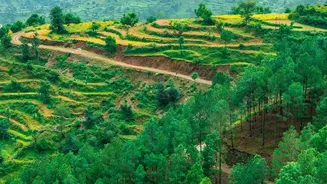
For India, the stakes are particularly high. The nation is highly vulnerable to the impacts of climate change, from extreme weather events to water stress. At the same time, there has been a documented greening trend across parts of India over the past few decades, driven by a combination of factors including forest conservation and expansion policies. Forest restoration aligns perfectly with national priorities. Healthy forests are critical for water security, as they act like sponges that regulate water flow, filter pollutants, and recharge groundwater. This is vital for a country where water scarcity is a growing concern. Furthermore, restoration projects create green jobs, particularly in rural areas, supporting livelihoods and local economies. By investing in its forests, India can build climate resilience, enhance biodiversity, and secure essential resources for its population.
Beyond Carbon: A Cascade of Benefits
While carbon sequestration is the headline benefit, the positive impacts of forest restoration ripple throughout society and the environment. Restored forests provide habitats for up to 80% of the world's land-dwelling species, making them crucial for halting biodiversity loss. They improve air quality, stabilise soil to prevent landslides and erosion, and protect coastal communities from storm surges. For billions of people, forests are a direct source of food, medicine, and livelihoods. Economically, the returns are significant. It is estimated that every dollar invested in restoration can generate many times that amount in economic benefits through improved crop yields, clean water, and forest products. This makes forest restoration one of the most cost-effective and multifaceted solutions available to tackle our planet's most pressing challenges.