





Nature's Sweetener: What's Inside a Date?
At first glance, a date is simply a dried fruit. But packed within its chewy, caramel-like flesh is a surprising amount of nutrition that sets it worlds apart from the empty calories of processed candy and desserts. Unlike refined sugar, which is stripped
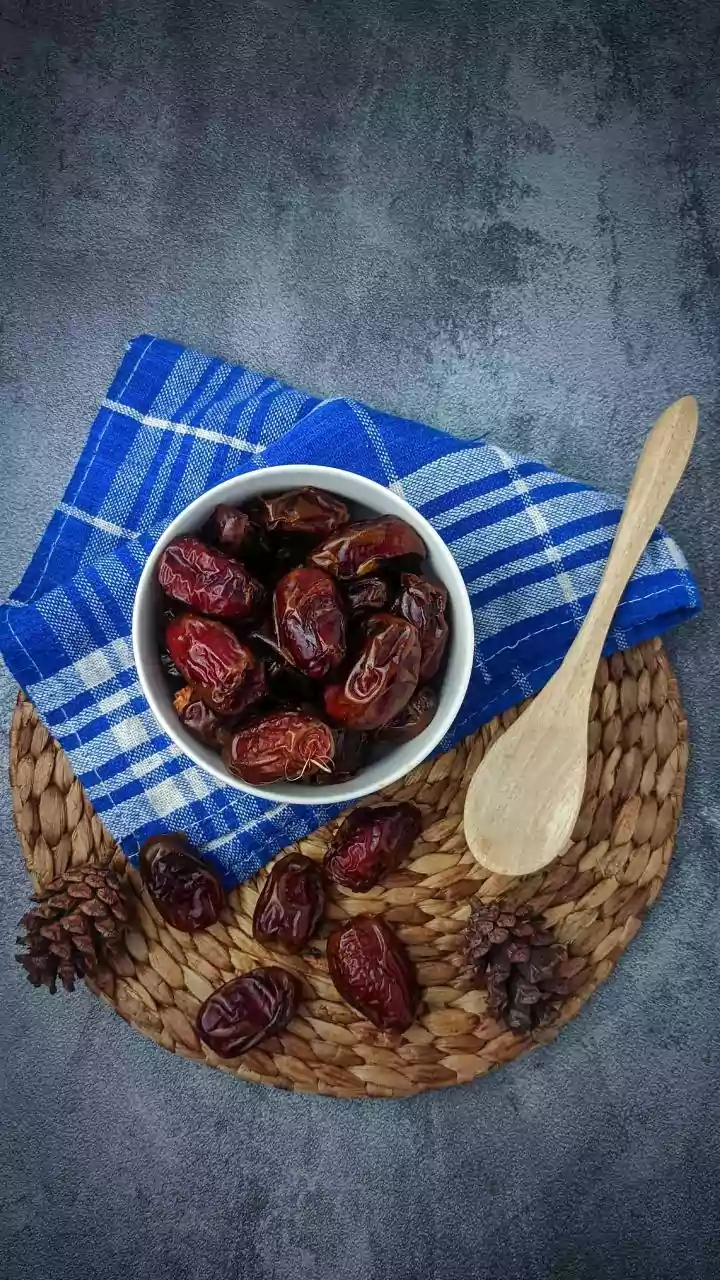
of all nutrients during processing, dates are a whole food. They are an excellent source of dietary fibre, which is crucial for good digestion and helps you feel full for longer. Beyond fibre, dates are loaded with essential minerals like potassium, which supports nerve and muscle function, as well as magnesium, iron, and copper. They also provide the body with antioxidants and important B vitamins. This combination of nutrients means that when you eat a date, you're not just consuming sugar; you're getting a bundle of beneficial compounds that support your overall health. It's sweetness with substance.
The Problem with Processed Sweets
Highly processed sweets—think packaged cookies, candies, and sugary drinks—are a major feature of the modern diet, but they come with significant health costs. These products are typically high in added sugars, unhealthy fats, and sodium, while offering little to no nutritional value like fibre, vitamins, or minerals. Regular consumption of these foods is strongly linked to a range of chronic health issues, including obesity, type 2 diabetes, and heart disease. The reason is simple: their high concentration of refined sugar causes a rapid spike in blood glucose levels. This leads to a quick burst of energy followed by an inevitable crash, often leaving you feeling tired and craving even more sugar. This cycle can contribute to inflammation and other negative health effects over time.
But Aren't Dates Full of Sugar?
This is a common and valid question. Yes, dates are naturally high in sugar. However, the way your body processes this sugar is completely different from how it handles refined sugar. The key difference is the presence of fibre. The significant amount of dietary fibre in dates slows down the absorption of its natural sugars into the bloodstream. This results in a much more gradual and stable release of energy, preventing the dramatic blood sugar spikes and crashes associated with processed sweets. This is reflected in the glycemic index (GI), a scale that measures how quickly a food raises blood sugar. Dates have a low-to-moderate GI, typically ranging from 42 to 55, while pure white sugar has a higher GI of around 65. This makes dates a smarter choice for sustained energy and better metabolic health.
How to Easily Swap Dates for Sugar
Incorporating dates into your diet is easier than you might think. For a quick snack, simply eating two or three whole dates can curb a sugar craving effectively. For more versatility, creating a date paste is a game-changer. Simply soak pitted dates in warm water until soft, then blend them into a smooth paste. You can use this paste as a one-to-one replacement for sugar in many baking recipes for items like muffins, brownies, and cakes. It adds natural sweetness along with moisture and a pleasant chewiness. Chopped dates are also a fantastic addition to your morning oatmeal, yoghurt, or smoothies. You can even make date sugar by dehydrating and grinding dates into a powder, which works well in recipes where a dry sweetener is needed. For a savoury twist, chopped dates can add a hint of sweetness to balance roasted vegetables or meat rubs.
Choosing the Right Date
When you get to the grocery store, you'll likely find a few different varieties of dates. The two most common are Medjool and Deglet Noor. Medjool dates are large, plump, and very soft, with a rich, caramel-like flavour that makes them perfect for snacking or blending into a smooth paste. Deglet Noor dates are typically smaller, firmer, and have a milder, honey-like sweetness. Their firm texture helps them hold their shape well, making them an excellent choice for chopping and adding to baked goods like cookies and breads. While Medjools are often considered a more premium, indulgent snack, the more budget-friendly Deglet Noor is a versatile workhorse in the kitchen. Both are great nutritional choices, so your decision can come down to personal preference and how you plan to use them.