



Understanding the 'Brightening' Buzzwords
First, let's clear up some confusion. The terms 'brightening,' 'lightening,' and 'bleaching' are often used interchangeably, but they mean very different things. Skin brightening focuses on increasing radiance and restoring vibrancy to your complexion.
It's about exfoliating dead skin cells to reveal the fresh, healthy skin underneath. Skin lightening, on the other hand, involves reducing pigmentation and dark spots caused by sun damage or inflammation. Skin bleaching is the most aggressive and risky approach, aiming to change your overall natural skin tone, often with harsh chemicals like high-dose hydroquinone or even mercury in unregulated products. These 'bleach-like' claims are not only misleading but can pose serious health risks.
Red Flag Ingredients Hiding in Your Kitchen
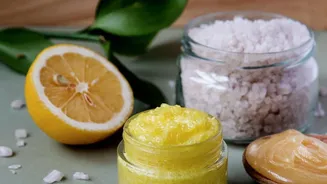
Many viral DIY skincare hacks feature ingredients that sound harmless because they're 'natural,' but they can wreak havoc on your skin's delicate barrier. Dermatologists warn against using ingredients like undiluted lemon juice and baking soda. Lemon juice is highly acidic, with a pH of around 2, while your skin’s natural pH is about 5.5. This extreme acidity can disrupt your skin's protective barrier, leading to irritation, dryness, and chemical burns. Worse, it can cause photosensitivity, making your skin highly susceptible to severe sunburn and long-lasting dark patches, a condition known as phytophotodermatitis. Baking soda is on the other extreme; its alkaline nature also disrupts the skin's pH, which can trigger dryness or even excess oil production. Other popular but potentially harmful DIY ingredients include undiluted apple cider vinegar, toothpaste, and certain essential oils, which can all cause contact dermatitis and allergic reactions.
The Goal: A Healthy, Even-Toned Glow
True skin brightening isn’t about changing your skin colour; it’s about achieving an even, glowing complexion. This is done by addressing issues like hyperpigmentation—the dark spots left behind by acne or sun exposure—and dullness caused by a buildup of dead skin cells. The process is a marathon, not a sprint. Safe and effective brightening is gradual and focuses on nourishing the skin and protecting it from further damage. It involves using ingredients that gently inhibit excess melanin production, promote cell turnover, and provide antioxidant protection. This approach supports your skin's long-term health, rather than stripping it with aggressive chemicals for a temporary, and often uneven, result.
Safer Alternatives for DIY Brightening
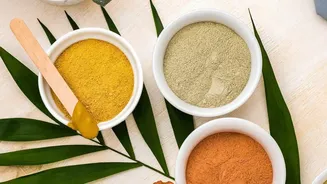
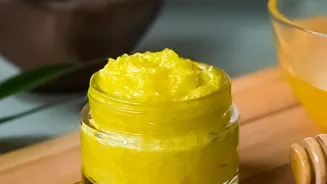
If you want to go the DIY route, choose ingredients that are gentle yet effective. Many natural ingredients are praised by dermatologists for their brightening properties when used correctly. Turmeric, for instance, has been used for centuries to impart a glow and can help even out skin tone. Papaya contains the enzyme papain, which acts as a gentle exfoliant to slough off dead skin cells. Yoghurt and milk contain lactic acid, a mild alpha-hydroxy acid (AHA) that exfoliates and moisturises. Other effective ingredients you can look for in professionally formulated products include Vitamin C, licorice root extract, and niacinamide (Vitamin B3). These are backed by science to help reduce dark spots and improve overall radiance without the harsh side effects of homemade concoctions.
Best Practices for At-Home Skincare
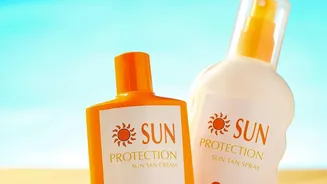
Regardless of the ingredients you choose, safety should always come first. The golden rule of trying anything new is to conduct a patch test. Apply a small amount of the product or DIY mixture to a discreet area of skin, like behind your ear or on your inner arm, and wait 24-48 hours to see if any irritation occurs. Furthermore, if you are using any ingredients that promote cell turnover or exfoliation (even gentle ones), your skin will be more sensitive to the sun. Daily application of a broad-spectrum sunscreen is non-negotiable to protect your skin from UV damage and prevent dark spots from worsening. Finally, be patient and realistic. Natural ingredients work subtly and over time to improve your skin’s health and appearance.