




From Seeing Sights to Feeling Places
For years, travel was about collecting passport stamps or racing through a checklist of domestic monuments. The goal was to see as much as possible. But 2026 is witnessing a profound shift from this 'more is more' mindset to something deeper. Enter 'inward
wanderlust,' a term that captures the growing desire for meaningful and intentional travel. It’s less about where you go and more about how you feel when you’re there. This trend, also known as slow travel, encourages travellers to swap hurried itineraries for unhurried exploration, allowing for genuine connection with a place, its people, and its culture. It’s about experiencing India not as a destination to be consumed, but as a place to be felt.
Who Is Driving This Change?
At the forefront of this movement are India's Gen Z and Millennial travellers. Recent reports show a significant change in their travel habits. According to a 2026 Airbnb report, a staggering 95% of young Indian travellers say it's important that their trip feels personal and unique, rather than a pre-packaged, popular option. For them, travel has become a form of self-expression. They are more likely to seek out destinations that haven't gone viral, prioritising nature, slow travel, and culinary exploration. This generation prefers shorter, more frequent trips that offer authentic experiences, such as exploring different cultures and engaging in outdoor activities. They are trading the annual long holiday for multiple, shorter, more personal getaways.
The Rise of Immersive Experiences
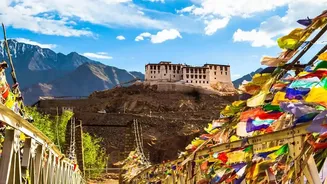
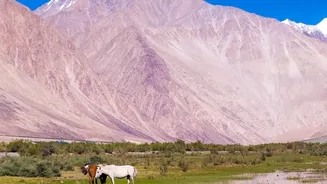
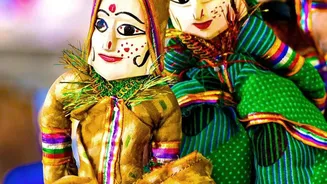
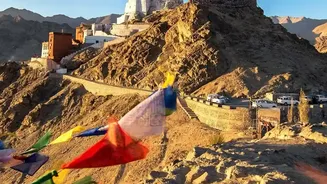
So, what does inward wanderlust look like in practice? It’s choosing to stay in a heritage tea bungalow in Jorhat, Assam, to understand the rhythm of a plantation. It’s taking a culinary tour of Goa that goes beyond the beach shacks to include visits to local markets and workshops on traditional recipes. It’s learning about tribal culture in Odisha or exploring the monasteries of Ladakh and Spiti Valley. This trend prioritises cultural immersion as the new luxury. It could mean signing up for a block-printing workshop in Rajasthan, learning to cook with a local family, or spending time in a rural village to understand its way of life. These experiences offer a level of connection and authenticity that a quick selfie at a monument simply cannot match.
Rediscovering India's Hidden Gems
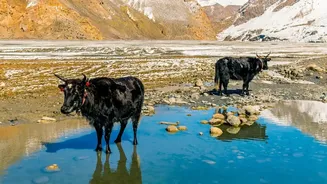
This shift is putting a new map of India on the travel radar. While the Golden Triangle will always have its charm, travellers are increasingly looking towards lesser-known destinations. Flight searches for places like Jorhat have seen a massive year-on-year surge. Regions like the Nilgiris in the south, tribal areas in the North-East like Majuli Island, and quiet Himalayan valleys in Uttarakhand and Himachal are gaining popularity. Even popular destinations are being explored differently. Instead of the crowded beaches of North Goa, travellers are seeking the 'susegad' bliss of quieter villages like Aldona and Siolim. The focus is on finding tranquillity, connecting with nature, and discovering the cultural richness that lies beyond the usual tourist circuits.
More Than Just a Holiday
The trend of inward wanderlust is more than just a passing phase; it’s a reflection of a deeper change in our values. It’s a move towards more conscious and sustainable tourism that benefits local communities directly. By prioritising homestays, local artisans, and regional cuisine, travellers are contributing to the preservation of India's diverse cultural heritage. This form of travel not only enriches the traveller but also empowers the host communities. It fosters a sense of pride and creates economic opportunities that are rooted in authenticity. As we continue to explore our own backyards with fresh eyes, we're not just discovering new places; we're fostering a deeper understanding and appreciation for the incredible diversity that defines India.