




The Heart of the Matter: Why Sabudana?
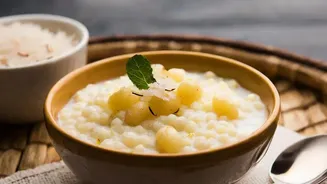
Sabudana, also known as tapioca pearls, is a staple during Hindu fasting periods like Navratri. Derived from the starch of the cassava root, it's not a grain but a pure source of carbohydrates. This makes it an ideal food for fasting, as it provides a quick
and sustained energy boost when daily meals are restricted. Beyond the energy, it's also naturally gluten-free and easy to digest, making it gentle on the stomach during a fast. While not a religious requirement, its versatility in dishes like khichdi, vadas, and kheer has cemented its place in India's rich fasting traditions.
Gather Your Ingredients
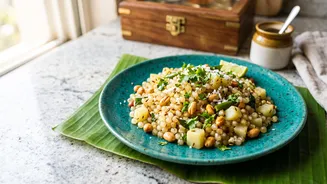
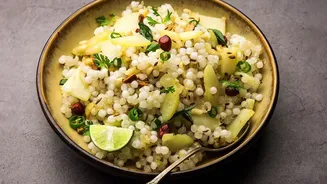
For a classic Sabudana Khichdi that serves two to three people, you will need a simple set of ingredients. The key is to use fasting-appropriate items. You will require: 1 cup of sabudana (tapioca pearls), 1 large potato, ½ cup of raw peanuts, 2-3 green chilies (finely chopped), 1 teaspoon of cumin seeds (jeera), a few curry leaves (optional, as per family tradition), 2 tablespoons of ghee or peanut oil, rock salt (sendha namak) to taste, 1 teaspoon of sugar (optional, for balancing flavour), and finally, the juice of half a lemon and fresh coriander for garnish. Some recipes also use a bit of ginger, but the classic version keeps it simple.
The Most Crucial Step: Soaking Sabudana
The secret to a non-sticky khichdi lies entirely in how you soak the sabudana. This cannot be overstated. First, rinse the sabudana under running water 3-4 times, or until the water runs clear. This process removes the excess starch on the surface, which is the primary cause of stickiness. Once rinsed, place the pearls in a wide bowl. The water-to-sabudana ratio is critical. Use just enough water to cover the pearls, typically a 1:1 ratio (1 cup of sabudana to 1 cup of water). Let them soak for at least 4-6 hours, or preferably overnight. A perfectly soaked pearl will flatten completely when pressed between your thumb and forefinger, with no hard center. Before cooking, drain any tiny amount of excess water that may remain.
Prepping the Supporting Cast
While your sabudana is resting, prepare the other components. You can either boil, peel, and dice the potato into small cubes or use raw, diced potatoes, which will be cooked in the pan. Boiled potatoes give a softer texture, while raw ones can be fried until slightly crisp. Dry roast the raw peanuts in a pan over low heat until they are crunchy and aromatic. Once they cool, you can either crush them coarsely in a mixer or with a rolling pin, or keep them whole for more texture. Pre-mixing the coarsely crushed peanuts with the soaked sabudana can also help absorb any residual moisture and keep the pearls separate.
The Final Assembly: Cooking to Perfection
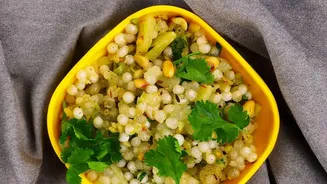
Heat ghee or oil in a wide, non-stick pan over medium heat. Add the cumin seeds and let them splutter. Follow with the chopped green chilies and curry leaves, sautéing for about 30 seconds. If using raw potatoes, add them now with a pinch of rock salt and cook, covered, until they are tender. If using boiled potatoes, simply sauté them for a couple of minutes until lightly golden. Now, add the soaked and drained sabudana. Stir gently to combine everything, ensuring you don't break the pearls. Cook for just 3-5 minutes, stirring occasionally, until the sabudana pearls turn translucent. Overcooking is a common mistake that leads to a chewy, lumpy texture. Finally, turn off the heat. Stir in the crushed peanuts (if not already mixed), sugar (if using), lemon juice, and chopped coriander. The lemon juice not only adds a fresh tang but also helps in keeping the pearls separated. Toss gently one last time and serve hot.