




Why Your Balcony Matters to Pollinators
In India's rapidly growing cities, green spaces are shrinking. This loss of habitat is tough on pollinators—the bees, butterflies, birds, and other insects responsible for helping most of our food crops reproduce. A study on bees in Bengaluru highlighted
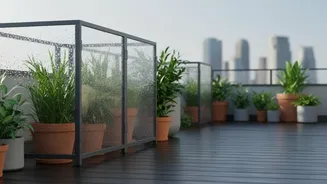
the stress urbanisation and pollution place on these vital creatures. But there is hope, and it is blooming on our balconies. A network of small, flower-filled spaces across a city can create crucial 'stepping stones' for pollinators, providing them with the food and shelter they need to survive and travel. Your balcony, no matter how small, can become a vital part of this urban ecological corridor, a mini-sanctuary that supports biodiversity right outside your window. By making a few conscious choices, you can bring life back to your corner of the city and enjoy the rewards of a garden buzzing with activity.
Choose the Right Flowers for Indian Balconies
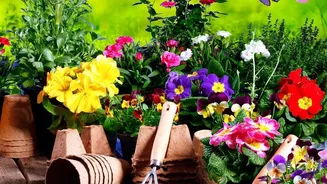
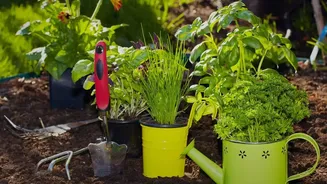
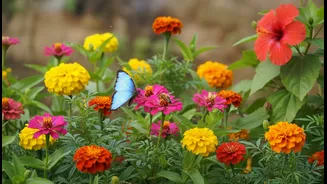
The secret to attracting pollinators is to offer a buffet of nectar-rich flowers. The good news is that many of these are easy to grow in pots and are perfectly suited to Indian climates. Bright, cheerful Marigolds (Genda) are a fantastic choice, known to attract both bees and butterflies. Cosmos, with their delicate, open blooms, are another butterfly magnet. For a burst of colour and to attract a variety of bees, consider planting dwarf Sunflowers, Petunias, or Salvia. Don't overlook herbs; letting a pot of Basil (Tulsi) or Mint (Pudina) go to flower will have bees flocking to your balcony. To attract beautiful sunbirds, include some tubular flowers like Hibiscus. The key is variety. Plant flowers of different colours, shapes, and sizes to appeal to a wider range of pollinators. Planting in clusters, rather than single scattered plants, also makes your balcony a more attractive target for these tiny visitors.
Go Chemical-Free: Safer Pest Control
One of the most significant steps you can take is to eliminate chemical pesticides. These products are often indiscriminate, killing beneficial pollinators along with the pests you’re trying to control. Thankfully, there are many effective and organic ways to manage garden intruders. A simple spray made from neem oil is a powerful, traditional tool in Indian gardening that disrupts the life cycle of many pests without harming beneficial insects. A homemade spray of garlic and chili blended with water can also act as a strong repellent. For aphids and mealybugs, a gentle solution of liquid soap and water is often enough. Companion planting offers a proactive approach; planting marigolds among your other plants can help deter pests like whiteflies, while basil can ward off aphids. By adopting these gentler methods, you create a safe space for pollinators to feed without risk, ensuring your balcony is a haven, not a hazard.
Think Beyond the Blooms: Water and Shelter
A complete habitat offers more than just food. Pollinators also need water and a place to rest. Providing a water source can be as simple as filling a shallow dish or tray with water and placing a few pebbles or marbles in it. The stones give bees and butterflies a safe place to land and drink without the risk of drowning. Remember to change the water every couple of days to keep it fresh and prevent mosquito breeding. Shelter is also important, especially from strong winds or harsh sun. Densely planted pots can offer some refuge. You can even create a simple 'bee hotel' by bundling hollow stems or drilling holes in a block of untreated wood, providing nesting spots for solitary bees. These small additions turn your balcony from a simple feeding station into a true, supportive habitat.