






A New King in the Skies
According to the latest preliminary data from Airports Council International (ACI) for the first half of 2026, Incheon handled an impressive 38.39 million international passengers. This figure narrowly pushed it past London's Heathrow, which saw 37.79
million international travellers. Singapore's Changi Airport rounded out the top three. The milestone marks a historic first for Incheon, which only opened in 2001. Its journey to the top has been a story of steady, deliberate growth, rising from 10th place in 2002 to the number one spot just over two decades later. This isn't just a win for a single airport; it's a clear indicator of a fundamental rebalancing in global aviation, with the centre of gravity visibly moving eastward.
The Incheon Formula for Success
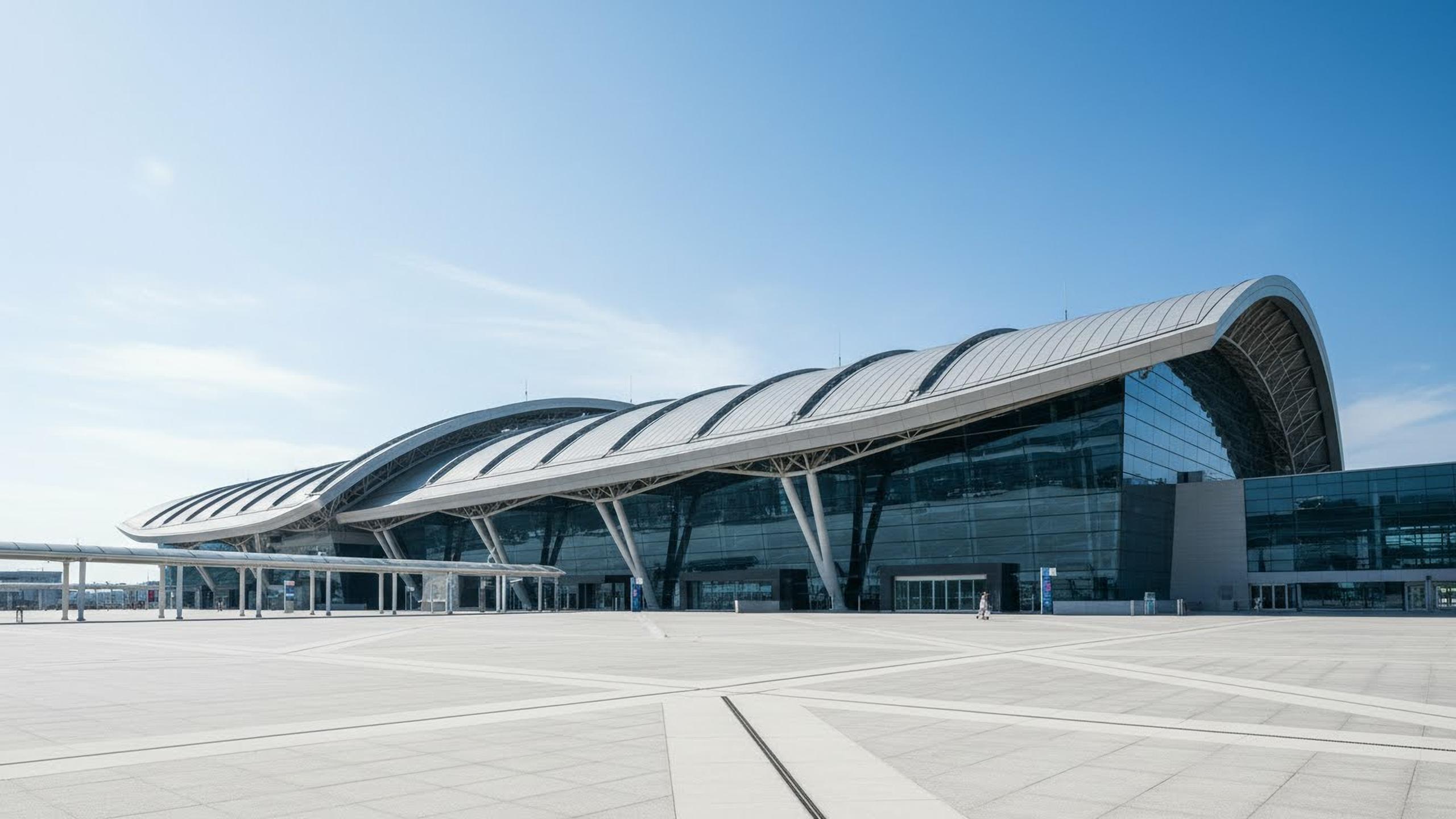
So, how did Incheon achieve this? It wasn't by accident. For years, the airport has been a masterclass in efficiency, innovation, and passenger-centric design. It has consistently won awards for service quality, focusing on making the travel experience seamless and even enjoyable. Inside, passengers find everything from cultural museums and live performances to indoor gardens and robotic assistants. But its success runs deeper than amenities. Strategic, government-backed expansion has been key. A massive four-phase development project completed in late 2024 boosted its annual capacity to 106 million passengers, making it the third-largest in the world by that measure. This foresight allowed it to handle surging demand while other hubs faced constraints. Furthermore, Incheon serves as a critical connection point, linking 183 cities through over 100 airlines, giving it a more extensive network than many regional competitors.
Heathrow's Turbulent Journey
While Incheon ascended, Heathrow faced a different set of challenges. The venerable London hub has long been a titan of international travel, but it has been operating at or near full capacity for years. Recent geopolitical events have also played a significant role. Disruptions to flight paths over the Middle East redirected a notable amount of transfer traffic, particularly on routes to Europe, with some of that flow being captured by East Asian hubs like Incheon. Reports show Incheon’s transfer traffic from Europe surged by over 60% in the first half of the year. While Heathrow's overall numbers remain strong—it actually had its busiest first half on record when including domestic passengers—the dip in crucial international routes was enough to cost it the top spot.
A Global Shift Eastward
Incheon's rise is the most visible symptom of a much broader trend: the explosive growth of the Asia-Pacific aviation market. Driven by expanding middle classes in countries like China and India, rising disposable incomes, and huge investments in infrastructure, the region is becoming the engine of global air travel. Forecasters predict that the Asia-Pacific region will account for nearly half of all new aircraft deliveries over the next two decades. This isn't just about more tourists. It signifies a profound economic shift, with business, trade, and cultural exchange increasingly centred on Asia. Airports are vital economic arteries, and the growth of hubs like Incheon, Singapore, and New Delhi reflects this new reality.
What This Means for Indian Travellers
For travellers from India, the rise of Incheon and other Asian super-hubs is overwhelmingly positive news. Increased competition among major hubs generally leads to more flight options, competitive airfares, and improved connectivity. As Incheon solidifies its position as a primary gateway between Asia, Europe, and North America, Indian passengers can expect more efficient one-stop routes to a wider range of global destinations. The emphasis on passenger experience at airports like Incheon and Changi also raises the bar for the entire industry, meaning better services and amenities during layovers. This shift provides a powerful alternative to traditional transit points in the Middle East and Europe, giving Indian flyers more choice and flexibility than ever before.