






Windows to Paradise
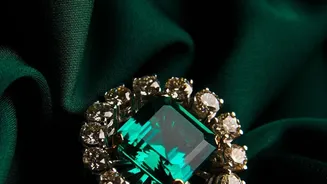
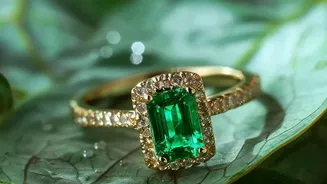
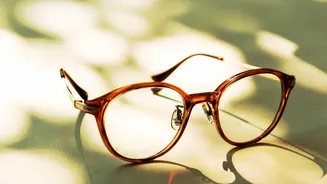
Known poetically as 'Astaneh-ye-Ferdaws' or the 'Gate of Paradise', these are not ordinary spectacles. The lenses are two perfectly matched, teardrop-shaped slices of pure emerald, weighing a combined 27 carats. They are one of two legendary pairs, the other
being the 'Halqeh-ye-Nur' or 'Halo of Light', which features lenses cut from a diamond. Both are relics from the height of the Mughal Empire, a period known for its staggering wealth and unparalleled artistic achievement. While their exact origin is a mystery, the sheer quality and size of the gems suggest they were commissioned by an emperor or a high-ranking prince. The current diamond-studded frames are a later addition from the 1890s, replacing the original nose-balancing design.
An Unthinkable Feat of Craftsmanship
The creation of the Gate of Paradise lenses was a monumental challenge. Experts believe the two emerald slices were carved from a single, flawless Colombian emerald originally weighing over 300 carats. Slicing such a precious stone into thin, transparent lenses without it shattering would have required almost superhuman skill with the tools available in the 17th century. The gem likely traveled from the Muzo mines of Colombia, across the Atlantic with Spanish conquistadors, before finding its way into the Mughal imperial treasury in India. This journey highlights a global network of trade and conquest, all culminating in an object of singular beauty. The feat was so extraordinary that no other comparable examples are known to exist.
More Than Meets the Eye
These spectacles were not designed for correcting vision. Instead, their purpose was deeply spiritual. In Islamic tradition, the colour green is heavily associated with paradise, salvation, and healing. Emeralds, in particular, were believed to have miraculous powers, including the ability to ward off evil and soothe the soul. For the wearer, looking through these emerald lenses was perhaps intended as a form of spiritual meditation—a way to get a glimpse of paradise on Earth and achieve enlightenment. This belief connected the physical world of imperial wealth with the metaphysical pursuit of the divine, turning a luxury object into a sacred tool.
A Legacy of Mystery and Grandeur
While there is no definitive proof, speculation has long linked the spectacles to Emperor Shah Jahan, the visionary behind the Taj Mahal. Legend tells that after the death of his beloved wife Mumtaz Mahal, the emperor wept so profusely that he used emeralds to soothe his aching eyes. Whether this story is true or not, the spectacles certainly belong to his era of magnificent artistic patronage. For centuries, the Gate of Paradise and its diamond counterpart remained in the collection of a princely family before being offered for the first time at a Sotheby's auction in 2021. Although they did not sell at the auction, their public appearance reignited fascination with these unique artifacts, which had been hidden from view for nearly half a century.