




The Once-in-a-Dozen-Years Flower
Neelakurinji, or Strobilanthes kunthiana, is not just any flower; it is a biological marvel. This shrub, native to the shola grasslands of the Western Ghats, lives for 12 years, grows, and then bursts into a mass flowering event before it dies, leaving
its seeds to start the cycle anew. This process is known as being monocarpic. For over a decade, the plant lies dormant, patiently gathering energy for its single, spectacular display. The name itself tells a story: in local languages, 'Neela' means blue and 'Kurinji' refers to the flower. In fact, the famous Nilgiri Hills, or 'Blue Mountains', are believed to have earned their name from the stunning blanket of blue these flowers create.
Why This 2026 Bloom is Special
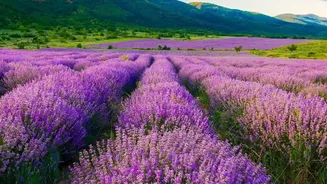
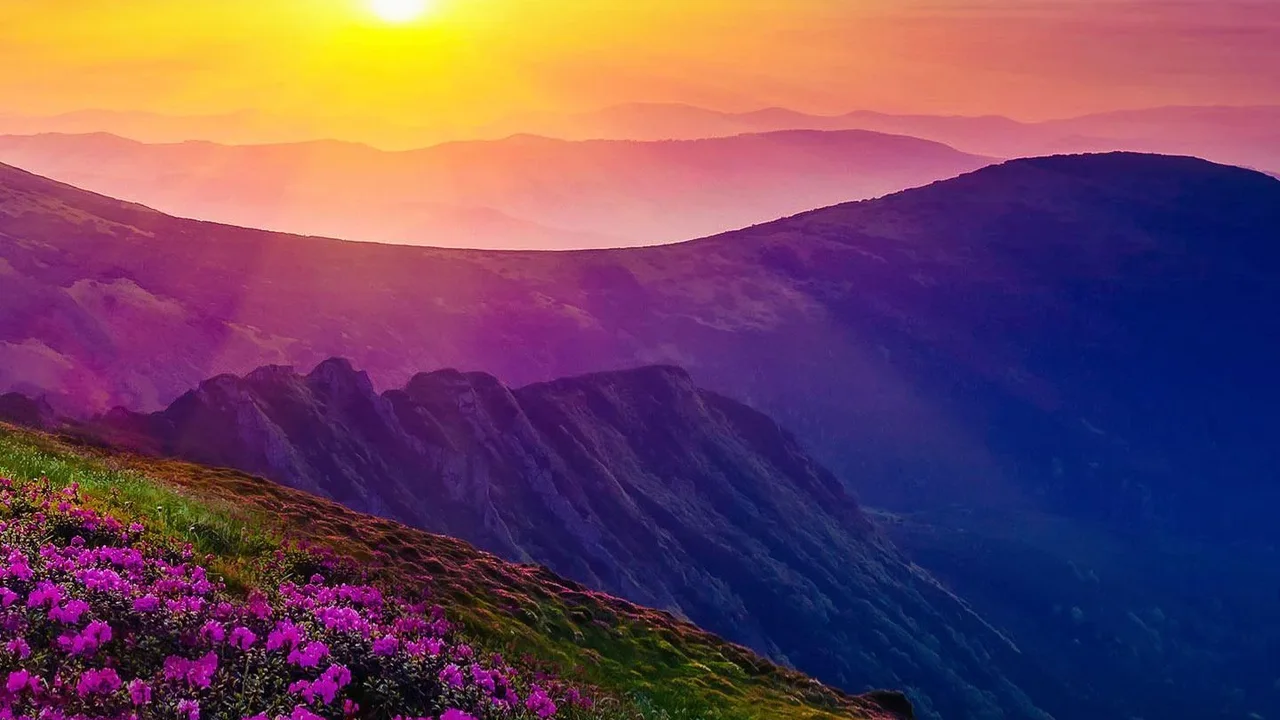
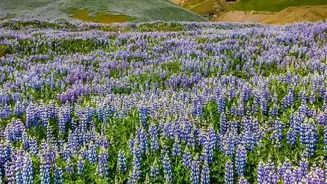
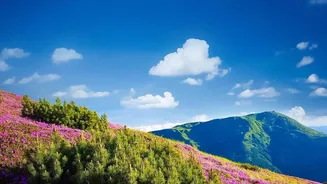
Many travellers associate the Neelakurinji bloom with the Eravikulam National Park, which saw its last major event in 2018 and is expected to bloom next in 2030. However, the Western Ghats host multiple populations of this plant, each on its own 12-year clock. The 2026 bloom is happening in a different, but equally stunning, area. This particular population last flowered in 2014 and is now carpeting the slopes of Chokramudi, Meesapulimala, and areas near Mattupetty. So while the famous park waits, nature is offering a breathtaking preview in other parts of Munnar, a rare chance to witness the spectacle four years ahead of the more publicised cycle.
A Flower Woven into Culture
For the local communities, Neelakurinji is more than just a beautiful sight; it is a cultural touchstone and a natural calendar. The indigenous Paliyan and Muthuvan tribes of the region historically used the 12-year blooming cycle to calculate their age and mark generations. The flower’s significance is ancient, even finding mention in classic Tamil Sangam literature, where it is often associated with love and the landscape of the mountains. The bloom is deeply integrated into local folklore and tradition, symbolising the rhythm of life and nature's enduring cycles.
The Ecological Heartbeat of the Hills
When Neelakurinji blooms, the entire ecosystem buzzes with life. The mass flowering provides a seasonal feast for a host of pollinators, attracting countless bees, butterflies, and other insects. This is vital for the region's biodiversity, supporting many other species in the shola grasslands. The event also leads to the production of 'Kurinjithen', a rare and highly prized honey known for its unique flavour and supposed medicinal properties, harvested from the nectar of these flowers. The health of the Neelakurinji bloom is considered an indicator of the health of the entire grassland ecosystem.
A Fragile and Threatened Wonder
Behind the beauty lies a story of vulnerability. In 2024, Strobilanthes kunthiana was officially assessed for the IUCN Red List and classified as a threatened species. Its fragile high-altitude grassland habitat is shrinking due to threats from invasive plant species like eucalyptus, illegal land conversion, and unregulated tourism. Recognizing its importance, authorities have established protections. The plant is listed under Schedule III of India's Wildlife (Protection) Act, making it illegal to uproot or damage it. Furthermore, the Kurinjimala Sanctuary in Idukki was specifically created to preserve one of its core habitats. These measures aim to ensure that the blue hills of Munnar continue to bloom for generations to come.