






A Vision for the Ghost of the Mountains
The administration of Ladakh has officially flagged off a new, regulated safari focused on one of the world's most elusive cats. Known as the 'ghost of the mountains', the snow leopard is the region's apex predator and a powerful indicator of the ecosystem's
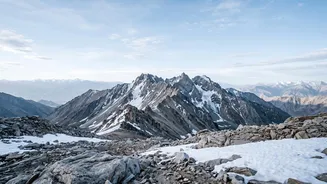
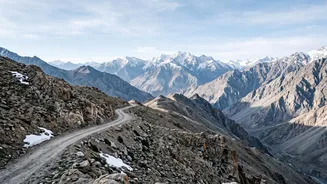
health. The safari, launched during Wildlife Week 2026, aims to provide a structured and responsible way for visitors to experience this unique wildlife while actively contributing to its preservation. Initially, a fleet of six specially designed, open-back vehicles will operate in known snow leopard hotspots like the Rumbak, Shang, and Ulley valleys, with plans to expand across other protected areas. This formal structure is designed to prevent illegal off-roading and minimize disturbance to the animals, a crucial step in protecting their fragile high-altitude habitat.
From Predator to Partner
For generations, the relationship between Ladakh's pastoral communities and the snow leopard has been fraught with conflict. The cats, preying on livestock, were often seen as a threat to livelihoods. This new initiative is built on a paradigm shift that has been developing for years, thanks to the work of conservation groups like the Snow Leopard Conservancy India Trust (SLC-IT). The core idea is to transform the snow leopard from a perceived pest into a valuable economic asset for local villagers. By directly linking the animal's presence to tourism revenue, the model incentivizes communities to become its primary protectors. The launch of the official safari formalizes this relationship, creating a structured system where conservation and community prosperity are intertwined.
How the Conservation Model Works
The safari is the latest evolution of a successful community-based tourism strategy. The foundation of this model is the Himalayan Homestay program, an award-winning initiative that allows tourists to stay with local families. This provides authentic cultural immersion for visitors and direct income for hosts. A key component of this program is that 10% of all homestay earnings go into a village conservation fund. This community-managed fund is then used for projects like offsetting livestock losses, predator-proofing corrals, planting trees, or even setting aside grazing-free areas for the snow leopard's natural prey, like the blue sheep and ibex. The new safari builds on this by employing trained local youth as guides and drivers, further deepening the economic benefits and fostering a sense of custodianship over the local environment.
More Than Just a Sighting
Unlike traditional safaris that might promise guaranteed sightings, the Ladakh Snow Leopard Safari is an immersive ecological experience. Success is not just measured by a glimpse of the cat but by the entire journey into its world, guided by people who possess generations of local knowledge. The focus is on responsible, low-impact tourism. Regulated routes, limited visitor numbers, and trained local guides ensure that the wildlife is not stressed. The initiative also aims to educate visitors about the broader ecosystem, which includes over 38 mammal species and 340 bird species. This approach ensures that tourism remains a force for good, supporting the delicate balance of the trans-Himalayan landscape rather than disrupting it.
A Blueprint for the Himalayas
With an estimated 477 of India's 718 snow leopards residing in Ladakh, the success of this model has national significance. If the formal safari proves successful in balancing economic growth with ecological integrity, it could serve as a powerful blueprint for other high-altitude regions in the Himalayas. The core principle—that conservation must involve and economically empower the people who share the habitat—is a universal one. As the Lieutenant Governor of Ladakh noted at the launch, the goal is to create a model where wildlife does not have to be protected at the cost of people, nor development at the cost of wildlife. It’s about creating an ecosystem where both can thrive together, turning conservation into a sustainable economic opportunity for the entire community.