


A New Map of Martian Weather
Scientists from the Physical Research Laboratory (PRL) in Ahmedabad have charted the complex temperature dynamics of the Martian surface, revealing a world with surprisingly active weather. Their study, using data from the Emirates Mars Mission's Hope
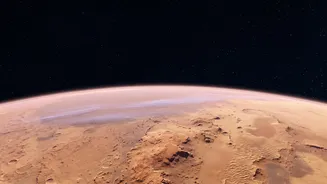
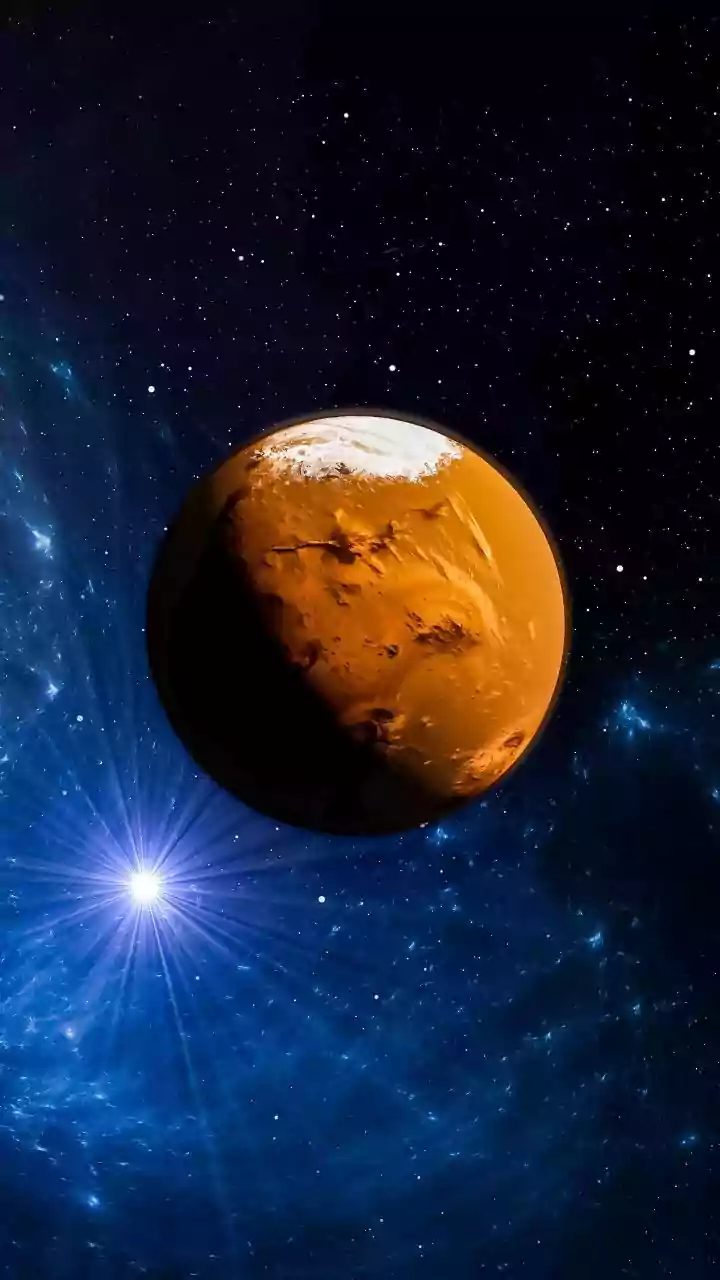
spacecraft, details dramatic temperature fluctuations and vast, wave-like thermal patterns rippling across the planet. These findings provide a fresh perspective on Mars, moving beyond the image of a static, frozen desert to one of a planet with a dynamic climate. The research focused on two of Mars' largest impact basins, Hellas and Argyre, to understand how its thin atmosphere and varied landscape interact to create its unique weather systems. The results paint a vivid picture of a planet where surface temperatures can swing wildly, influenced by everything from the time of day to the season and the very ground the thin air moves over.
The Eye in the Martian Sky
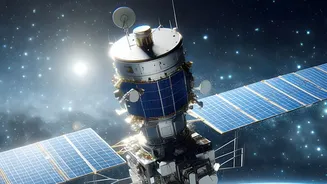
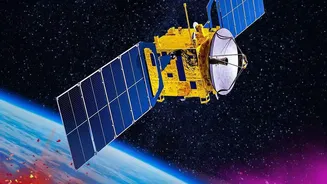
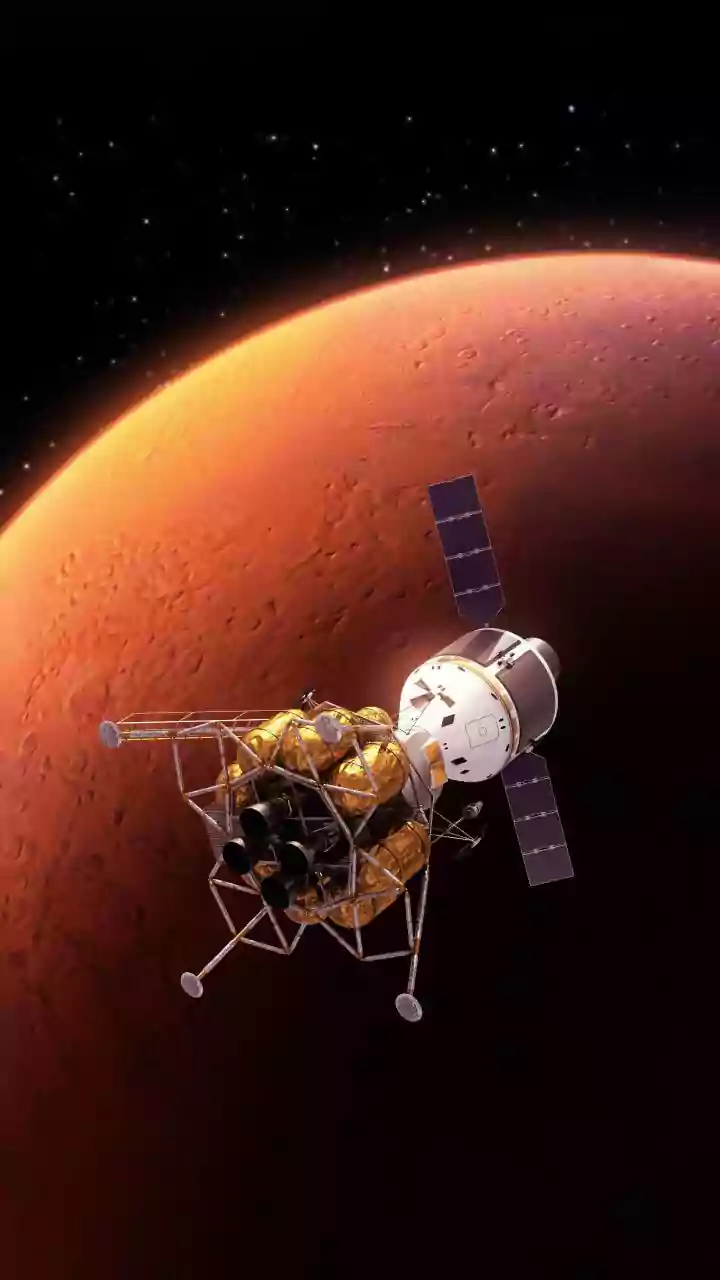
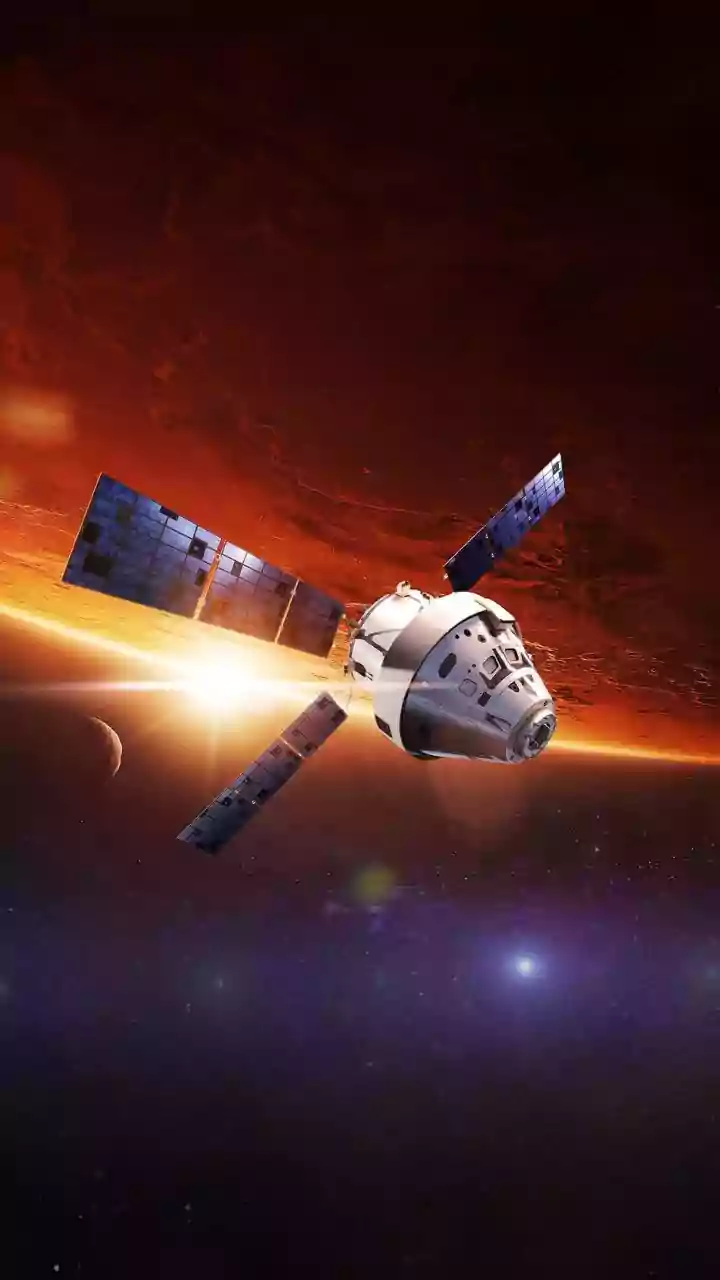
The key to this discovery was the Emirates Mars Infrared Spectrometer (EMIRS), one of three advanced instruments aboard the UAE's Hope probe. EMIRS is designed to measure infrared radiation, which allows scientists to create detailed heat maps of the planet's surface and lower atmosphere. Unlike previous missions that could only capture snapshots at certain times, the Hope probe's unique, high-altitude elliptical orbit allows it to observe the entire planet over the course of a Martian day. This provides a complete, global picture of how temperatures change from sunrise to sunset and across different seasons, something that has not been done with this level of accuracy before. By collecting this comprehensive dataset, the Hope mission gives scientists the information needed to understand the connections between the lower and upper atmosphere and how energy is distributed around the planet.
Ahmedabad to Mars: The Indian Contribution
At the heart of this new understanding are the scientists at PRL, a premier research institution in India. They meticulously analysed the observations sent back by the EMIRS instrument to decode the complex thermal behaviour. This work highlights a successful international collaboration, combining the technological prowess of the UAE's first interplanetary mission with the analytical expertise of Indian researchers. The PRL team's findings reveal not just extreme temperature shifts—ranging from a relatively balmy 27°C in the summer to a frigid -123°C—but also the presence of large-scale zonal waves. These temperature waves move across the planet and act as an indirect sign of how Mars' thin atmosphere circulates, much like watching ripples on a pond can tell you about unseen currents beneath the surface. This achievement places Indian scientists at the forefront of planetary research, contributing significantly to the global effort to unravel the mysteries of Mars.
Unlocking the Red Planet's Climate
Mapping Martian heat patterns is about more than just checking the weather on another planet. It's fundamental to understanding Mars' past, present, and future. The extreme temperature swings observed by the PRL team are a direct consequence of Mars' incredibly thin atmosphere, which is about 100 times less dense than Earth's and cannot effectively trap or redistribute heat. This leads to rapid heating during the day and equally rapid cooling at night. Understanding these dynamics helps scientists model the Martian climate, which is crucial for learning why Mars lost its once-thicker atmosphere and liquid water billions of years ago. Furthermore, this detailed weather data is vital for planning future missions, both robotic and human. Knowing the precise environmental conditions, including temperature extremes and atmospheric movements, is essential for designing equipment that can survive and operate effectively on the Martian surface.