



The Silence on the Tracks
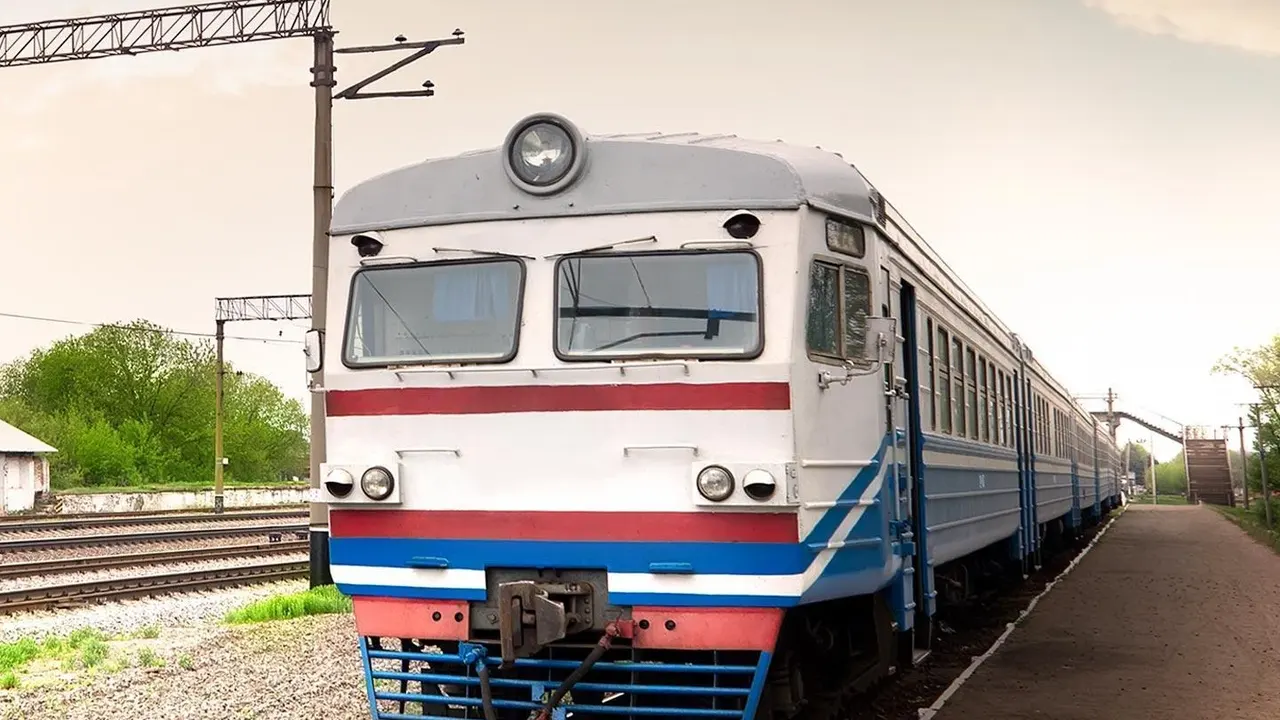
As of August 2026, the Attari Sham Singh Railway Station is mostly silent. The rhythmic chug of the Samjhauta Express, the 'Agreement Express' that once connected Delhi to Lahore, has been absent for years. Service was suspended in August 2019 following
heightened diplomatic tensions between India and Pakistan. Today, the station primarily sees some goods train activity, its passenger halls and customs counters largely deserted. This quietude is the current status, but it's a chapter in a much longer, more complex story of a railway line that has always served as a barometer for the relationship between the two nations. For entry, the station maintains strict security protocols, requiring a passport and visa, a unique feature for an Indian railway station.
A Station Born of Partition
The station's origins predate Partition, with the Amritsar-Lahore rail line being completed in the 1860s. However, its modern identity was forged in the crucible of 1947. Overnight, Attari transformed from a simple stop into the first railway station on Indian soil for those crossing from the newly created Pakistan. It became a gateway, witnessing the horrors of Partition, including the infamous 'ghost trains' that carried victims of the communal violence. In the decades that followed, the desire for connection led to the Simla Agreement of 1972, from which the Samjhauta Express was born in 1976, intended to reunite families and foster goodwill. Attari was its crucial Indian checkpoint, a place of hope and reunion.
The Stop-Start Journey of the Peace Train
The history of the Samjhauta Express is one of constant interruption. Its journey has been a direct reflection of the volatile political climate between India and Pakistan. The service was suspended by India after the 2001 Parliament attack and again briefly in 2019 after the Pulwama terror attack. Pakistan has also halted the service from its side on multiple occasions, most decisively in August 2019, when it permanently suspended operations in protest of changes in Jammu and Kashmir. Each suspension turned Attari from a bustling transit point into a dormant symbol of broken ties. The train, which ran twice a week, would see passengers from both nations change crews at the border, a unique operational agreement that is now on indefinite hold.
More Than a Passenger Line
While the Samjhauta Express is the most famous train to pass through Attari, the station has also been a conduit for trade. The rail line serves as a key route for goods moving between the two countries via the Integrated Check Post (ICP). However, the frequent suspensions of the passenger train have often coincided with disruptions in trade, affecting local economies and the livelihoods of traders on both sides of the border. The current halt in services is part of a broader suspension of bilateral trade that was also announced by Pakistan in 2019. This has left the railway infrastructure at Attari underutilized, a poignant reminder of the economic opportunities lost to political discord.
A Living Museum of History
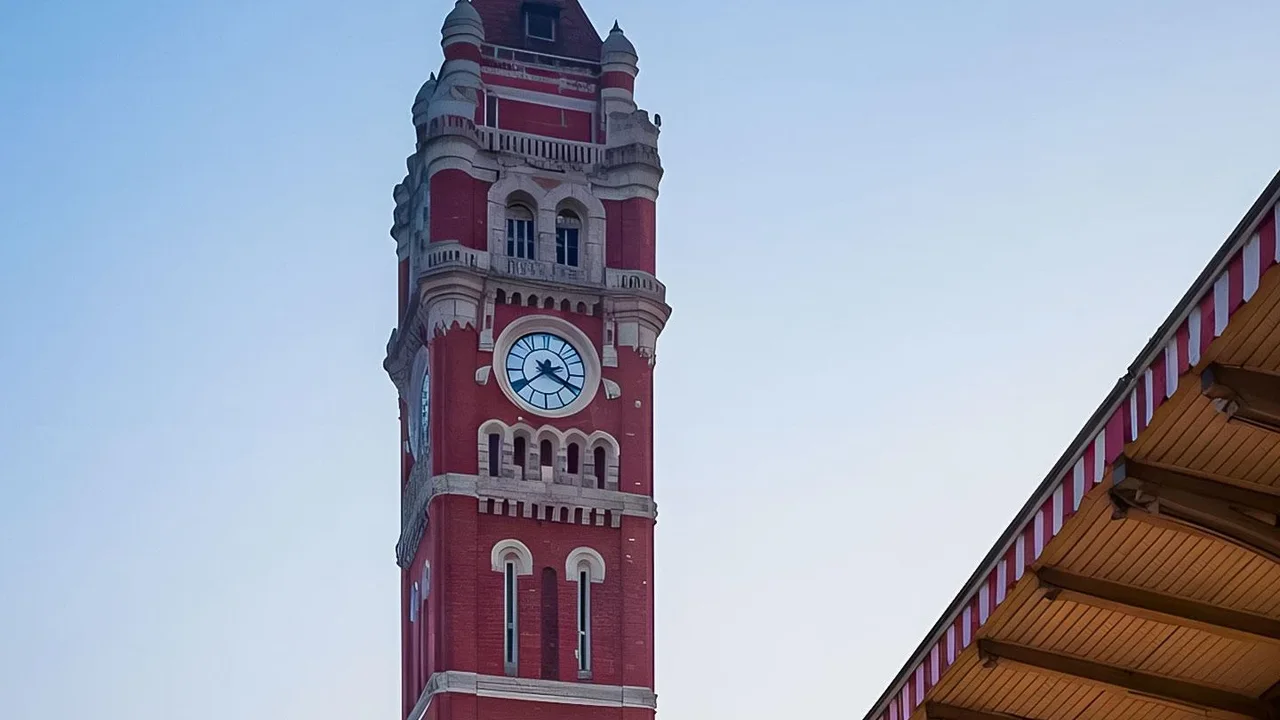
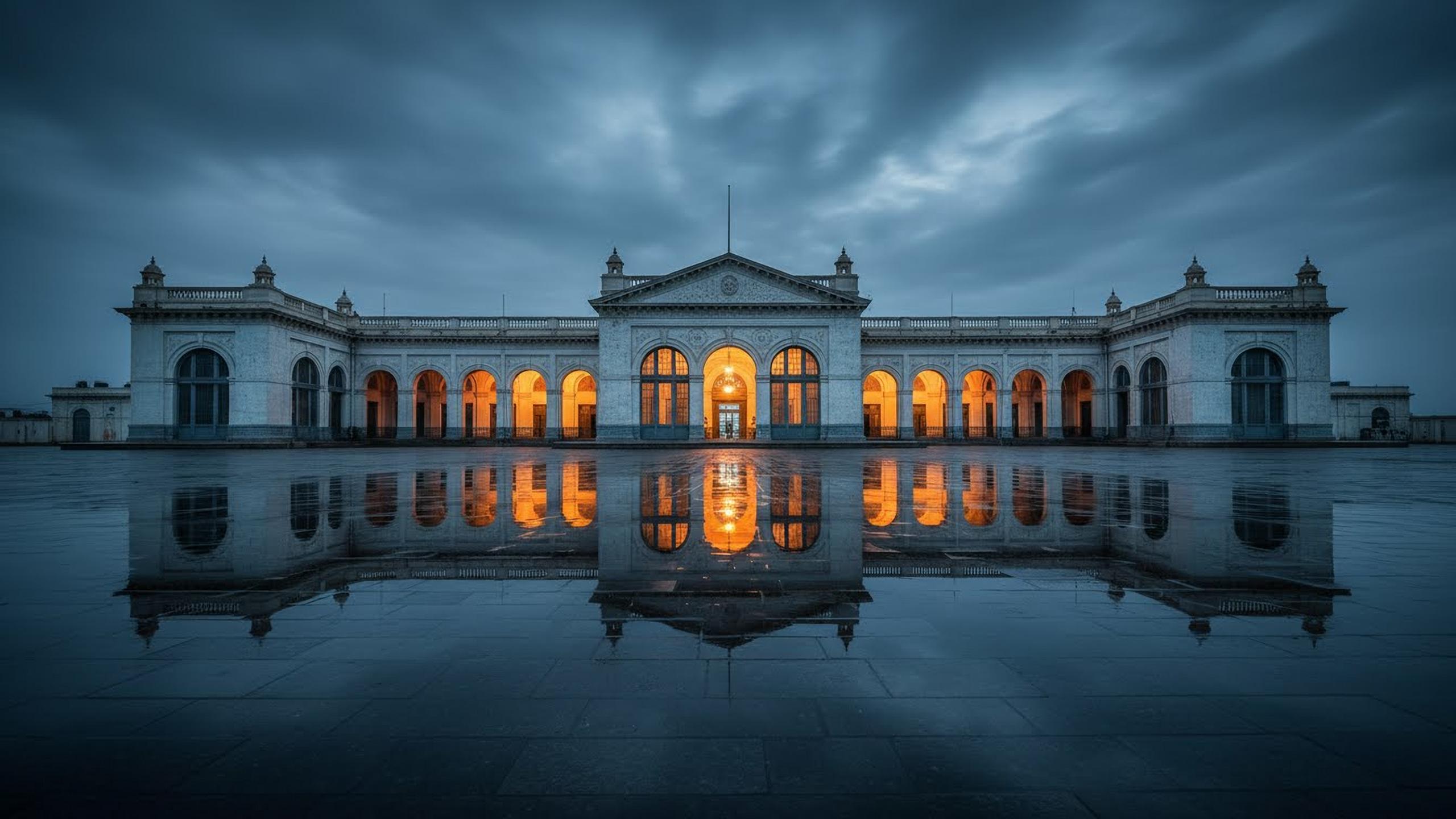
For history readers, Attari is more than a station; it's a living museum. Its architecture, a blend of Victorian and Indo-Islamic styles, harks back to a different era. The station has been renamed Attari Sham Singh, honouring a renowned general from the Sikh Empire. Its tracks, platforms, and now-locked gates to Pakistan tell the story of a shared past and a divided present. The silence at Attari today isn't just an absence of noise; it's the sound of history holding its breath. It stands as a powerful symbol of the deep-rooted desire for connection that persists, even when the political will falters. The station remains a focal point for anyone trying to understand the human dimension of the India-Pakistan relationship, a place where family ties, cultural exchange, and diplomatic tensions all converge.