






An Economic Tidal Wave
For the local economy, the Neelakurinji bloom is nothing short of a festival. The massive influx of tourists creates a supercharged economic season for everyone. Ahead of the 2018 bloom, tourism officials anticipated over 800,000 visitors, a nearly 80 percent
jump from the previous year. Hotels, resorts, homestays, and restaurants operate at full capacity, with bookings often made months in advance. Taxi drivers, local guides, and street vendors all see a dramatic surge in business. This periodic boom provides a vital injection of revenue into a region heavily dependent on tourism. The honey collected during this season, known as Kurinjithen, is also a prized local product, believed by some local communities to have medicinal properties. However, this windfall is not without its complications, as the sudden demand can lead to price hikes and a scramble for resources.
The Strain on Infrastructure
The sheer volume of people descending on Munnar during the bloom season puts immense pressure on the hill station's infrastructure. Traffic congestion becomes a major issue, with long snarls choking the narrow mountain roads. In previous years, authorities have had to implement special measures like using public transport to ferry tourists to viewing sites to manage the chaos. Waste management is another significant challenge, as the sudden spike in population generates tonnes of extra garbage, threatening the pristine environment. Accommodation becomes scarce and expensive, and the demand for basic utilities like water and electricity skyrockets. These logistical hurdles demonstrate the fine line Munnar walks between embracing a tourism boom and being overwhelmed by its success.
An Ecological Balancing Act
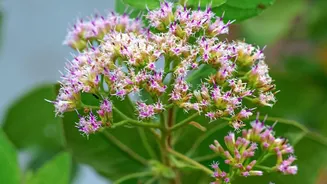
The Neelakurinji (Strobilanthes kunthiana) is not just a pretty flower; it's an indicator species for the health of the fragile shola-grassland ecosystem in the Western Ghats. Unregulated tourism poses a direct threat to its survival. The influx of visitors can lead to trampling of the delicate plants, which flower only once in their 12-year life cycle before dying. In response to incidents of people plucking the protected flowers, the Forest Department has warned of legal action, as the plant is listed under Schedule III of the Wildlife (Protection) Act. Conservation efforts are paramount, leading to the creation of protected areas like the Kurinjimala Sanctuary. Authorities now focus on promoting responsible tourism by creating designated paths, restricting visitor numbers in sensitive areas like Eravikulam National Park, and banning plastics.
Lessons Learned and Future Blooms
It's important to note that not all Neelakurinji populations flower at the same time. While the most famous bloom at Eravikulam National Park occurred in 2018 and is next expected in 2030, other populations follow different cycles. For instance, a significant bloom is occurring in 2026 in the Chokramudi and Mattupetty areas. The devastating Kerala floods of 2018, which coincided with the last major bloom, hampered tourist arrivals and damaged some of the flowering areas, teaching officials tough lessons about disaster preparedness. Today, there is a concerted effort by environmental bodies and government agencies to create long-term conservation plans. These plans focus on habitat restoration, managing invasive species, and ensuring that future blooms can be celebrated without causing irreparable harm to the ecosystem that creates them.