






The Core Theme: A People-First Approach
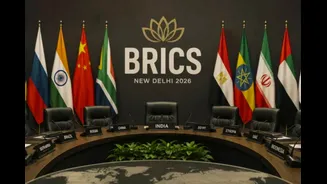
India's chairship for 2026 is anchored by the theme “Building for Resilience, Innovation, Cooperation and Sustainability”. This framework is an extension of the “Humanity First” approach that Prime Minister Narendra Modi articulated at the 2025 Rio Summit,
emphasizing a people-centric vision for the bloc's activities. This isn't just diplomatic language; it represents a strategic push to move BRICS beyond political declarations and toward practical outcomes that deliver tangible benefits to the citizens of its member nations. The agenda aims to tackle everything from economic stability and digital growth to climate action, all through the lens of improving human welfare.
Pillar 1: Building Resilience
A primary focus for India is strengthening the resilience of BRICS nations against a variety of global shocks. The stated priorities include bolstering institutional capacity in critical sectors like agriculture, health, and energy to better withstand geopolitical uncertainties, supply chain disruptions, and climate-related risks. This pillar is about making the economies and societies of member countries more robust and adaptable. The goal is to create systems that can absorb shocks collectively, ensuring that development remains inclusive and stable even in a turbulent world.
Pillar 2: Driving Innovation
Technology and innovation form the second key pillar of India's agenda. New Delhi is advocating for greater cooperation in emerging technologies, including artificial intelligence, fintech, and digital public infrastructure. Drawing from its own success with platforms like Aadhaar and UPI, India has proposed a BRICS Platform for Digital Public Goods, which would serve as a repository of open-source tech solutions to help achieve sustainable development goals. Further proposals include a BRICS Incubator Network and a Startup Innovation Fund to foster a broader ecosystem for new enterprises across member states. The focus is on using technology not for its own sake, but as a tool for inclusive growth and improved service delivery.
Pillar 3: Deepening Cooperation
The third pillar, cooperation, is aimed at deepening multilateral engagement and ensuring BRICS delivers concrete results. This includes a push for reforming global governance institutions like the UN, WTO, and IMF to give developing countries a more representative voice. On the economic front, India is pushing for more balanced trade among members, greater integration of services, and improved access to finance for small and medium-sized enterprises (MSMEs). This practical, outcome-oriented approach seeks to translate high-level policy coordination into real-world benefits for trade, investment, and development finance.
Pillar 4: Ensuring Sustainability
Sustainability is the final cornerstone of India's vision, aiming to align economic growth with environmental responsibility. The agenda calls for accelerating collective efforts on climate action, green finance, and clean energy transitions. India is expected to propose a BRICS Green Economy Framework, a structured mechanism to combine the strengths of individual members into a collective force for sustainable development. This reflects a commitment to addressing climate change while being mindful of the unique national circumstances and development priorities of each BRICS member.
Navigating a Complex Bloc
Hosting the summit in New Delhi, India is positioning itself as a leading voice of the Global South. However, the chairship comes with challenges. India must navigate a complex balancing act within the expanded 11-member group, which now includes countries with conflicting interests like Iran and the UAE. A key test will be forging consensus on contentious global issues while steering the bloc back towards its original, development-focused agenda. India's strategy appears to be one of multi-alignment—resisting efforts to turn BRICS into an anti-Western platform while leveraging it to push for a more inclusive and equitable global order.