


A Tale of Two Blooms
Many associate Munnar’s Neelakurinji with a 12-year cycle, with the last major event in 2018 pointing to a next one in 2030. While that is true for the famous flowers inside Eravikulam National Park, the 2026 bloom is no mistake. The Western Ghats are
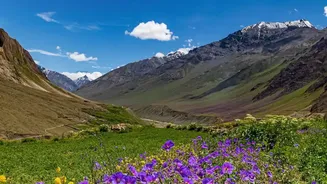
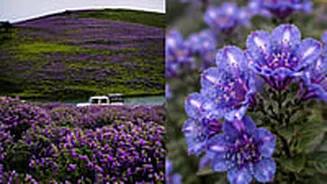
home to different populations of the Strobilanthes kunthiana shrub, and not all of them operate on the same clock. The flowers currently carpeting the slopes of Chokramudi, Korandakadu, and the hills around Mattupetty are a distinct population that last flowered in 2014, making 2026 their time to shine. This makes the current season a unique opportunity to witness the phenomenon, a bonus spectacle separate from the more widely known Eravikulam cycle.
The Science of a Synchronised Spectacle
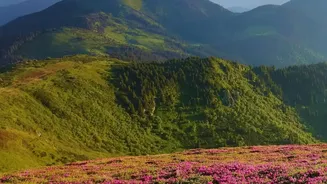
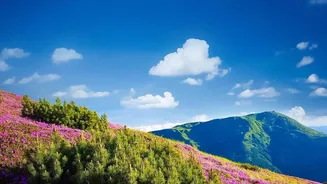
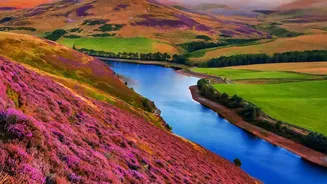
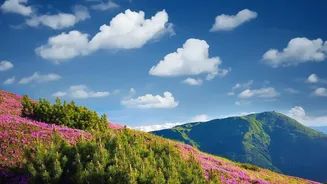
Neelakurinji, whose name means 'blue flower' in the local language, is a 'plietesial' plant. This means it has a long cycle of vegetative growth, flowers gregariously in a synchronised burst, produces seeds, and then the entire population dies. This mass flowering is believed to be an evolutionary survival strategy, overwhelming seed predators with a sudden abundance and ensuring the next generation can take root. For a few short months, from roughly August to October, the otherwise green grasslands are transformed into a sea of purplish-blue, creating one of India’s most breathtaking natural events. This year’s bloom is expected to peak through September and October, after the monsoon rains have subsided.
Why This Bloom Is an Ecological Bellwether
Beyond its visual appeal, the Neelakurinji bloom is a critical ecological event. The sudden explosion of nectar provides a feast for pollinators, especially endemic species of honeybees. The honey produced from these flowers, known as Kurinji honey, is a rare delicacy valued for its unique properties. The plant's dense root system also plays a vital role in the fragile shola-grassland ecosystem, binding the soil and preventing erosion on the steep slopes. However, this delicate balance is under threat. The species is now classified as a threatened one, facing pressure from habitat fragmentation due to agriculture, infrastructure expansion, and the spread of invasive plant species. The mass death of the plants post-flowering also leaves behind a large amount of dry, combustible material, increasing the risk of forest fires that can destroy the next generation of seeds.
The Challenge: Learning from the Past
The “why it matters now” question finds its most urgent answer in the impact of tourism. The 2018 bloom drew an overwhelming number of visitors to Munnar, leading to significant challenges, including traffic gridlock, plastic pollution, and the trampling of the delicate flowering plants and surrounding grasslands. For the 2026 season, authorities are trying to apply these lessons. Plans are in place to manage the tourist influx, with designated parking areas in Munnar town and special shuttle buses to ferry visitors to the viewing points near Devikulam and Chokramudi. Visitor numbers are being capped in some sensitive zones, and officials have issued strict warnings against plucking or destroying the flowers, with penalties for offenders. This bloom is a test case for whether such a large-scale natural event can be managed sustainably.
How to Be a Responsible Visitor
For those planning to witness this rare event, a mindful approach is essential. The first rule is to book everything—accommodation and transport—well in advance, as the region expects a heavy rush. When visiting the sites, always stay on the marked trails and follow the instructions of guides and forest officials. Plucking the flowers is strictly prohibited; it not only ruins the experience for others but also disrupts the plant's crucial seeding process for the next cycle, which in this case won't occur until 2038. Practice a 'leave no trace' policy by carrying all your waste back with you. The goal is to admire the spectacle without leaving a negative footprint, ensuring these blue hills can return for generations to come.