
The Fudgy vs. Cakey Divide
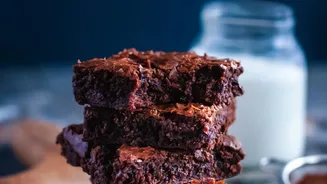
Before we can understand why the skewer test fails, we have to appreciate that not all brownies are created equal. The brownie world is split into two main camps: fudgy and cakey. The difference comes down to ingredient ratios. Cakey brownies have a higher
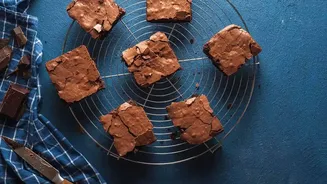
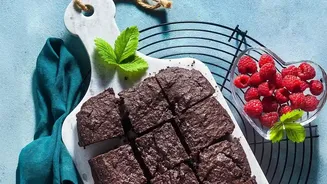
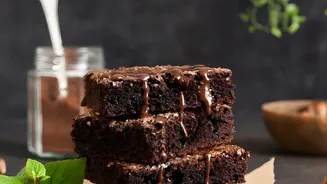
proportion of flour and may contain a leavening agent like baking powder. This creates a lighter, more open crumb, similar to a classic chocolate cake. Fudgy brownies, on the other hand, are all about density and moisture. They feature a higher ratio of fat—typically butter and chocolate—to flour. This higher fat content inhibits gluten development, resulting in a richer, denser, and more decadent texture. This fundamental difference in structure is precisely why a one-size-fits-all test for doneness simply doesn’t work.
Why a Clean Skewer Means It's Too Late
When you insert a skewer into a cakey brownie and it comes out clean, it means the starches and eggs have fully set. The structure is firm, and the moisture has been cooked out to create a light, springy crumb. If a skewer comes out clean from a fudgy brownie, however, it’s a sign that you’ve gone too far. That clean skewer indicates the brownie has overbaked, losing the very moisture that makes it fudgy and pushing it into dry, cake-like territory. The goal for a fudgy brownie is a soft, slightly underdone centre that will finish cooking from residual heat after it’s removed from the oven. Waiting for a completely clean tester guarantees you’ll miss that perfect window.
The Right Way to Test for Doneness
So, how can you tell when a fudgy brownie is perfectly baked? It’s a multi-sensory process. First, look at the edges. They should appear dry and just start pulling away from the sides of the pan. The surface will have a dull, matte finish, perhaps with a characteristic crackly top, but the centre should still look soft. Gently shake the pan; the centre should have a slight wobble, but it shouldn't look like liquid batter. Now for the skewer test, with a twist. Instead of the centre, insert a toothpick or skewer about halfway between the edge and the middle. When you pull it out, you don’t want it to be clean, nor do you want it covered in wet, raw batter. The sweet spot is when the skewer comes out with a few moist, sticky crumbs attached. That's the sign of a brownie that is structurally set but still beautifully moist inside.
The Crucial Role of Cooling
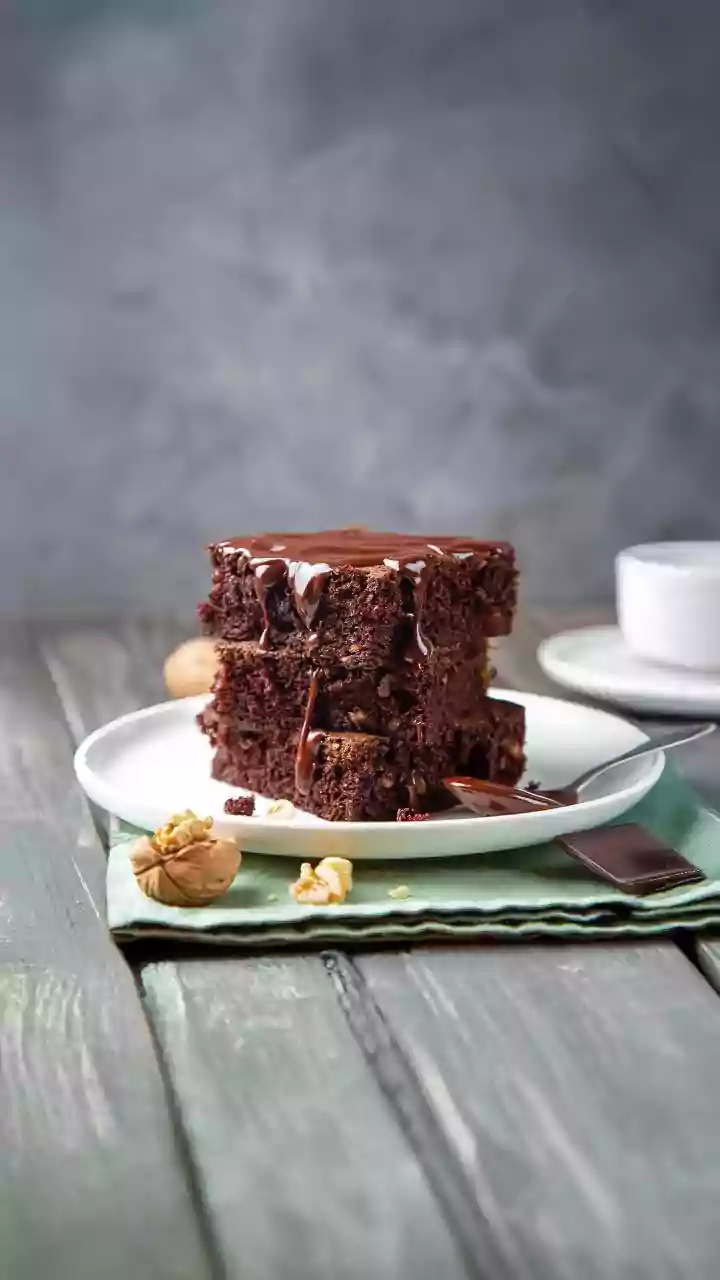
Perhaps the most overlooked step in achieving brownie perfection is patience. Brownies perform a final magic trick after they leave the oven, a process known as carryover cooking. The residual heat trapped in the pan continues to bake the centre, allowing it to set from a slightly wobbly, underdone state into the dense, fudgy texture you crave. The huge amount of butter and chocolate, which are liquid when hot, need time to cool and solidify to give the brownie its structure. Cutting into a pan of hot brownies is a surefire way to end up with a gooey, unstable mess. For the cleanest slices and the best texture, you must let the brownies cool completely in the pan, a process that can take a few hours. This cooling period isn’t just a suggestion; it's an essential part of the recipe.