


What is a Pachadi?
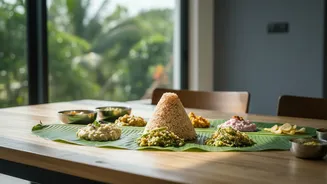
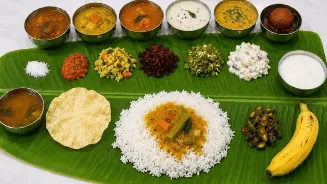
A pachadi is a traditional South Indian side dish, often described as a fresh pickle or a raita-style preparation. It's a key component of the Onam Sadya, celebrated for its ability to provide a cooling contrast to spicier dishes. Typically made with
a base of yogurt (curd) and coconut, pachadis can feature a variety of fruits or vegetables, creating a beautiful medley of tastes. The name itself, derived from a word meaning 'pounded', points to its origins as a freshly prepared accompaniment designed to balance the six essential flavours of a complete meal. These easy recipes show you how to bring this essential dish to your festive table with minimal fuss.
Sweet & Tangy Pineapple Pachadi
This is arguably one of the most beloved pachadis, striking a perfect balance between the sweetness of pineapple and the tanginess of yogurt. It’s a guaranteed hit at any Sadya. To begin, cook one cup of finely chopped pineapple with a pinch of turmeric powder, salt, and a teaspoon of jaggery or sugar until soft. While it cooks, prepare the masala paste. Grind half a cup of grated coconut with one or two green chillies, half a teaspoon of cumin seeds, and half a teaspoon of mustard seeds into a very smooth paste, adding a little water as needed. Once the pineapple is soft, add the ground coconut paste and cook for a few minutes until the raw smell disappears. Remove the pan from the heat and let it cool down slightly. Whisk in half a cup of smooth curd, ensuring it doesn't curdle. For the final touch, prepare a tempering (tadka) by heating coconut oil and spluttering mustard seeds, a dry red chilli, and a few curry leaves. Pour this over the pachadi for a festive finish.
Vibrant Beetroot Pachadi
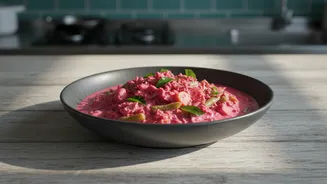
Known for its stunning pink hue and earthy sweetness, Beetroot Pachadi is both a visual and culinary delight. It's also incredibly simple to prepare. Start by peeling and grating one large beetroot (about two cups). Heat a little coconut oil in a pan and sauté the grated beetroot with a pinch of salt for a few minutes until it’s cooked and soft. While the beetroot cools, grind half a cup of grated coconut, one green chilli, and half a teaspoon of cumin seeds to a coarse paste. Some recipes also include a small piece of ginger or a few mustard seeds in the grind for extra flavour. Once the beetroot has cooled down completely, mix in the ground coconut paste. Then, add one cup of well-beaten, thick curd and mix until everything is combined into a creamy, pink pachadi. Adding the curd to hot beetroot can cause it to split, so allowing it to cool is a crucial step. Finish with a tempering of mustard seeds, urad dal, a broken dry red chilli, and curry leaves sizzled in coconut oil.
Crispy Vendakka (Okra) Pachadi
For those who love a bit of texture, Vendakka Pachadi is the perfect choice. The key is to make the okra (bhindi) crispy so it doesn't become slimy in the yogurt base. Wash about 15 tender okras and wipe them completely dry before slicing them into thin rounds. Heat a few tablespoons of oil in a pan and shallow fry the okra slices on low to medium heat until they are golden brown and crisp. This can take 10-15 minutes. Once crispy, drain them on a paper towel. While the okra fries, you can prepare the base. Some simpler versions just mix the fried okra into seasoned curd. For a more traditional Sadya style, grind a paste of grated coconut and green chillies. In a bowl, whisk one cup of thick curd until smooth, then mix in the coconut paste (if using) and salt. Add the crispy fried okra to the curd mixture just before serving to maintain its crunch. Garnish with a tempering of mustard seeds, curry leaves, and a broken red chilli.