






The AI Boom's Unexpected Beneficiary
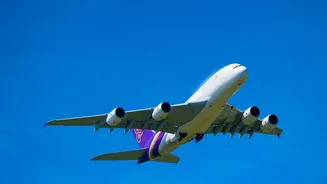
While the technology sector has been fixated on the race to build more powerful AI, an industry once seen as purely logistical is emerging as a critical enabler and prime beneficiary: air cargo. The global demand for AI infrastructure has become so intense
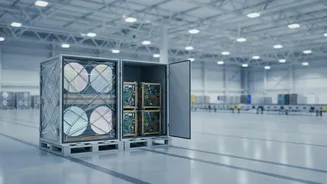
that it is single-handedly reshaping air freight patterns. Traditionally a slack period, the summer of 2026 has seen freight volumes and rates remain surprisingly resilient, largely thanks to a surge in shipments of AI-related hardware. This isn't your typical cargo. Instead of low-price, high-volume goods, this cycle is defined by small, incredibly valuable components like GPUs, high-bandwidth memory (HBM), and sophisticated server racks. The demand has been described as an 'explosion', with logistics firms reporting that AI-related orders in the first half of 2026 have already surpassed the entirety of the previous year.
Why This Tech Needs to Fly
The decision to ship these components by air, despite costs that can be triple that of ocean freight, is a matter of simple economics and fierce competition. The items are not only high-value—with core components like GPUs and HBM costing thousands of dollars apiece—but also highly sensitive to damage and delays. In the global race to build out AI data centres, speed to market is paramount. A delay of weeks on a container ship could mean losing a competitive edge, a cost far greater than the premium paid for air transport. Consequently, key AI components are almost exclusively moved by air. An estimated 68% of data storage units and 56% of servers are traded via air cargo. This has created a sustained surge in freight volumes from manufacturing hubs in Asia, particularly Taiwan, which produces the majority of the world's advanced chips.
A New Revenue Model for Airlines
This high-tech boom is fundamentally altering the revenue logic for the air cargo industry. For years, growth was driven by general goods and the rise of e-commerce, where success was a game of scale and volume. Now, a new, high-margin niche has emerged. The AI cargo cycle is less about filling planes to capacity and more about providing specialized, secure, and rapid transport for mission-critical shipments. This shift is providing a crucial lifeline for major airlines, helping to offset challenges like rising fuel costs and geopolitical instability that have impacted passenger-side profitability. Global air cargo demand saw a 7% year-over-year increase in June 2026, a growth almost entirely attributed to AI and semiconductor shipments, which have more than compensated for a recent cooling in e-commerce traffic.
The Ripple Effect on Global Supply Chains
The voracious appetite of the AI industry for advanced chips is creating ripple effects across the global economy. With semiconductor manufacturers redirecting production capacity to meet the lucrative demand for high-end AI components, shortages of more conventional memory chips are emerging. This is creating a supply-constrained environment for other major industries, particularly automotive manufacturing, where lead times for essential components are stretching out, echoing the chip shortages seen earlier in the decade. This intense demand from a single sector is squeezing air cargo capacity out of key Asian markets, displacing general cargo and forcing companies in other sectors to contend with higher rates and longer booking times.
The India Opportunity
This global trend holds significant implications for India. As the country ramps up its own capabilities in semiconductor manufacturing and AI development, it is poised to become an increasingly important node in this high-value logistics network. Projections show India's air cargo market is set to grow significantly, driven by high-value exports like pharmaceuticals and electronics. The Indian government's National Air Cargo Policy aims to establish the country as a global transshipment hub. Airports like Ahmedabad are already seeing substantial growth in international freight, driven by time-sensitive, high-value shipments. As Indian firms become more integrated into the global AI supply chain, from design to assembly, the demand for sophisticated, rapid logistics to move these valuable components will only grow, presenting a major opportunity for the domestic air cargo industry.