



Decoding the Visitor Boom
Recent figures reveal a significant surge in tourism for Phu Quoc, with international visitor numbers climbing dramatically. While the headline figure of 1.5 million represents a major milestone, data from the first half of 2026 shows the momentum is not
slowing down. In the first five months of the year alone, the island welcomed over 1.17 million international visitors. This represents a staggering increase compared to previous years, positioning the island as a key driver of Vietnam's tourism growth. In January 2026, Phu Quoc International Airport was already handling a record number of international flights, sometimes reaching 47 in a single day, a more than 40% increase in flight volume year-over-year. This influx isn't just a flash in the pan; it's the result of a concerted effort to transform the island into a world-class travel destination.
The Visa-Free Advantage
A huge part of Phu Quoc's appeal lies in its unique accessibility. It is the only destination in Vietnam where international tourists of all nationalities can enter and stay for up to 30 days without a visa. This policy, in effect since 2020, removes a significant barrier to entry that exists for mainland Vietnam, making a spontaneous or planned trip to the island incredibly straightforward for global travellers. To qualify, visitors must arrive directly on the island from an international destination, by air or by sea, and cannot travel to other parts of Vietnam without a separate visa. This open-door policy has given Phu Quoc a major competitive edge over other regional destinations, attracting a diverse range of visitors from markets like South Korea, China, Thailand, and beyond.
More Than Just Beaches
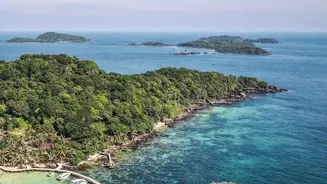
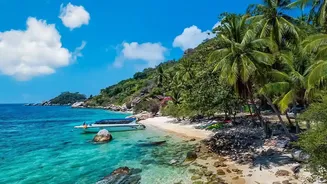
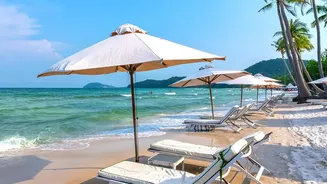
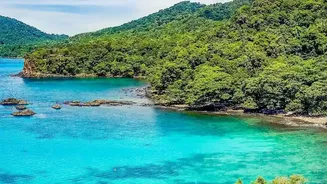
While Phu Quoc is famous for its idyllic beaches like Bai Sao and Bai Kem, often lauded as some of the world's most beautiful, its appeal now extends far beyond its coastline. The island has seen massive investment in world-class infrastructure and attractions. This includes the Sun World Hon Thom Nature Park, accessible via one of the world's longest over-sea cable cars, which offers stunning panoramic views. Major developers have built luxury resorts, golf courses, and sprawling entertainment complexes. Visitors can explore everything from a safari park to vibrant night markets, enjoy spectacular nightly firework shows, and delve into the local culture by visiting fish sauce factories and pepper plantations. This diverse mix of offerings ensures that the island caters to luxury travellers, families, and adventurers alike.
The Challenges of Paradise
This rapid growth, however, does not come without its difficulties. The very development that attracts millions is also placing immense pressure on the island's natural environment and infrastructure. Fifteen years ago, Phu Quoc was a relatively untouched paradise, but the pace of construction has raised serious concerns about long-term sustainability. Issues such as waste management, protecting marine ecosystems, and ensuring that development is well-regulated are now critical. While some high-end resorts implement their own strong environmental standards, a broader, island-wide strategy is needed to balance economic growth with environmental preservation. Striking this balance will be the key to ensuring Phu Quoc's success is not a 'boom and bust' story, but a sustainable one.