








A New Altitude of Wealth
Private aviation is experiencing a significant tailwind, and the thrust is coming from the tech sector. Recent data from the first half of 2026 shows a notable increase in business jet flights, with worldwide activity up 4% year-over-year and 36% higher
than pre-pandemic levels. The United States, in particular, is driving this growth, accounting for nearly 70% of global flights. This surge isn’t just a sign of economic recovery; it’s a direct reflection of immense liquidity events, primarily from the recent historic initial public offering (IPO) of SpaceX and the ongoing boom in AI. This has created a new class of ultra-high-net-worth individuals, many of whom are entering the private aviation market for the first time.
The AI and SpaceX Effect
The money flowing from AI and deep-tech companies is creating a distinct shift in the private jet market. Aviation lawyers and charter companies report a flood of new clients from the tech industry, with some firms seeing business jump by 25% in early 2026. Following the landmark $85.7 billion SpaceX IPO, which created thousands of new millionaires, inquiries from first-time private flyers spiked. This new cohort of buyers, often younger than the traditional private jet owner, is increasingly bypassing fractional ownership and going straight to purchasing multimillion-dollar aircraft. Flight data confirms the trend, with business jet traffic near tech hubs like San Francisco and SpaceX’s Texas launch site seeing dramatic increases.
More Than a Status Symbol
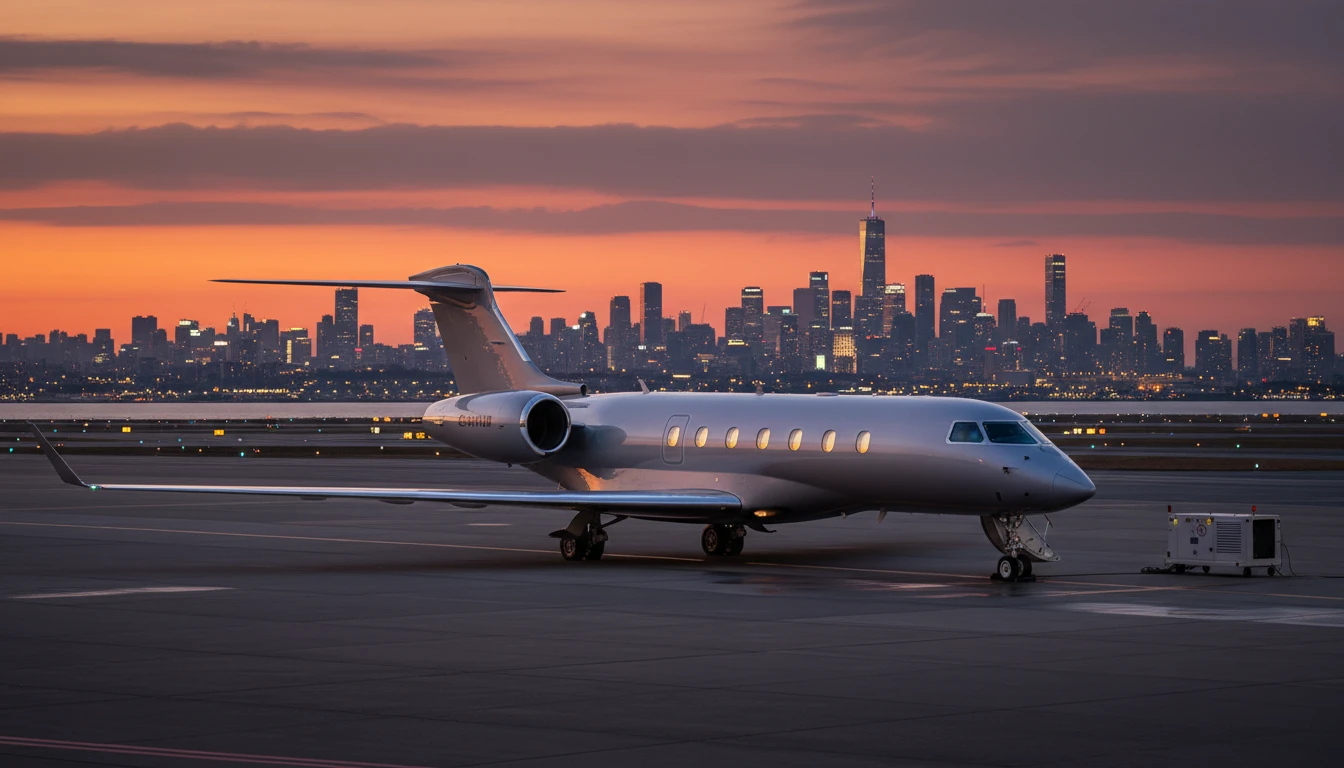
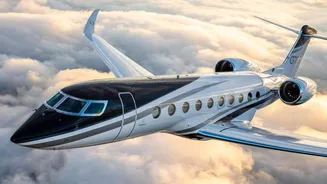
While the luxury of private flight is undeniable, for this new generation of tech executives, it's often positioned as a critical business tool. In a fast-moving global economy, the ability to bypass commercial airport delays, hold confidential meetings in the air, and travel on a flexible schedule is a significant competitive advantage. For leaders like Elon Musk, whose business empire spans from California to Texas and beyond, a private jet like the Gulfstream G650ER acts as a mobile command center, maximizing time and efficiency. This logic is now trickling down to early employees and venture capitalists who see private travel not as an indulgence, but as an essential component of high-stakes business operations.
Navigating the Environmental Headwinds
The rapid growth in private aviation comes with significant environmental costs. On a per-passenger basis, private jets are substantially more polluting than commercial flights—by some estimates, 5 to 14 times more carbon-intensive. A single private jet can emit two tonnes of CO2 per hour, a staggering figure when compared to average individual carbon footprints. This has made private jets a lightning rod in the climate change debate. In response, the industry is accelerating its push toward sustainability. The adoption of Sustainable Aviation Fuel (SAF), which can cut emissions by up to 80%, is becoming a key focus for operators and manufacturers, though its availability and cost remain significant hurdles.