







Skipping: The Champion of Dynamic Agility
Skipping, or jumping rope, is a high-impact exercise that is fantastic for developing dynamic agility and coordination. The quick, repetitive motion requires a strong mind-body connection to synchronise your hands, feet, and eyes. This constant rhythm
trains you to be light on the balls of your feet, improving your footwork and the ability to change direction quickly. It's a form of plyometric exercise, which involves explosive movements that build power and speed. Every jump is a lesson in coordination; if your rhythm is off, the rope provides immediate feedback by catching on your feet. This makes it an excellent tool for athletes, especially in sports that require fast footwork and sharp reflexes.
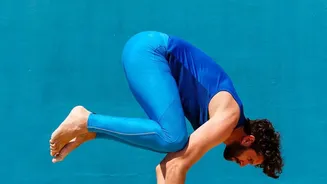
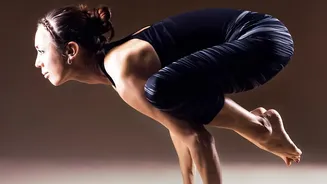
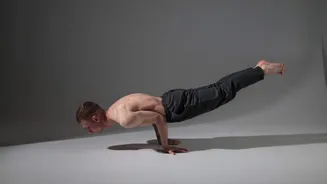
Yoga: The Master of Static Balance and Control
Yoga excels in developing static balance—the ability to hold a position without moving—and overall body awareness. Poses like Tree Pose or Warrior III challenge you to maintain your centre of gravity over a small base of support, strengthening the stabiliser muscles in your ankles, legs, and core. This practice enhances proprioception, which is your body's ability to sense its position in space. By focusing on breath and precise alignment, yoga builds a foundation of stability and control from the ground up. While it's not a high-intensity workout like skipping, the flexibility and body awareness gained from yoga are crucial components of overall agility.
Head-to-Head: Agility
When it comes to agility, the answer depends on what kind you need. Skipping is superior for developing fast-paced, reactive agility. It trains the neural pathways that allow for rapid movements and quick directional changes, which is why it's a staple for boxers and martial artists. The entire body must work in concert to maintain the rhythm, making it a full-body coordination challenge. Yoga, on the other hand, contributes to agility in a more foundational way. The increased flexibility and range of motion gained through yoga allow for more fluid and efficient movement, reducing stiffness that could otherwise hinder agile actions. It builds the core strength and body awareness necessary to support quick movements and prevent injury.
Head-to-Head: Balance
Here, the distinction is between static and dynamic balance. Yoga is the clear winner for improving static balance. Holding challenging poses for extended periods directly trains your ability to remain stable and centred. This mindful practice of finding and maintaining equilibrium is central to the discipline. Skipping, however, is excellent for improving dynamic balance—the ability to stay stable while in motion. Each jump and landing requires constant, minor adjustments to maintain your balance. This trains your body to react and stabilise itself quickly during movement, which is essential for most sports and everyday activities like navigating an uneven surface.
Beyond the Metrics: Cardio vs. Calm
Of course, these workouts offer more than just agility and balance. Skipping is a powerhouse for cardiovascular health, capable of burning a significant number of calories in a short amount of time. Just 10-15 minutes can provide an intense full-body workout that strengthens your heart and improves endurance. Yoga’s primary benefits beyond balance lie in flexibility and mental well-being. It is renowned for reducing stress, increasing mindfulness, and improving the range of motion in joints. This focus on breath and mental calm offers a restorative element that high-intensity workouts often lack.