


The High Caucasus and Khinalig
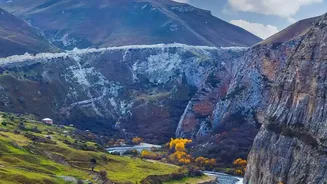
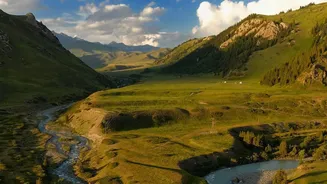
The Greater Caucasus mountains in northern Azerbaijan are a hiker's paradise, offering some of the country's most dramatic scenery. The region around Guba and Gusar serves as a gateway to Shahdag National Park, a vast expanse of alpine meadows, deep canyons,
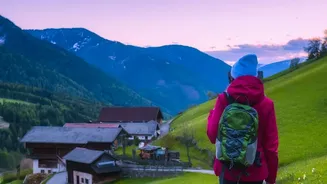
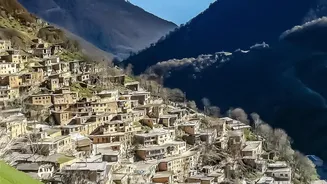
and soaring peaks. The star attraction is the trek to Khinalig, one of the highest and oldest continuously inhabited villages in the Caucasus. Sitting at over 2,200 meters, this remote village has its own language and a history stretching back 5,000 years. The trails here, like the popular route from Khinalig to Galakhudat, offer breathtaking views of Mount Shahdag and the Gudyalchay River Valley. These paths wind through a landscape where shepherds guide their flocks and stone houses cling to steep mountainsides, providing a trek that is as much a cultural immersion as it is a physical challenge.
Historic Trails to Lahij
For a hike that blends natural beauty with rich history, the trails surrounding Lahij in the Ismayilli region are a perfect choice. Lahij is a historic town of coppersmiths and artisans, its cobbled streets and traditional stone houses nestled in a deep river valley. The routes here offer varied difficulty, from moderate walks to challenging ascents. A popular but demanding trail is the 12 km mountain hike from the village of Muju to Lahij, which involves a significant climb of over 1,000 meters before descending into the valley. The reward is unparalleled panoramic views and the satisfaction of arriving in a village that feels like a living museum. These trails, often part of the Shahdag National Park, cut through forests and cross streams, offering a truly immersive experience.
The Lush Subtropics of the Talysh Mountains
In the south, bordering Iran, the Talysh Mountains offer a completely different hiking experience. This region is home to Hirkan National Park, which protects ancient Hyrcanian forests known for their relict, subtropical vegetation. The climate here is humid, and the trails are often shaded by a dense canopy of trees, with moss-covered paths and twisted ironwood trunks creating an almost primeval atmosphere. Treks can range from easy day walks to more strenuous climbs up to ridges that provide views over the forest and the Caspian Sea. A popular journey involves hiking to the picturesque Sim village for a traditional meal, followed by a walk through the forest to a hidden waterfall. This area is ideal for those looking to escape into a quiet, green world far from the arid landscapes found elsewhere in the country.
Goygol's Alpine Lakes
Western Azerbaijan is home to Göygöl National Park, a stunning area known for its collection of pristine mountain lakes. The park’s centerpiece, Lake Goygol (meaning 'Blue Lake'), was formed by an earthquake in the 12th century and is famous for its crystal-clear, deep blue waters surrounded by dense forests. Hiking trails here are well-suited for leisurely walks and family outings, with paths circling the main lakes like Goygol and the smaller, quieter Maralgol. The routes wind through forests and offer serene views of the water reflecting the surrounding peaks of the Lesser Caucasus Mountains. It's a tranquil retreat perfect for nature lovers who appreciate peaceful landscapes and accessible trails.
Planning Your Azerbaijani Hike
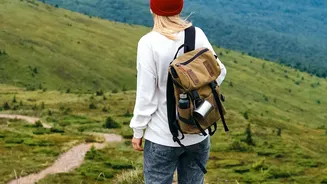
The best time for hiking in Azerbaijan is generally from April to June and September to October. During these months, the weather is mild, the mountain passes are typically free of snow, and the landscapes are at their most vibrant, with wildflowers in the spring and golden foliage in the autumn. While some trails are well-marked, especially newer routes developed as part of the Transcaucasian Trail project, many remote paths require a GPS or a local guide. In high-altitude areas like Khinalig, weather can change rapidly. For multi-day treks or routes through remote villages, hiring a guide is highly recommended. They not only ensure safety but also provide invaluable insight into the local culture and traditions you'll encounter along the way.