



Why Balance Is a Lifelong Skill
Good balance is something we often take for granted until it begins to fade. It is a critical component of fitness at any age, essential for everything from walking confidently to preventing falls. Balance isn't just about staying upright; it’s a complex
skill involving our muscles, inner ear, and our body's ability to sense its position in space, a sense known as proprioception. As we get older, this sense can decline, making practices that enhance it more important than ever. Studies have repeatedly shown that Tai Chi is exceptionally effective at improving balance and reducing fall risk, particularly in older adults.
The Tai Chi Foundation for Stability
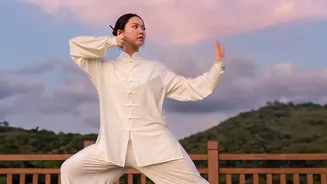
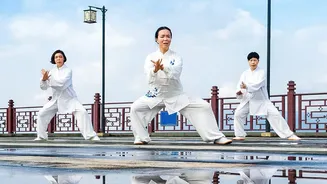
Often described as 'meditation in motion', Tai Chi is celebrated for its slow, deliberate movements that promote strength, flexibility, and stability. The practice emphasizes a strong mind-body connection, improving your awareness of how your weight is distributed and how your body moves through space. By slowly shifting weight from one foot to the other and maintaining a low center of gravity, practitioners build lower-body strength, enhance joint mobility, and refine the reflexes needed to recover from a stumble. This makes it an ideal, low-impact exercise for people of all fitness levels.
Adding Sand: The Unstable Advantage
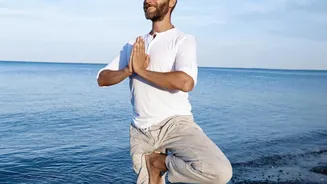
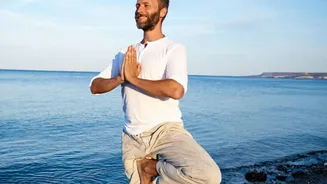
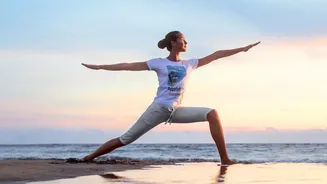
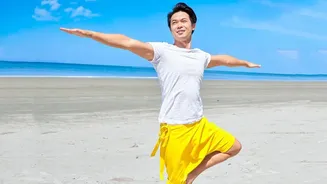
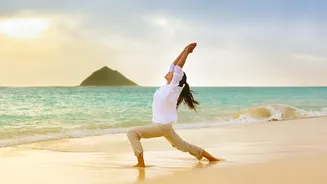
When you take this already powerful practice onto the sand, you introduce a new, dynamic challenge. The soft, shifting surface requires your body to work harder to maintain stability. This instability forces the smaller stabilizing muscles in your feet, ankles, and legs—muscles that might be underused on a flat, hard surface—to engage more actively. Your core muscles must also fire constantly to keep you centered. This process intensifies proprioceptive training; your nervous system receives constant feedback from the ground, forcing it to make continuous micro-adjustments to keep you balanced. The result is a significant boost in strength, coordination, and the body’s intrinsic ability to stabilize itself.
More Than Just a Physical Challenge
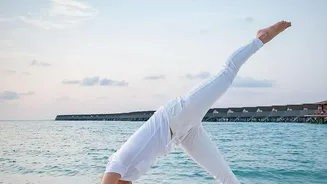
The benefits of practicing Tai Chi on sand extend beyond the physical. The beach environment offers a unique sensory experience that enhances the meditative aspect of the practice. The sound of the waves provides a natural, rhythmic guide for your breathing and movements, promoting deeper relaxation and focus. The fresh sea air, the feeling of sand under your feet, and the expansive views can reduce stress and elevate your mood. This connection with nature adds a restorative layer to your workout, engaging all your senses and promoting a profound sense of well-being.
How to Get Started Safely
Before you head to the shore, a few safety considerations are essential. Start on wet, packed sand near the waterline, which offers a firmer, more stable surface than loose, dry sand. Begin barefoot to allow your feet to fully engage with the surface, but be mindful of any sharp objects. Begin with simple stances and slow, deliberate weight shifts before attempting more complex forms. Pay close attention to how your body feels; the increased effort can be tiring, and it's important not to overdo it, as the increased load can strain tendons if you're not used to it. Also, remember to protect yourself from the sun with sunscreen and a hat, and stay hydrated by drinking plenty of water.