


The Morning Ritual, Reimagined
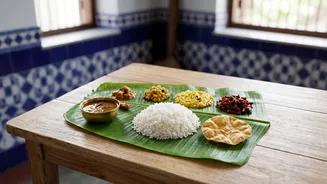
In a country with a breakfast menu as diverse as India, the morning often begins softly. South India offers fluffy idlis and appams, while in the west, flattened rice poha provides a gentle start. North Indians might turn to stuffed parathas, which, while hearty,
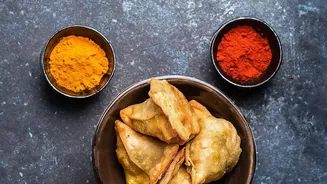
possess a certain comforting softness. Into this gentle landscape, the samosa arrives like a thunderclap. It’s not a subtle food. It is a declaration. Its deep-fried, golden-brown crust shatters at the first bite, revealing a steaming, savoury filling of spiced potatoes and peas. Eating a samosa for breakfast feels like a small act of rebellion—a delicious departure from the norm that energizes the start of the day with its bold textures and flavours.
A Bite of History
Though now synonymous with Indian cuisine, the samosa is a seasoned traveller. Its journey began in the Middle East and Central Asia, where its precursor, known as 'sanbusaj' or 'sambosag', was a convenient, meat-filled pastry for merchants and soldiers on long journeys. It arrived in the Indian subcontinent around the 13th or 14th century, brought by traders and chefs seeking work in the kitchens of the Delhi Sultanate. Once here, it was lovingly adapted. The classic spiced potato filling became a staple, transforming the traveller's snack into a national treasure. This history as a portable, energy-giving food makes it surprisingly fitting for the morning, equipping you for the day’s journey ahead.
The Allure of Contrast
The true genius of the breakfast samosa lies in its sensory counterpoint. The typical Indian breakfast often leans towards a single textural note. The contrast provided by a samosa is exhilarating. You have the crisp, flaky pastry shell giving way to a soft, warmly spiced interior. This textural play is matched by its flavour. Where a dish like upma or idli is mildly spiced, the samosa filling is a riot of flavour—potatoes and peas mingling with the warmth of cumin, coriander, and a kick of green chilli. Paired with tangy tamarind and fresh mint chutneys, it’s a complete flavour package that jolts the palate awake in the most pleasant way possible.
A Snack for Every Region
Just as there is no single Indian breakfast, there is no single samosa. The breakfast experience can change dramatically depending on where you are. In Bengal, you might find the 'shingara', a smaller, flakier version often filled with diced potatoes, cauliflower, and peanuts, sometimes with a hint of sweetness. Head to Hyderabad, and you might encounter the 'lukhmi', a square-shaped pastry filled with minced meat. In Gujarat, the filling might even feature shredded cabbage in a lighter pastry. Down south, smaller, crispier versions with onion or lentil fillings are common. This diversity means the breakfast samosa is not a monolithic idea but a canvas for regional tastes.
More Than Just Street Food
While often enjoyed as a tea-time snack from a street-side stall, the samosa holds a deeper cultural significance. It is a food of celebration, found at weddings, festivals, and family gatherings. It’s a symbol of community and hospitality. Bringing samosas home from the local 'halwai' is an act of love. By moving it to the breakfast table, we are not just changing a mealtime; we are bringing that sense of joy and festivity to the very start of our day. It’s an acknowledgement that even an ordinary morning can be made special with the right kind of treat.