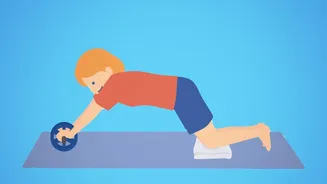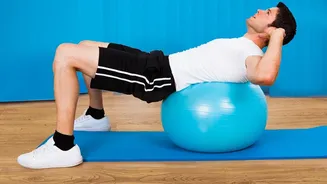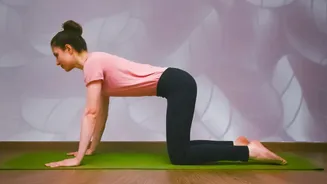




The Foundation: Pilates and Deep Core Control
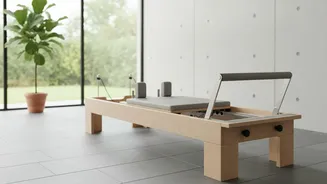
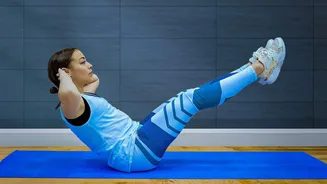
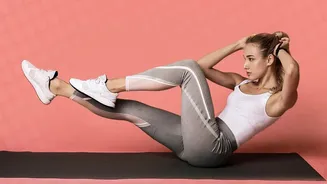
Pilates is a method of exercise that focuses on controlled, precise movements and specific breathing techniques. Its primary aim is to build strength, flexibility, and balanced muscular development throughout the body. When it comes to abs, Pilates is less
about performing endless crunches and more about targeting the deep, intrinsic muscles that form your body's core. These include the transverse abdominis, which acts like a natural corset to stabilize your spine and pelvis, as well as the pelvic floor and obliques. By emphasizing control over speed, Pilates builds a strong, stable foundation, which can improve posture, alleviate lower back pain, and enhance balance and coordination. The workout is low-impact, meaning it puts minimal stress on the joints, making it an excellent choice for beginners, those recovering from injury, or anyone seeking to build functional strength without high-impact strain.
The Finisher: Circuit Training and Intensity
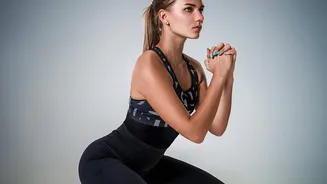
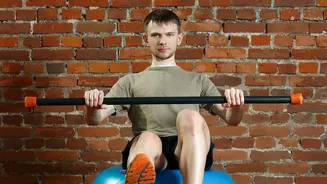
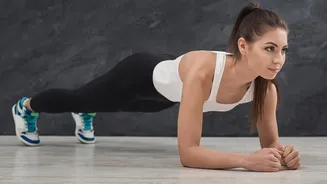
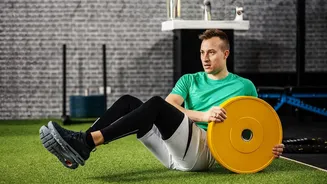
Circuit training sits on the opposite end of the fitness spectrum. It involves performing a series of different exercises in quick succession with minimal rest in between. This approach combines strength training with high-intensity aerobics, keeping your heart rate elevated for the duration of the workout. For abdominal fitness, a circuit might include exercises like burpees, mountain climbers, kettlebell swings, and planks. The main advantage here is efficiency and calorie burn. The high intensity not only burns significant calories during the session but also boosts your metabolism for hours afterward. This can be highly effective for reducing overall body fat, which is essential for revealing the abdominal muscles underneath.
Muscle Activation: Deep Stability vs. Surface Definition
The two methods target abdominal muscles in fundamentally different ways. Pilates excels at activating the deep core stabilisers, particularly the transverse abdominis. Think of these as the muscles that hold everything together and provide support for every movement you make. Strengthening them is crucial for a truly strong core, spinal health, and a naturally flatter abdominal appearance. Circuit training, while also engaging the core through compound movements, often places more emphasis on the superficial abdominal muscles like the rectus abdominis—the 'six-pack' muscle. The combination of resistance exercises and dynamic, high-energy movements helps build and define these outer muscles while simultaneously stripping away fat.
Goals and Accessibility: Which Is Right for You?
Choosing between Pilates and circuit training depends entirely on your goals, fitness level, and preferences. If your primary goal is to build foundational core strength, improve posture, increase flexibility, and develop better body awareness, Pilates is an unmatched choice. Its low-impact nature makes it accessible to almost everyone and reduces the risk of injury. On the other hand, if your main objective is fat loss, improving cardiovascular fitness, and achieving more visible muscle definition in a time-efficient manner, the high-intensity nature of circuit training is more suitable. However, the higher impact and intensity also carry a greater risk of injury if form is compromised, especially for beginners.
The Best of Both Worlds: A Hybrid Approach
Ultimately, the debate over which is 'better' is misleading. Pilates and circuit training are not mutually exclusive; in fact, they can be highly complementary. A well-rounded fitness regimen could easily include both. For instance, you could use Pilates two or three times a week to build that deep, stabilising core strength and improve your mind-muscle connection. This foundational work will actually make you stronger and more resilient in your other workouts. Then, you could incorporate one or two circuit training sessions per week to elevate your heart rate, maximize calorie burn, and work on muscular endurance. This hybrid approach allows you to build a core that is not only visually defined but also functionally strong and stable from the inside out.