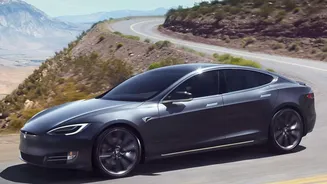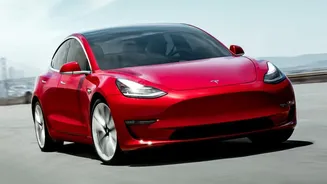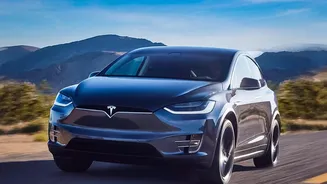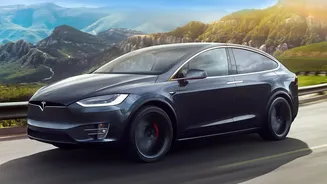


The Clip That Launched a Thousand Memes
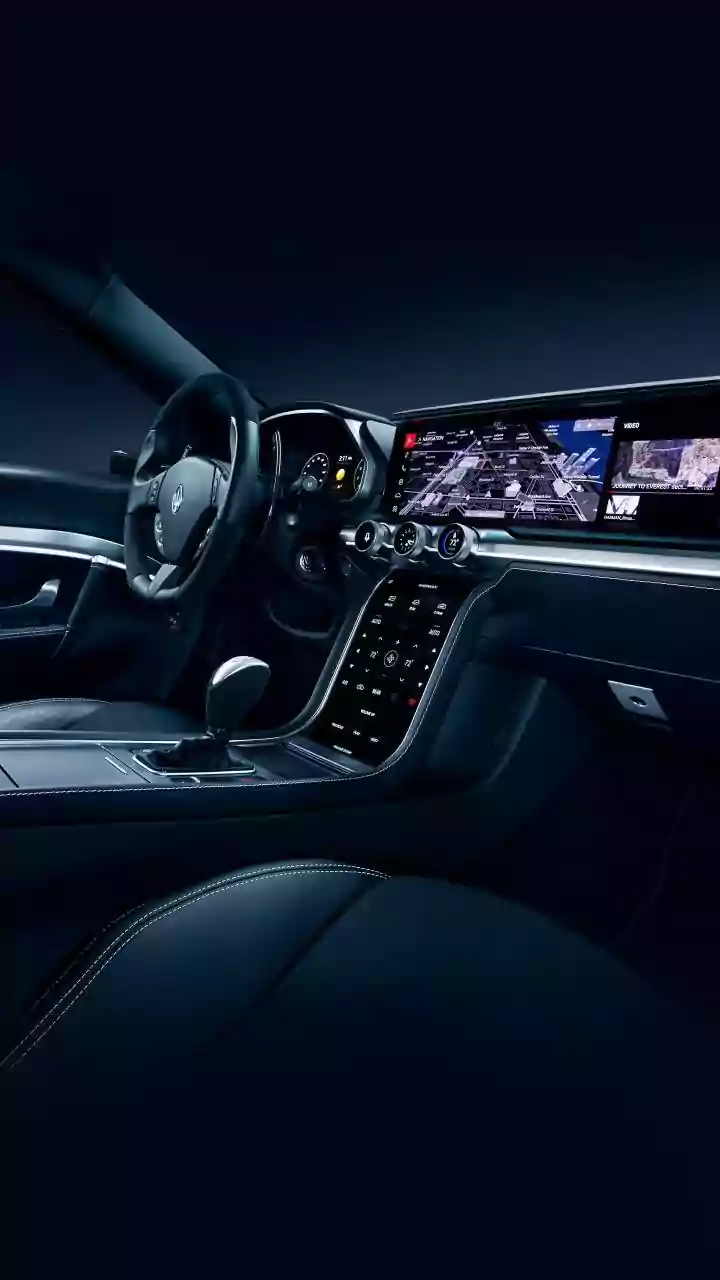
You’ve likely seen it: footage from inside a Tesla, purportedly driving in Gurugram, its large touchscreen frantically trying to render the organised chaos of Indian traffic. The car’s sensors map a dense world of auto-rickshaws, motorcycles, pedestrians,
and cars, all sharing the road with creative interpretations of lane discipline. The clip became an instant sensation, with social media users joking that Indian roads were giving the car’s advanced software a “brain migraine.” Many viewers concluded that if Tesla’s cutting-edge tech struggles to identify an auto-rickshaw, the company is simply not ready for India. It’s a compelling and simple narrative, but the real hurdles holding Tesla back have little to do with traffic and everything to do with policy and price.
The Real Roadblock: The Import Duty Stalemate
The single biggest obstacle to Tesla's India launch has been a years-long standoff with the government over import duties. Historically, India has imposed tariffs of 70% to 100% on fully imported cars to protect and encourage its domestic auto industry. Tesla has consistently argued for these duties to be slashed, allowing it to test the market with imported vehicles before committing the massive investment required for a local factory. The Indian government’s position has been equally firm: commit to building a factory in India first, under the “Make in India” initiative, and then you can talk about tax concessions. In March 2024, the government introduced a new EV policy as a middle ground, offering a reduced 15% duty on a limited number of imported EVs for companies that invest at least $500 million and begin local manufacturing within three years. However, this has not yet broken the deadlock.
Beyond Roads: The Charging Challenge
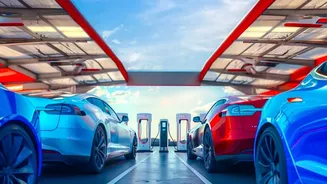
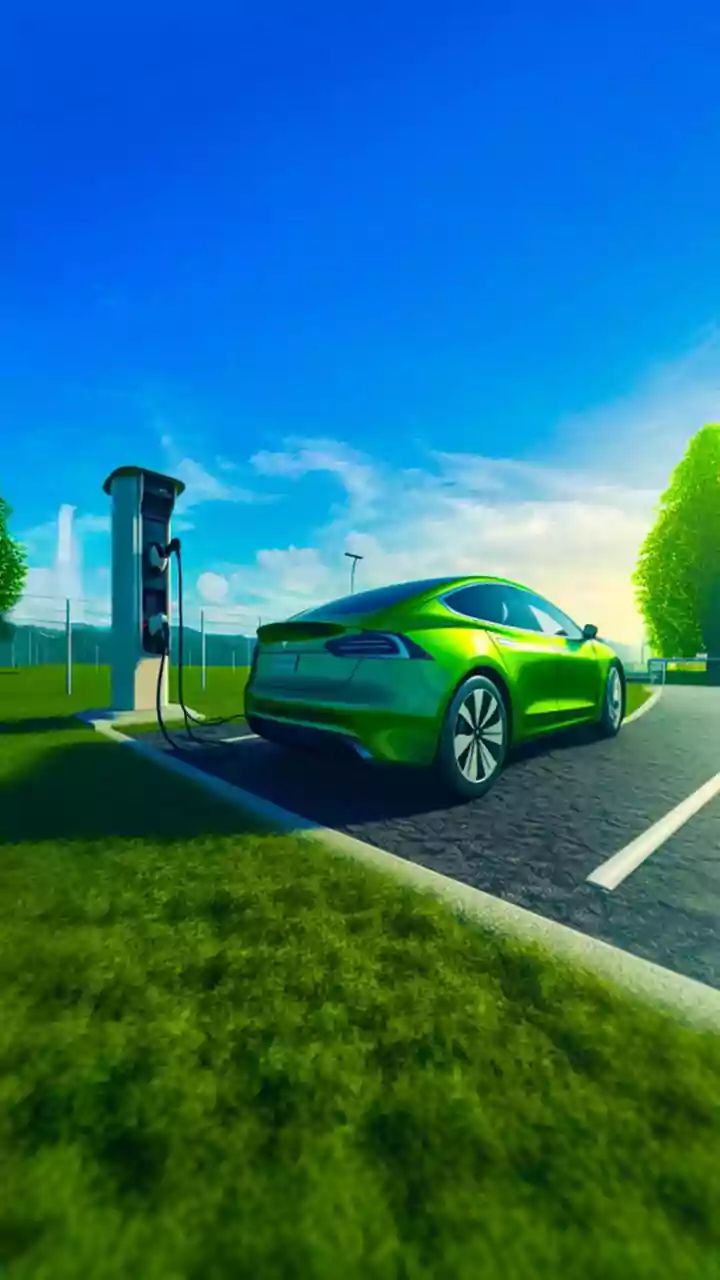
While a viral clip focuses on road conditions, a more fundamental infrastructure issue is the lack of a widespread and reliable EV charging network. Tesla’s ownership experience globally is built around its seamless and fast Supercharger network. Replicating this across a country as vast and varied as India is a monumental task requiring huge investment and logistical planning. While India is making strides with its own EV policies, including the FAME (Faster Adoption and Manufacturing of Electric Vehicles) scheme, the focus has often been on supporting two- and three-wheelers and public transport. For a premium carmaker like Tesla, whose customers expect convenient and fast charging, the current infrastructure remains a significant challenge to ensuring a smooth customer experience.
The Affordability Question
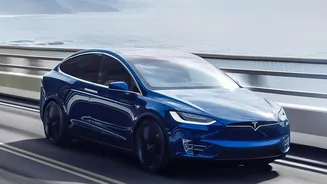
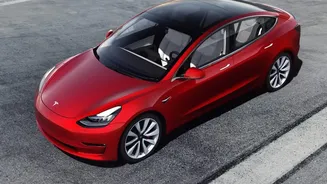
Even if the policy and infrastructure hurdles were cleared, the question of price remains. Without significant duty reductions or local manufacturing, a Tesla would be a luxury product accessible to only a tiny fraction of Indian car buyers. The Model Y, for instance, starts at a price point that puts it in direct competition with established luxury brands like Mercedes-Benz and BMW. This is a stark contrast to the mass-market segment where the bulk of car sales happen in India. While Tesla has hinted at producing a more affordable model for markets like India, its core strategy has revolved around premium vehicles. This pricing mismatch makes it difficult to justify a large-scale market entry without a clear path to making the cars more affordable for a broader audience.
Competition Didn't Wait
While Tesla has been negotiating for years, the Indian EV market has moved on. It is now a growing and competitive space dominated by domestic players and other international brands. Tata Motors has established a commanding lead in the passenger EV segment, leveraging its understanding of local consumer preferences and cost structures. Companies like MG Motor and Hyundai have also carved out significant market share with models tailored for Indian buyers. These companies didn’t wait for the perfect policy; they adapted to the existing conditions, building a local presence and supply chains. Any entry by Tesla now would be into a market where it is no longer the sole pioneer but a new challenger facing established rivals.