

The Cardinal Sin of Soggy Tofu
The most common pitfall in making a tofu bowl is texture—or the lack thereof. Tofu is packed in water to keep it fresh. If you cube it and toss it directly into a pan with a sauce, that excess moisture has nowhere to go. The tofu steams instead of sears,
resulting in a spongy, soft consistency that gets lost in the rest of the ingredients. A great dish is a sum of its parts, and when the star protein is texturally weak, the entire bowl suffers. Even worse, this water-logged tofu struggles to absorb marinades, diluting the very flavours you’re trying to build. The goal is to create a delightful contrast between the soft rice, crisp vegetables, and a protein that has a satisfying, toothsome quality. Simply simmering tofu in sauce is a guaranteed way to miss that mark.
The Secret to a Perfect Crisp
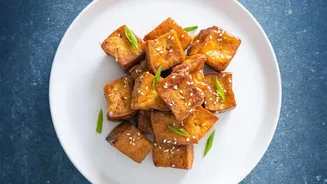
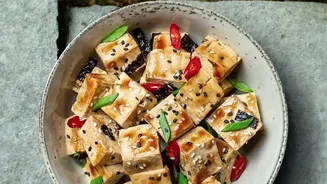
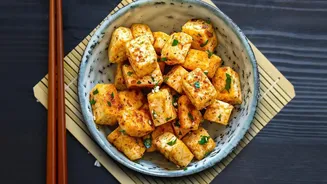
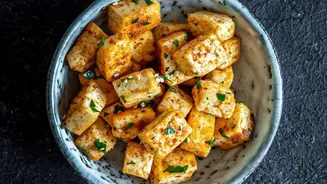
The solution is to treat your tofu as a separate, crucial component that needs its own preparation. The first, non-negotiable step is pressing. By placing firm or extra-firm tofu under weight for at least 30 minutes, you squeeze out the excess water. This is the most important prep work for achieving a crispy exterior because it allows the tofu’s surface to dry out. With the moisture gone, the tofu can properly brown when it hits a hot pan—a process chemists call the Maillard reaction, which creates a deeper, more savoury flavour. After pressing, cube the tofu and toss it in a little cornstarch to create a light, crispable coating. Then, pan-fry, bake, or air-fry it separately until all sides are golden brown and crunchy. Only at the very end should the crispy tofu be introduced to the sauce, ensuring it stays perfect until the first bite.
Gochujang: More Than Just Heat
Once you’ve mastered texture, the next step is elevating the flavour beyond a generic sweet-and-sour or teriyaki glaze. This is where gochujang comes in. Gochujang is a fundamental ingredient in Korean cuisine, but it's much more than a simple hot sauce. It’s a thick, fermented paste made from red chilli peppers, glutinous rice, and soybeans. This fermentation process is key, as it creates an incredible depth of flavour that is simultaneously spicy, savoury, subtly sweet, and packed with umami. Unlike one-dimensional hot sauces that just bring the fire, gochujang offers a complex, funky, and earthy character that lingers. A little goes a long way, and it’s typically mixed with other ingredients like soy sauce, sesame oil, or a touch of sweetener to create a balanced, glossy sauce that coats ingredients beautifully.
Building a Better Bowl
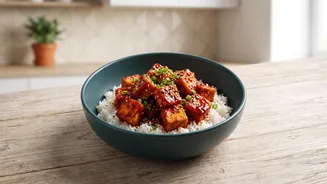
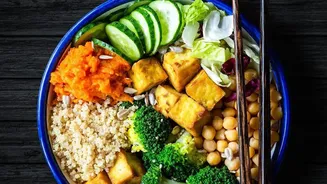
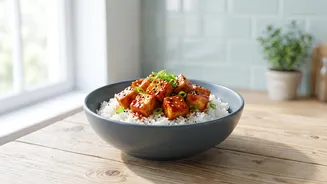
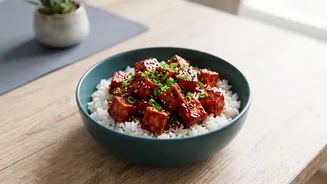
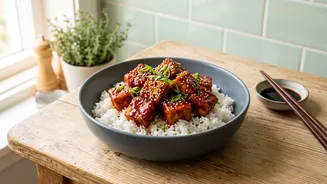
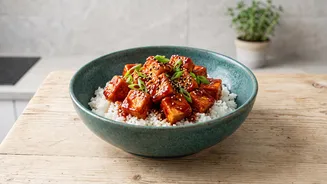
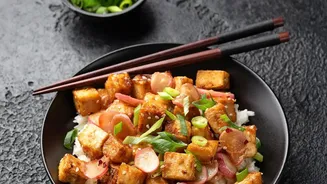
With your perfectly crisped tofu and dynamic gochujang sauce ready, assembly is the final, satisfying step. The rule is simple: protect the texture you worked so hard to create. Start with a bed of fluffy steamed rice. Add your choice of fresh or lightly cooked vegetables—think steamed broccoli, crisp carrots, or sautéed spinach. Now, add the hero element. You can either gently toss the crispy tofu in the gochujang sauce right before serving or, for maximum crunch, drizzle the sauce over the entire bowl, letting it coat the tofu and rice. This method ensures the tofu remains the crunchy counterpoint to the softer elements. Garnish with toasted sesame seeds for nutty flavour and sliced spring onions for a sharp, fresh finish. The result is a bowl where every spoonful offers a mix of temperatures and textures: warm rice, crisp-tender veggies, and that glorious, crunchy tofu wrapped in a sweet and savoury fermented heat.