





The Old Protein Playbook
For years, the standard advice on protein has been based on a simple formula: 0.8 grams of protein per kilogram of body weight. This Recommended Dietary Allowance (RDA) was established decades ago based on studies designed to find the minimum amount needed
to prevent deficiency, not to promote optimal health. For a 70 kg person, this translates to about 56 grams of protein daily. This single figure has dominated food labels and public health messaging, leading many to believe there's a universal target for everyone. However, recent scientific consensus has been building that this number is merely a survival floor, not a goal for a thriving, active life.
What the New Science Says
Recent analyses of hundreds of studies are challenging this outdated, one-size-fits-all approach. One major 2026 review published in Cell Press Blue analyzed over 350 studies and concluded that protein needs are highly variable and depend on individual circumstances. Another consensus from leading protein researchers argues that the old RDA framework is not the right tool for setting an optimal intake. The emerging message is clear: personal context matters more than a generic number. Factors like your age, activity level, health goals, and even whether you're trying to lose weight dramatically change how much protein your body actually needs to function at its best.
Age Is More Than Just a Number
One of the most significant factors influencing protein needs is age. As we get older, our bodies become less efficient at using the protein we eat, a phenomenon known as anabolic resistance. To get the same muscle-building and maintenance benefits, older adults need to consume more protein than their younger counterparts. Some experts suggest that adults over 50 should aim for 1.2 to 1.6 grams of protein per kilogram of body weight, significantly higher than the old RDA. This increased intake is crucial for combating sarcopenia, the age-related loss of muscle mass and strength, which is a key factor in maintaining independence and overall health later in life.
Activity and Health Goals
Your daily activity is another critical piece of the puzzle. It's no surprise that athletes and highly active individuals require more protein to repair and build muscle tissue. Recommendations for this group often fall in the 1.2 to 1.6 g/kg range or even higher. What's more surprising is that protein needs also increase during periods of calorie restriction for weight loss. When you're in a calorie deficit, your body may be tempted to break down muscle tissue for energy. A higher protein intake helps preserve that vital muscle mass, ensuring that you're losing fat instead. Conversely, some research suggests that for largely sedentary individuals, a lower protein intake might be linked to better metabolic health and longevity, highlighting the need for personalised recommendations.
Rethinking Your Protein Strategy
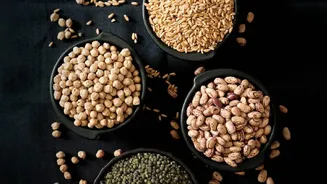
So, what does this mean for you? Instead of chasing a single number, the new guidance encourages a more thoughtful approach. First, consider your personal context. Are you a 65-year-old looking to stay strong, a 30-year-old training for a marathon, or a sedentary office worker? Your protein target should reflect your reality. The general consensus for many active adults and those over 50 is shifting towards a range of 1.2 to 1.6 g/kg. The focus should also be on whole food sources—like meat, fish, dairy, eggs, and legumes—rather than relying solely on processed bars and shakes. Spreading your protein intake throughout the day, aiming for around 25-30 grams per meal, may also be more effective for muscle synthesis than having it all in one sitting.