





Meet the U1: A Glimpse of the Future
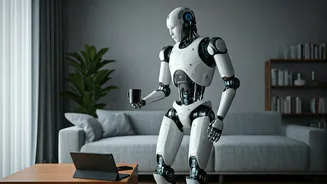
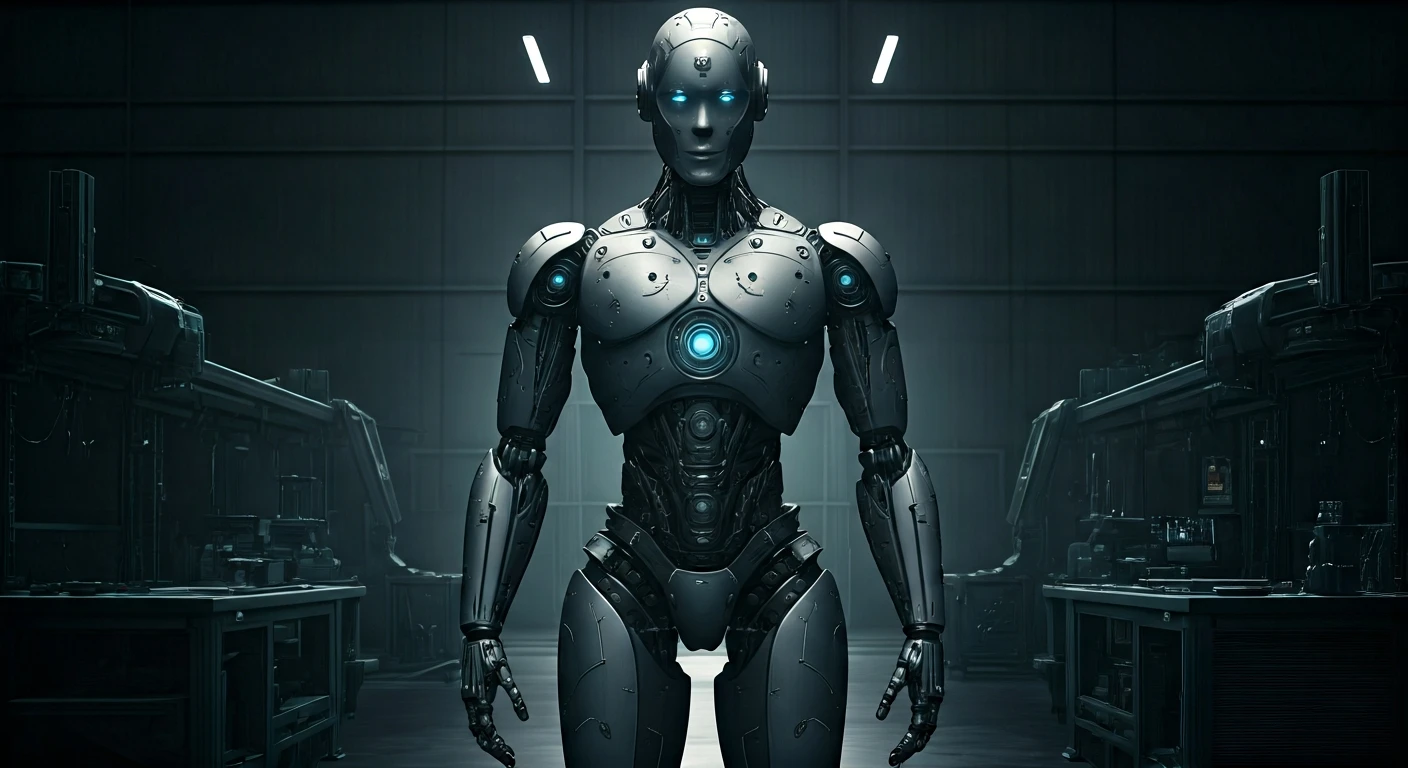
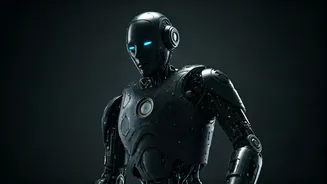
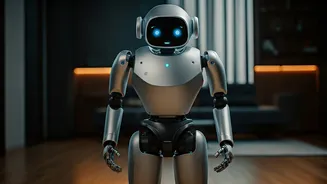
Chinese firm UBTech Robotics recently unveiled its U1 humanoid series, a significant step away from its industrial robots and into the consumer space. Positioned as a companion robot, the U1 is designed for homes, elder-care settings, and other domestic
environments. The full-size humanoid comes in male and female versions, standing 183 cm and 168 cm respectively, and is covered in a hyper-realistic silicone skin. The focus isn't just on utility but on interaction. UBTech claims the U1 features an 'emotional AI' that can recognise over 20 emotional states, hold conversations, and maintain eye contact. Crucially, this emotional and memory data is processed locally on the device, a key feature designed to address privacy concerns by not constantly sending personal data to the cloud. While prices for different variants range from around $17,000 to over $130,000, it's a clear statement of intent.
More Than Just One Robot
The U1 is not an isolated gadget; it's the latest and most lifelike example of a much broader trend. The push to create general-purpose humanoid robots is a new frontier for global tech giants. Companies like Tesla with its Optimus robot, Figure AI with its Figure 03, and Norway's 1X with NEO are all developing machines designed to operate in human environments. Morgan Stanley recently increased its forecast for humanoid robot shipments, indicating rising interest and accelerating development. This reflects a major strategic pivot from building single-task robots, like vacuums or industrial arms, to creating flexible, adaptable platforms that can learn to perform a wide variety of tasks. This ambition is fuelled by demographic shifts, such as ageing populations and caregiver shortages, which create a real-world demand for assistive technologies.
The Technology Making It Possible
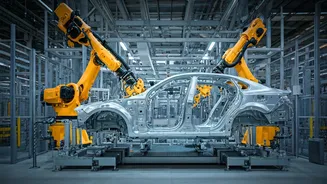
This new wave of robotics is powered by the convergence of several key technologies. The same advancements in Artificial Intelligence, particularly Large Language Models (LLMs), that have given us powerful chatbots are now being integrated into robots. This allows them to understand complex natural language commands, break down tasks into steps, and learn from their environment. Instead of being programmed for one specific action, they can be taught. This 'physical AI' is combined with better, cheaper hardware. More sophisticated sensors, advanced motors providing dozens of 'degrees of freedom' for fluid movement, and improved battery life are making these machines more capable and safer to operate around people. UBTech’s industrial robot, the Walker S, which is already deployed in factories, laid the groundwork for the balance and navigation systems now being used in its consumer-facing models.
The Reality Check: Hurdles Remain
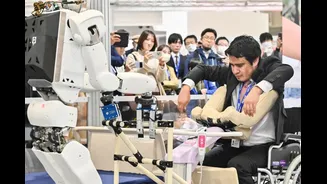
Despite the impressive demonstrations, a robot butler in every Indian home is not imminent. The biggest hurdle is the home itself. Unlike a controlled factory floor, a typical house is a chaotic and unstructured environment filled with unpredictable obstacles like pets, toys, and shifting furniture. This makes even simple tasks incredibly complex for a robot. Then there is the cost. With prices in the tens of thousands of dollars, these robots are currently luxury goods for the wealthiest tech enthusiasts. Beyond price, there are significant technical challenges in manipulation—getting a robot to gently handle a delicate object or fold laundry is still extremely difficult. Safety, reliability, and the profound social and privacy questions raised by having a data-gathering, human-like machine in your home are all issues that need to be solved before mass adoption can begin.
The Road Ahead for Home Robotics
While humanoid robots may not be a common sight for some time, the underlying trend toward more automation in the home is undeniable. For a market like India, the immediate impact will likely be seen less in high-end humanoids and more in increasingly sophisticated single-task devices for cleaning, cooking, and security. However, the developments from companies like UBTech are crucial to watch. They are creating the foundational technology—the 'brains' and 'bones'—that will eventually trickle down into more affordable and accessible products. The journey from a niche, high-tech curiosity to a common household appliance is long, as we saw with computers and smartphones. The U1 is a signpost on that journey, showing us that the robotics revolution will not be confined to factories, but is preparing to walk through our front doors.