






Know Your Enemy: Common Pantry Invaders
Pantry pests are insects that infest stored food products. The most common culprits include Indian meal moths, flour beetles, and rice weevils. These pests are not just a nuisance; they contaminate food with their droppings, webbing, and shed skins, rendering
expensive ingredients inedible. They are drawn to the starchy, dry goods that form the backbone of Indian cooking: flour, rice, cereal, dried beans, spices, and even chocolate. Often, they hitch a ride into your home directly from the grocery store, hidden inside paper, cardboard, or thin plastic packaging that they can easily chew through. An infestation can begin with just a few unnoticed eggs and quickly multiply, spreading from one container to another.
The Airtight Defence: Your First and Best Barrier
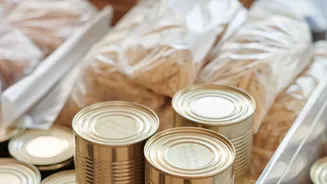
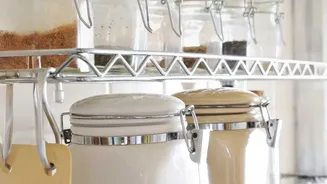
The single most effective step you can take is to create an impenetrable barrier between pests and their food source. This is where airtight containers come in. The original cardboard boxes and flimsy bags for flour, pasta, and cereal are no match for a determined pest. Invest in quality storage containers made of thick glass or hard, BPA-free plastic. Look for lids with a silicone gasket or a strong clamping mechanism, as these create a true airtight seal that prevents pests from squeezing inside and also locks out moisture. As soon as you bring groceries home, make it a habit to decant items like rice, lentils, flour, and sugar into these containers. This not only protects your food but also helps keep it fresh for longer and allows you to easily see how much you have left.
A Dry Pantry is a Safe Pantry
Pests, like mould and mildew, thrive in humid environments. In many parts of India, high humidity can make pantries an ideal breeding ground. Moisture can cause dry goods to clump, spoil faster, and become more attractive to insects. The key is to keep your pantry shelves consistently dry. Promptly wipe up any spills, whether it's a few drops of oil or a dusting of flour. Check for any leaks from overhead pipes or adjacent walls. If your pantry is enclosed and tends to feel damp, consider using a moisture-absorbing product. Most importantly, never place items back on shelves if the surface is not completely dry. This simple discipline denies pests the moisture they need to flourish.
The Power of a Regular Cleaning Routine
A clean pantry offers fewer attractions for pests. Crumbs and food residue are an open invitation. Incorporate a quick pantry check into your weekly cleaning schedule. Sweep or vacuum the pantry floor to remove any stray crumbs that might attract ants or other crawlers. Wipe down the outside of your containers to remove any sticky residue. Every few months, perform a deeper clean. Take everything off one shelf at a time, wipe the surface with a mild, food-safe cleaner, and let it dry completely before restocking. This is also the perfect opportunity to check for and discard expired items and to rotate older products to the front so you use them first, following a “first in, first out” system.
Natural Deterrents for Added Protection
While a clean, dry, and sealed pantry is your best defence, some natural repellents can offer an extra layer of protection. Many common pantry pests are deterred by strong scents. Placing a few dried bay leaves inside your canisters of flour, rice, and other grains is a classic, effective trick to ward off weevils and moths. Small sachets of whole cloves or cedar chips can also be placed on shelves to discourage insects. Some people also have success wiping shelves with a diluted solution of peppermint oil. While these natural methods may not solve an active infestation, they can help make your pantry a less appealing destination for any new pests that might find their way into your home.