






Anatomy of the Disruption
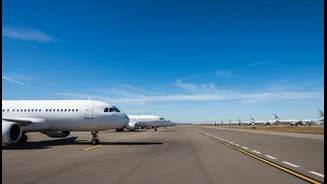
The last couple of years have been challenging for Indian flyers. The sector has been hit by a perfect storm of operational issues. Major carriers have been forced to ground a significant number of planes. IndiGo, the country's largest airline, has been grappling
with persistent engine supply issues from Pratt & Whitney, leaving dozens of its Airbus A320neo aircraft unable to fly. This problem has been a long-running operational headache for the carrier. Compounding the capacity crunch were the troubles at Vistara, which saw a spate of cancellations and delays due to crew unavailability as pilots protested a new salary structure ahead of its merger with Air India. These internal challenges were worsened by external factors, including airspace closures due to geopolitical tensions in West Asia, which made long-haul routes to Europe and North America longer and more expensive to operate.
The Squeeze on Routes and Fares
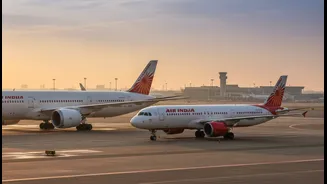
When dozens of aircraft are unexpectedly taken out of service, the ripple effects are felt immediately. Airlines were forced to make difficult decisions, leading to a temporary reduction in flight schedules and the outright suspension of certain routes to stabilize their networks. Air India, for instance, had to rationalize its international network over the summer, reducing frequencies to key destinations in North America and Europe and temporarily suspending services to cities like Chicago. These capacity cuts, happening just as passenger demand was roaring back, created a classic supply-demand imbalance. With fewer seats available on high-demand routes, fares inevitably climbed, leaving many travellers facing significantly higher costs for both domestic and international journeys.
The Cavalry Arrives: A Fleet on Order
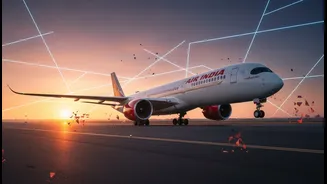
The good news is that a solution is on the horizon, and it comes in the form of new planes. Indian carriers, led by a resurgent Air India, are in the midst of one of the most ambitious fleet expansion plans in global aviation history. The Tata-owned airline has a massive order for hundreds of aircraft from both Airbus and Boeing. The airline group expects to receive 50 to 60 new aircraft every year for the next several years, a mix of narrow-body planes for domestic and short-haul routes and wide-body jets for international expansion. In fact, Air India projects it will be inducting a new aircraft roughly every six or seven days when combining all its orders. This aggressive growth isn't limited to one airline; the entire Indian market is projected to nearly double its commercial fleet over the next decade.
More Than Just New Planes
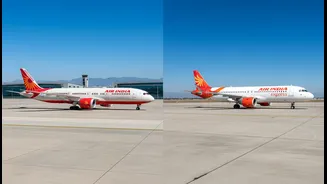
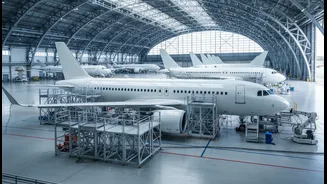
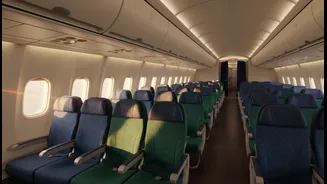
While new deliveries are crucial, getting planes back in the air is also a key part of the recovery. IndiGo expects to get many of its grounded planes flying again by early 2026 as engine maker Pratt & Whitney works to supply replacements. Simultaneously, Air India is undertaking a massive retrofitting program for its existing wide-body fleet, upgrading cabins on its Boeing 777 and 787 Dreamliner aircraft, which will bring more premium-configured planes back into service. However, simply adding aircraft isn't a magic wand. Each new plane requires trained pilots, cabin crew, and maintenance engineers, along with regulatory approvals. It's a complex logistical process that means the benefits of fleet expansion will be gradual.
What This Means for Travellers
For the millions of Indians who rely on air travel, this fleet expansion signals a return to normalcy. Air India has already indicated that it plans to restore most of its suspended capacity starting from September 2026. As more aircraft join the fleet, airlines will have the capacity to not only reinstate paused routes but also to increase frequencies and launch new destinations. This increased supply should, over time, help stabilize and potentially bring down the high airfares seen during the peak of the disruption. While the recovery won't happen overnight, the path forward is clearer. The combination of returning grounded aircraft to service and a steady stream of new deliveries provides a solid foundation for a more stable and reliable air travel network.