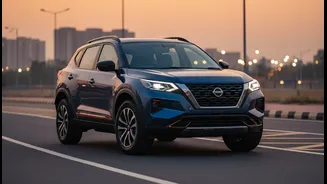










Nissan's Indian Journey: A Mixed Bag
For years, Nissan's story in India has been one of unfulfilled potential. Despite being a global automotive giant, the brand has struggled to capture significant market share. Models like the Micra, Sunny, and Kicks failed to make a lasting impact. The
budget Datsun brand was eventually discontinued after a lack of success. Then came the Magnite in late 2020, a game-changer that single-handedly revived the company's prospects. Its aggressive pricing, stylish design, and feature-rich package proved that Nissan could crack the Indian code. However, relying on a single hero model is a precarious strategy. While domestic sales have shown encouraging growth in recent months, with a 129% year-on-year jump in June 2026, the overall volumes remain modest at just over 3,000 units. Most of Nissan India's production is still focused on exports. This backdrop makes the launch of the Tekton incredibly critical; it’s a test of whether the Magnite was a one-hit wonder or the start of a true, sustainable comeback.
Enter the Tekton: What We Know
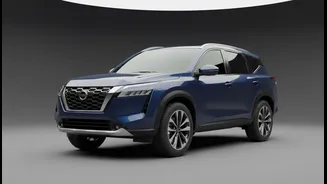
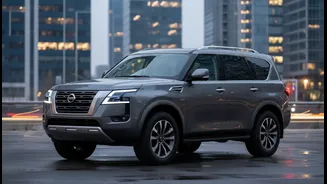
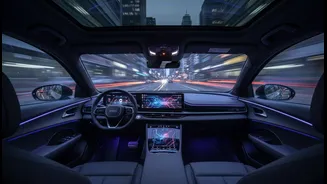
The Nissan Tekton is the brand's re-entry into the fiercely competitive mid-size SUV segment, a space it has been absent from for years. Sharing its CMF-B platform with the new Renault Duster, the Tekton is not just a rebadged twin. Nissan has given it a distinct and bold design identity, with styling cues inspired by its larger, rugged global SUVs like the Patrol. The global debut is set for July 9 in Mumbai. Under the bonnet, the Tekton is expected to come with two turbo-petrol engine options: a 1.0-litre and a more powerful 1.3-litre, paired with both manual and CVT automatic gearboxes. Inside, it promises a premium experience with a modern triple-tone cabin, a large touchscreen infotainment system, a digital driver’s display, a panoramic sunroof, and ventilated front seats. Crucially, higher variants are also expected to feature Level 2 ADAS (Advanced Driver Assistance Systems), a key feature in this segment.
The Gauntlet: A Hyper-Competitive Market
The Tekton is not launching in a vacuum. It is parachuting into arguably the most crowded and brutal battlefield in the Indian auto market. Its list of rivals is a who's who of bestsellers: the Hyundai Creta, Kia Seltos, Maruti Suzuki Grand Vitara, Toyota Hyryder, Tata Sierra, Honda Elevate, Skoda Kushaq, and Volkswagen Taigun. Each of these competitors is deeply entrenched with a loyal customer base, extensive service networks, and a wide range of variants. To succeed, the Tekton cannot just be good; it must be exceptional. It needs to offer a compelling combination of style, performance, features, and, most importantly, value that can lure buyers away from established favourites. Nissan has proven it can do this with the Magnite, but the mid-size SUV segment is a much tougher challenge with higher stakes and more discerning customers.
The Magic Word: Pricing
The headline says it all: a “well-priced” Tekton is the key. The success of the Magnite was built on a foundation of disruptive pricing that made customers feel they were getting an SUV at the price of a premium hatchback. Nissan must replicate this magic with the Tekton. Expected prices are estimated to range from ₹11 lakh to ₹18 lakh (ex-showroom). This places it squarely in line with its primary rivals like the Creta and Seltos. The challenge for Nissan will be to pack in enough features and quality at the lower end of this price bracket to make the entry-level variants feel like a bargain, while ensuring the top-end models offer a premium experience that justifies the price tag. Getting this balance right from day one will be absolutely critical to generating the initial buzz and booking numbers needed for a successful launch.