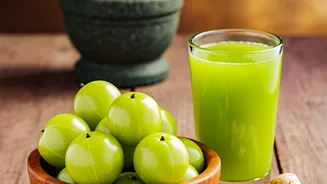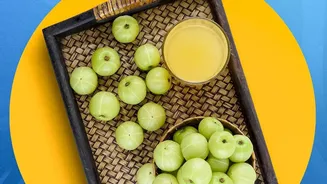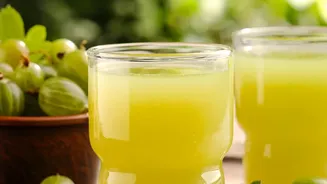



The Powerhouse in a Small Green Package
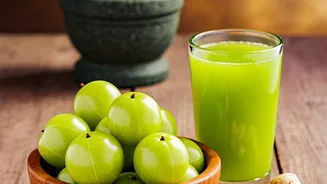
Before exploring its culinary uses, it's worth remembering why amla is so revered. It is one of the richest natural sources of Vitamin C, a potent antioxidant that bolsters the immune system. This small fruit is also packed with other nutrients like Vitamin A,
iron, and calcium. Traditional and modern medicine link it to a range of benefits, including improved digestion, better heart health by helping to manage cholesterol levels, and enhanced skin and hair vitality. This nutritional density is precisely why people make an effort to consume it, but its sharp, complex flavour can be a barrier. The good news is that cooking doesn't just make amla more palatable; it unlocks a new world of taste.
The Sweet Preserve: Amla Murabba
Perhaps the most famous amla preparation, murabba transforms the sour fruit into a sweet, tender delicacy. In this classic preserve, whole amlas are typically boiled or steamed until soft, then simmered in a fragrant sugar or jaggery syrup, often infused with cardamom. The process mellows the fruit's tartness, resulting in a glistening, translucent sphere that’s soft enough to be eaten with a spoon. Amla murabba is not just a dessert; it's often consumed as a health tonic, particularly during winter months. It’s a popular remedy for digestive issues and is considered a great way to preserve the fruit for long-term use.
The Tangy Kick: Amla Achaar
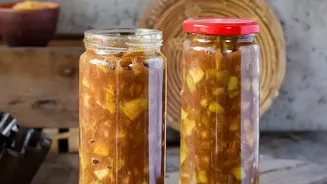
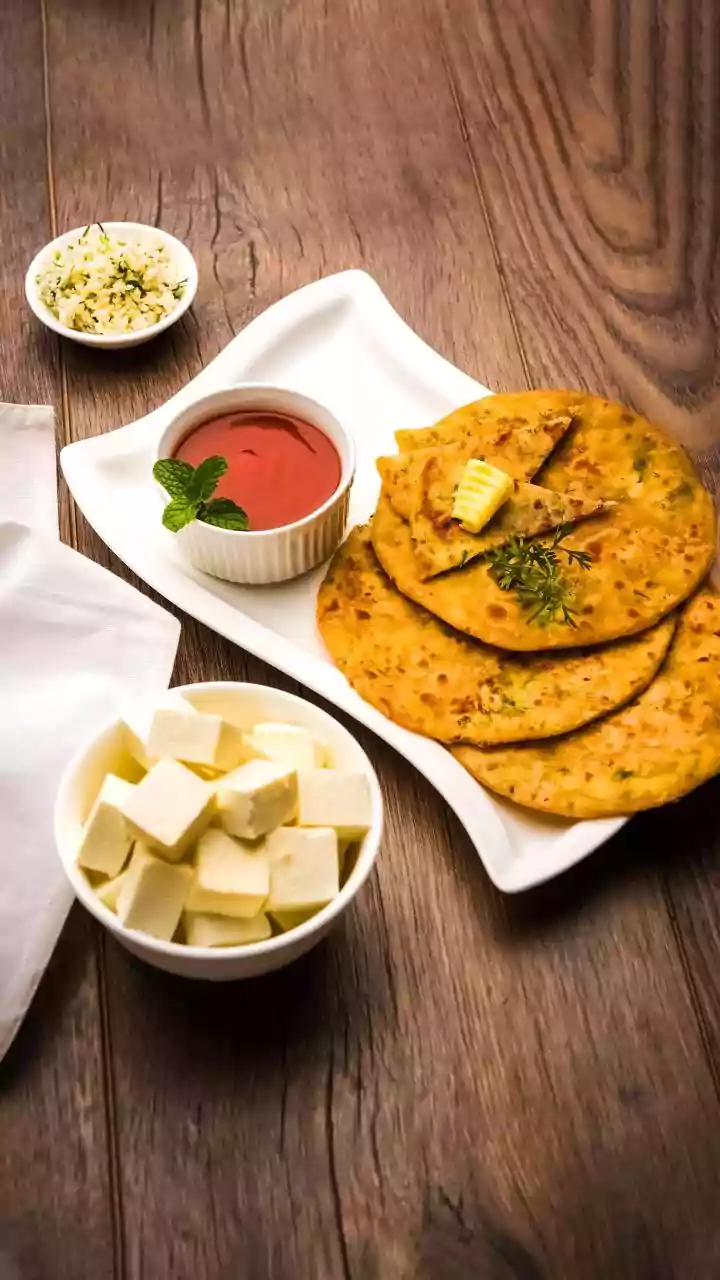
On the opposite end of the flavor spectrum is amla ka achaar, or pickle. This preparation embraces the fruit’s sourness, amplifying it with a robust blend of spices. To make the pickle, amla pieces are often softened by boiling or steaming, then mixed with mustard oil, fenugreek seeds, fennel seeds, turmeric, and chilli powder. The result is a fiery, tangy condiment that serves as a perfect accompaniment to dal, rice, and parathas. While recipes vary across regions, the core idea remains the same: to create a flavour-packed pickle that can elevate any simple meal.
The Everyday Condiment: Amla Chutney
More versatile than a pickle and quicker to make than murabba, amla chutney is an easy way to incorporate the fruit into daily meals. A basic amla chutney involves blending raw or lightly cooked amla with fresh coriander, mint, green chillies, ginger, and cumin. The combination creates a bright, zesty sauce that can be served with everything from snacks like samosas to main courses like dosa and idli. The sharpness can be easily balanced with a small amount of jaggery or sugar, making it a crowd-pleasing addition to the dining table. It can be prepared in minutes and stored in the refrigerator for several days.
Beyond the Big Three: Savory Innovations
Amla's culinary potential doesn't stop with preserves and pickles. Its sourness makes it an excellent substitute for tamarind or lemon in various savory dishes. Grated amla can be added to dal for a pleasant tangy note, or sautéed with spices like mustard seeds and curry leaves to create a flavourful amla rice. Some inventive cooks use it to make a refreshing raita by mixing grated amla into yogurt with black salt and roasted cumin. Another simple preparation involves adding chopped amla to a tempering for everyday dal, infusing the entire dish with its unique flavour and health benefits. You can even find recipes for amla kadi, a yogurt-based gravy where gooseberry pulp adds a distinctive tang.
Tips for Taming the Tartness
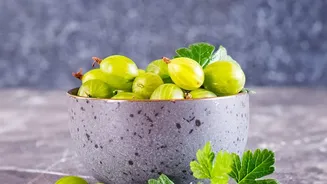
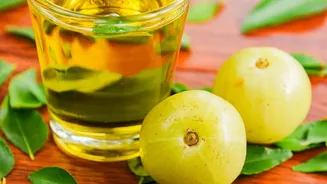
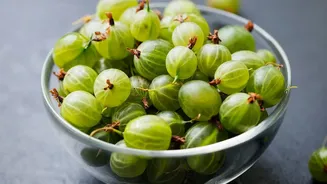
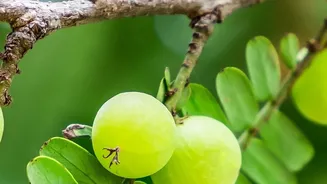
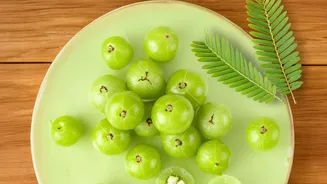
Working with amla can be intimidating due to its powerful flavour. A key technique to reduce its astringency is to first boil, steam, or brine the fruit. This not only softens the flesh, making it easier to deseed, but also mellows its sharp taste. When making chutneys or other fresh preparations, balancing the sourness with a sweetener like jaggery or honey is crucial. Pairing it with other strong flavours like ginger, garlic, and fresh herbs also helps create a more rounded and palatable dish. When selecting amla, look for firm, bright green fruits without soft spots or blemishes, as they will have the best flavour and texture for cooking.