







The Groundwork Is Complete
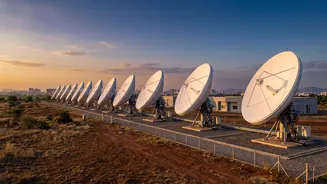
In the most concrete sign of its impending launch, Starlink has established a significant ground presence across India. Lauren Dreyer, SpaceX's Vice President of Starlink Business Operations, confirmed at the India Mobile Congress 2026 that the company
has built 20 gateway sites equipped with hundreds of antennas. This massive infrastructure investment shows Starlink is operationally ready to begin service as soon as it receives the final green light from regulators. The company also stressed that it has designed its systems specifically for India, including security controls to ensure all user data remains within the country, a key government requirement.
What Are These Gateway Sites?
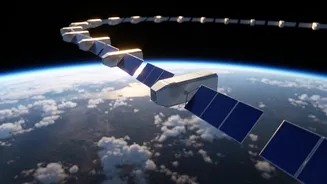
Think of gateway sites as the crucial bridge between space and your screen. Starlink's thousands of low-Earth orbit (LEO) satellites beam internet signals down, but they need to connect to the terrestrial internet to get their data. That’s where gateways come in. These ground stations are packed with antennas that communicate with the passing satellites, linking them to the vast global network of undersea and land-based fiber optic cables. By building 20 of these sites in India, Starlink ensures that Indian user traffic is routed through Indian ground stations before being sent to the satellites, complying with national security and data sovereignty laws.
The Final Regulatory Hurdles
While the physical infrastructure is in place, the service isn't live just yet. Starlink has already secured a crucial Global Mobile Personal Communication by Satellite (GMPCS) license, which was a major milestone. However, it is still awaiting final clearances, including spectrum allocation and security approvals from the Department of Telecommunications (DoT). This regulatory journey has been a long one, stretching back several years and including a false start in 2021 when the company had to refund pre-orders after being told by the government it lacked the proper licenses. Now, after five years of working with Indian regulators, the company says it is standing by, ready to launch as soon as the government gives the final go-ahead.
A New Competitor for Jio and Airtel?
Starlink's entry will inevitably shake up India's telecom landscape, but perhaps not in the way many expect. Instead of directly competing in dense urban markets, Starlink has signed Memorandums of Understanding (MoUs) with rivals Reliance Jio and Bharti Airtel. This suggests a strategy of partnership rather than all-out war. The incumbents may use Starlink to complement their existing services, particularly for extending their reach into remote and rural areas where laying fiber is difficult and expensive. Starlink's primary value proposition is connecting the unconnected, a goal that aligns with the business interests of both Jio and Airtel. However, some analysts remain skeptical, pointing out that Starlink's likely high price point could limit its mass-market appeal.
The Promise for Digital India
The true game-changing potential of Starlink lies in its ability to bridge India's digital divide. For millions living in villages and remote regions, reliable high-speed internet has remained an elusive dream. Traditional infrastructure like fiber optic cables can be prohibitively expensive and slow to deploy in difficult terrain. Satellite internet bypasses these physical challenges entirely. By providing high-speed, low-latency connectivity from space, Starlink could bring transformative opportunities in education, healthcare, and commerce to areas that have been left behind by the digital revolution, helping fulfill the vision of 100% connectivity across the nation.