




A Deluge of Rock and Mud
In June 2021, the Melamchi River, a vital waterway in the Sindhupalchowk District, swelled into a monstrous torrent of water, mud, and boulders. The flash flood swept through communities, including the bustling Melamchi Bazar, destroying hundreds of homes,
bridges, and critical infrastructure like the headworks of the Melamchi Water Supply Project. The disaster resulted in numerous deaths and displaced hundreds of people, leaving a thick layer of mud and debris that hampered rescue efforts for days. Initially, the sheer volume of debris and the timing, which coincided with the early monsoon, made it difficult for scientists to pinpoint a single cause.
More Than Just Heavy Rain
While heavy monsoon rainfall was a factor, it alone did not explain the event's extraordinary power. Scientists were initially puzzled because it didn't fit the typical profile of a straightforward Glacial Lake Outburst Flood (GLOF), where a glacial lake's natural dam gives way. Instead, early evidence pointed towards a more complex sequence of events high in the Himalayas. The region had been severely affected by the 2015 Gorkha earthquake, which is thought to have destabilized slopes and left behind large deposits of loose rock and sediment, creating a precarious situation waiting for a trigger.
Anatomy of a Cascading Disaster
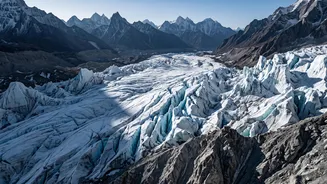
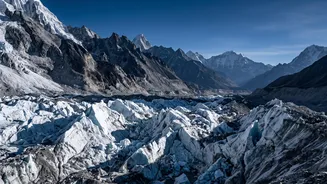
Detailed studies combining satellite imagery, field data, and digital models have since pieced together the sequence. The disaster began high in the mountains with a massive landslide or avalanche of rock and ice. This immense volume of material cascaded down into the Melamchi River's path, forming a temporary but massive dam. For a few hours, the river's flow was blocked, allowing a tremendous amount of water to build up behind the debris dam. Local authorities, sensing the danger, even issued a warning for people to move to higher ground. Eventually, the natural dam could no longer hold back the immense pressure of the impounded water and it burst catastrophically.
The River Becomes a Weapon
The bursting of the landslide dam unleashed a powerful slurry of water mixed with the very debris that had blocked it—a churning, fast-moving mixture of sand, boulders, and logs. This debris flow had immense erosive power. As it charged downstream, it scoured the riverbed and banks, picking up even more material and growing in volume and destructive force. This cascading effect is what transformed a high-altitude landslide into a devastating, far-reaching flood that widened the river channel by three to five times in some places and buried entire settlements under metres of sediment.
A Sobering Warning for the Himalayas
The analysis of the Melamchi flood serves as a stark warning for the entire Hindu Kush Himalaya region, including India. Scientists point to climate change as a key aggravating factor, with warming temperatures leading to faster snowmelt, thawing permafrost, and destabilized mountain slopes. These conditions increase the likelihood of complex, cascading disasters like the one in Melamchi, where a combination of intense rainfall, landslides, and river blockages creates a hazard far greater than the sum of its parts. Understanding this chain reaction is critical for developing better early warning systems and disaster preparedness plans for the millions of people living in the shadow of the world's highest mountains.