





The Golden Spices Go Global
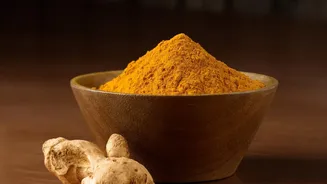
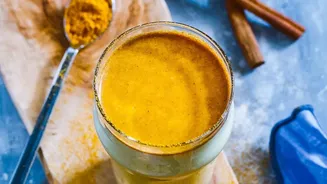
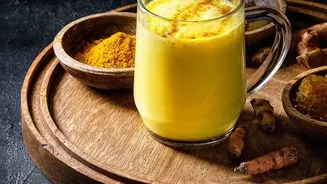
In India, haldi and adrak are not trends; they are timeless essentials woven into our food and traditional medicine for centuries. But in recent years, the rest of the world has caught on, and suddenly these familiar roots are everywhere—in trendy 'golden
lattes', expensive shots, and countless supplements promising to cure everything. This global spotlight has created a confusing mix of genuine benefits and exaggerated marketing claims. While it's exciting to see our culinary heritage celebrated, it's more important than ever to understand what these spices can—and cannot—do for our health.
Turmeric: The Anti-Inflammatory Powerhouse
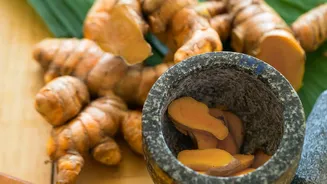
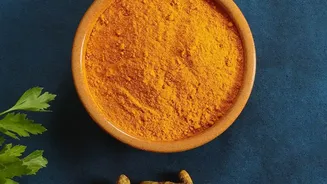
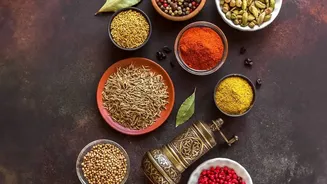
The magic in turmeric comes from a compound called curcumin, which has powerful antioxidant and anti-inflammatory properties. A growing body of research supports its use for managing inflammatory conditions like osteoarthritis, with some studies showing it can reduce joint pain and stiffness. There is also emerging evidence for its role in helping to manage blood sugar and for hay fever relief. However, there’s a catch: curcumin is not easily absorbed by the body. Traditional wisdom and modern science agree that adding a pinch of black pepper, which contains a compound called piperine, can significantly increase curcumin's bioavailability. So, that pinch of black pepper in your masala mix is doing more than you think.
Ginger: A Soother for Stomachs and More
Ginger’s star compound is gingerol, responsible for its pungent flavour and many of its medicinal properties. Its most well-established benefit is its ability to combat nausea. It is highly effective for various types of nausea, including morning sickness during pregnancy, post-surgery queasiness, and as a support for patients undergoing chemotherapy. Like turmeric, ginger is also a potent anti-inflammatory agent, which may help with muscle soreness after exercise and symptoms of arthritis. It also aids digestion by helping the stomach empty more efficiently, which can reduce bloating and gas.
Reality Check: Powerful Aids, Not Magic Cures
This is where we must separate the evidence from the hype. While turmeric and ginger have proven benefits, they are not miracle cures. Claims that they can single-handedly prevent cancer, reverse dementia, or cause rapid weight loss are not supported by strong scientific evidence in humans. Most of the dramatic anti-cancer research, for instance, has been conducted in labs on isolated cells, not in human trials. Think of these spices as powerful allies in a healthy lifestyle—alongside a balanced diet and regular exercise—rather than standalone solutions. Their consistent, long-term use in food is where the real, sustainable benefits for general well-being are found.
Smart, Simple Ways to Use Them Daily
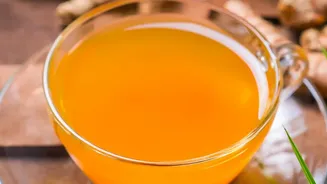
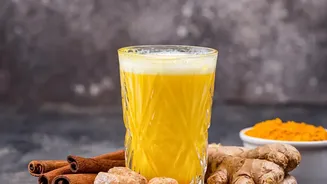
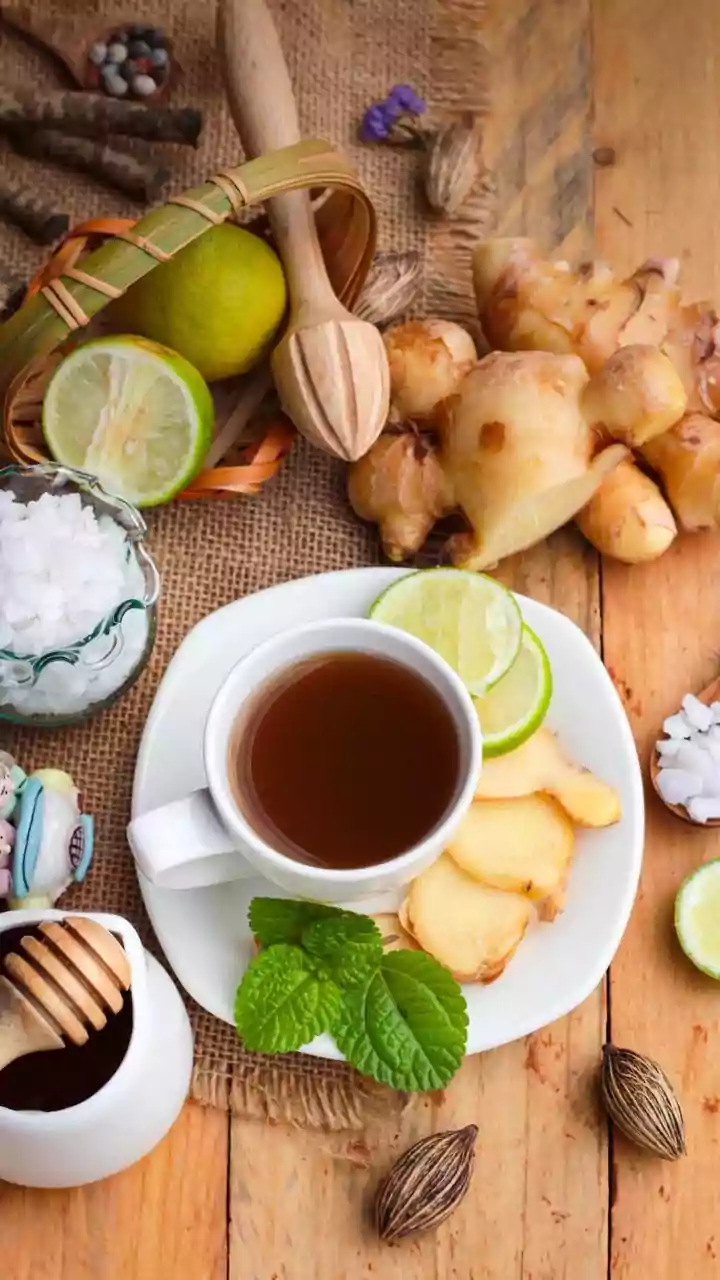
You don’t need expensive supplements to reap the benefits of turmeric and ginger. The best way is to embrace how we've always used them. Start your day with a comforting adrak chai. Add a generous amount of grated ginger and turmeric powder to your daily dals, sabzis, and curries. On a cold day, a warm glass of haldi doodh (turmeric milk) with a dash of black pepper and ginger can be incredibly soothing. Preparing a simple paste of fresh turmeric and ginger to store in the fridge makes it easy to add a spoonful to soups, marinades, or even warm water with lemon. This culinary approach ensures you get a steady, safe intake.
Food First, Supplements with Caution
For general health, getting your turmeric and ginger from whole foods is the safest and most recommended approach. Supplements provide a much higher, concentrated dose of active compounds like curcumin and gingerol, which may be necessary for therapeutic effects on specific conditions like severe arthritis. However, these high doses are not without risks. They can cause stomach upset and may interact with medications like blood thinners. In rare cases, high-dose turmeric supplements have been linked to liver issues. Therefore, you should always consult a doctor before starting any new supplement regimen.