




1. Build Real-World Functional Strength
Unlike gym machines that isolate specific muscles, park-based bodyweight exercises like pull-ups, dips, and inverted rows engage multiple muscle groups simultaneously. This is known as functional strength training, as it mimics real-life movements such
as lifting, pushing, and pulling. Using parallel bars for dips or a low bar for rows forces your core to stabilize your body, improving coordination and muscle balance. This type of strength is practical, making everyday activities feel easier and reducing the risk of injury from daily tasks.
2. Versatile and Progressive Overload
Park equipment offers endless variety for all fitness levels. A simple park bench isn't just for sitting; it’s a tool for elevated push-ups, tricep dips, or box jumps. You can easily adjust the difficulty of an exercise—a concept known as progressive overload—without adding weights. For example, moving from an inclined push-up with your hands on a bench to a decline push-up with your feet on it dramatically increases the challenge. Monkey bars can be used for simple hangs to build grip strength or for advanced movements like pull-ups and leg raises, allowing you to continually challenge your muscles as you get stronger.
3. Enhance Balance and Core Stability
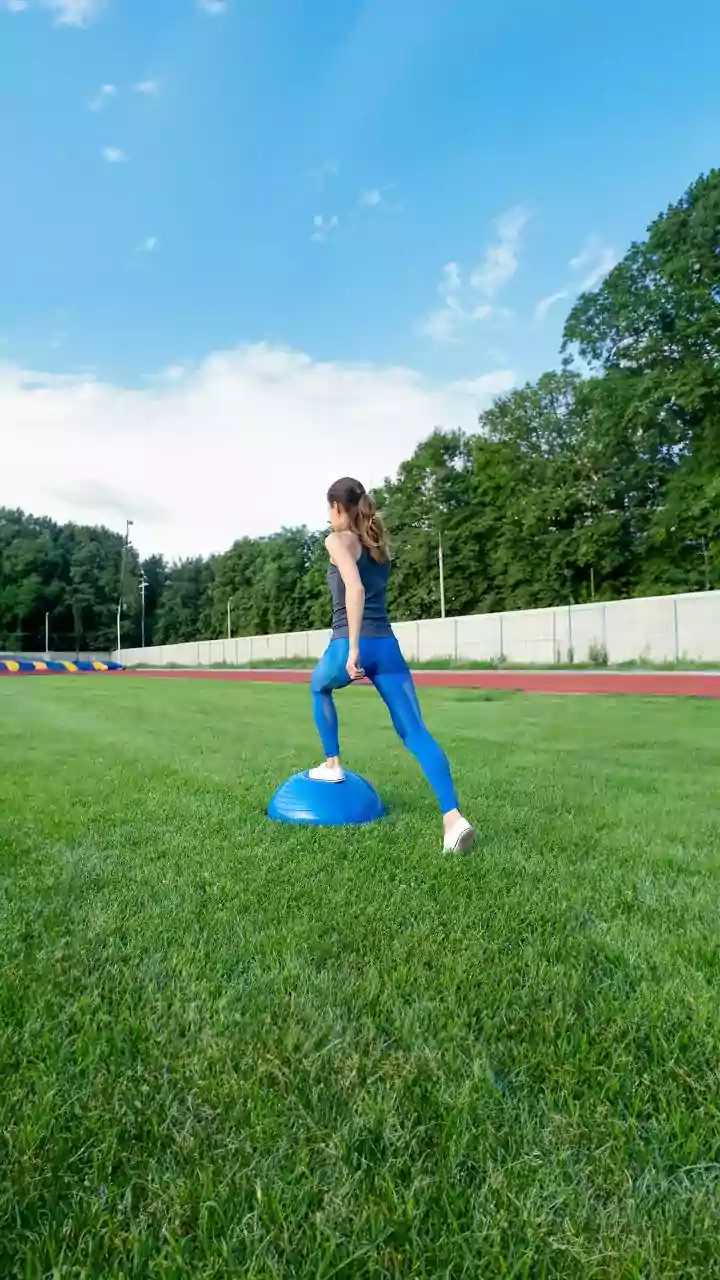
The outdoor environment is inherently less predictable than a climate-controlled gym. Surfaces may be slightly uneven, and equipment like swings can be used for challenging core exercises that demand stability. Performing movements like lunges on grass or using a beam to practice balance enhances your proprioception—your body's awareness of its position in space. Bodyweight exercises are excellent for building core strength and stability. A strong core is the foundation of all movement, improving posture and reducing the risk of lower back pain.
4. Increase Calorie Burn and Cardiovascular Health
Bodyweight conditioning can be a powerful tool for both strength and cardiovascular health. By moving quickly between different exercises—like a circuit of bench jumps, push-ups, and sprints—you can keep your heart rate elevated for a high-intensity interval training (HIIT) session. This combination of strength and cardio is highly effective for burning calories and promoting fat loss. Furthermore, exercising outdoors has been shown to potentially increase calorie burn as your body works harder to adapt to changing terrain and elements like wind resistance. Regular use of park cardio equipment, if available, can also strengthen the heart and lower blood pressure.
5. Lower Impact on Joints
Bodyweight training is often gentler on the joints compared to heavy weightlifting. Because you are using your own body as resistance, you are less likely to overload your joints with excessive weight, which can lead to strain or injury. Many bodyweight movements, such as squats and lunges, help improve flexibility and range of motion, which further protects your joints by keeping them supple. This makes it a sustainable form of exercise for people of all ages and fitness levels, allowing for consistent training without the wear and tear associated with heavier forms of resistance training.