



Who Were the Nattukottai Chettiars?
Hailing from the arid Chettinad region of Tamil Nadu, comprising around 75 villages with Karaikudi as its hub, the Nattukottai Chettiars were a formidable community of traders, bankers, and financiers. From the 19th to the early 20th century, they established
a powerful economic network that stretched from their homeland to Sri Lanka, Burma (Myanmar), Malaysia, Singapore, and Vietnam. Their success was not just in finance; they were cultural connoisseurs, building palatial mansions with Burmese teak and Italian marble. This global exposure and their tradition of bringing the best of the world back home did not stop at architecture. It profoundly shaped their kitchens, transforming their food into a culinary journal of their travels.
A Culinary Map of Global Trade
The Chettiars’ voyages across Southeast Asia became a spice route in reverse. While India exported spices, the Chettiars imported flavours. From Burma, they adopted sticky red rice, known locally as kavuni arisi, which is now used in puddings and other delicacies. Their time in Malaysia and Singapore introduced them to the sweet and sour notes of Straits Chinese cooking, while in Vietnam, they learned to appreciate fragrant herbs. This blending of international tastes with a strong Tamil foundation is the essence of Chettinad food. It was a cuisine developed by a community that was originally vegetarian but adapted to include local meats and seafood like fish, crab, and prawns, influenced by their coastal trading partners and new homes.
The Anatomy of a Chettinad Spice Box
Many mistake Chettinad food for being merely spicy, but its true genius lies in its complexity and balance. The heat comes from black pepper and dried red chillies, but the soul of the cuisine is in its unique aromatic spices. Key ingredients include kalpasi (black stone flower), a lichen that imparts a smoky, earthy flavour, and marathi moggu (kapok buds), which add a peppery, floral note. These are combined with star anise, cloves, cinnamon, fennel seeds, and cumin, all freshly and painstakingly dry-roasted and ground. This freshly prepared masala powder is the secret behind the cuisine's layered and aromatic profile, a world away from generic curry powders.
Signature Dishes and Their Stories
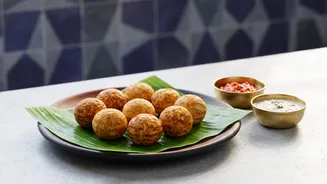
The story of the Chettiars is best told through their iconic dishes. The world-famous Chicken Chettinad is a perfect example, showcasing the robust use of pepper and freshly ground spices. Seafood, a staple from their coastal trading days, is celebrated in fiery preparations like Nandu Masala (crab curry) and Meen Kuzhambu (fish curry). The community’s resourcefulness, born from living in an arid land, is reflected in their use of sun-dried meats (uppukandam) and vegetables, which were perfect for long sea voyages. Even vegetarian dishes are complex, like Ennai Kathirikai, a tangy stuffed brinjal curry, and the delicate rice dumplings known as kuzhi paniyaram.
More Than a Meal: The Virundhu Experience
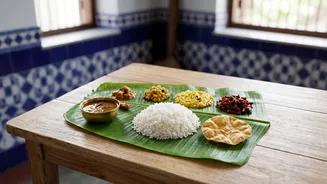
A true Chettinad meal, or virundhu (feast), is an elaborate affair that reflects the community's legendary hospitality. Traditionally served on a banana leaf, a meal can feature an array of dishes laid out in a specific order. Rice is the centrepiece, surrounded by various gravies, stir-fried vegetables (poriyal), lentil stews (kootu), pickles, and crisp papadams. The sequence of serving—from the first spoonful of rice with dal and ghee to the tangy rasam and finally curd rice—is designed to aid digestion and provide a complete sensory experience. It's a structured culinary performance, honed over generations, that turns eating into a celebration of flavour, family, and heritage.