



A New Recipe for Recycling
Researchers at Southern Illinois University (SIU) have developed a process that turns the carbon locked inside common PET plastic—the material used for water and soda bottles—into an edible, protein-rich biomass. The project, led by associate professor
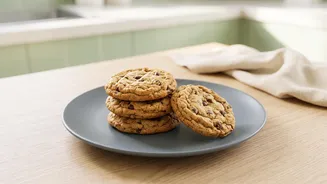
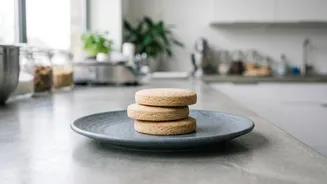
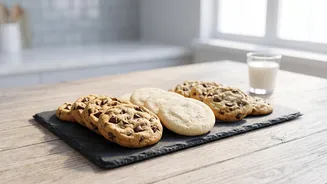
Lahiru Jayakody, treats plastic not as permanent waste but as a carbon source for a new kind of food. The team has successfully created a proof-of-concept product: a 3D-printed cookie dubbed the "µBite," or microbite. The underlying principle is simple but profound, as Jayakody explains: "plastic is carbon and food is carbon." This shift in perspective reframes the problem of plastic waste, suggesting a future where it could be upcycled into something of significant value rather than being downcycled, landfilled, or left to pollute ecosystems.
How Microbes Turn Waste to Food
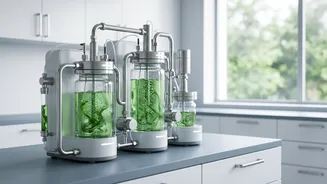
The process avoids the harsh chemicals and solvents often associated with plastic recycling. Instead, it relies on a two-stage, bio-led approach. First, the PET plastic, along with agricultural waste like corn stalks, is broken down. It undergoes a process called oxidative hydrothermal dissolution, which uses high-pressure water and oxygen to decompose the tough materials into smaller, water-soluble carbon molecules that microbes can access. In the second stage, the real magic happens. Genetically programmed yeasts are introduced to this carbon-rich liquid. These microorganisms, which include strains of common baker's yeast, act as miniature biological factories. They consume the carbon fragments derived from the plastic and plant matter, using them as fuel to grow and multiply. In doing so, they convert the raw carbon into a biomass rich in proteins and fats, effectively rebuilding waste into a nutritional substance.
The Biological Advantage
Traditional recycling methods for PET plastic often involve energy-intensive processes or chemical solvents to break the material down into its constituent monomers, which can then be used to make new, often lower-quality, plastic. This new microbial method represents a significant leap forward into what is known as 'upcycling'. Instead of just creating more plastic, it transforms a low-value waste product into a high-value commodity: food. The SIU team uses the microbes' natural efficiency to do the heavy lifting. "Microbes are very clever," Jayakody notes. "So, we are using their traits to solve the problems we created." This approach not only offers a more sustainable path but also opens up entirely new possibilities for creating a circular economy where resources are continuously reused and repurposed.
More Than Just Protein
The platform's sophistication goes beyond simply creating a protein base. The researchers have programmed different yeast strains to produce specific, value-added compounds that enhance the final product. For example, one strain of baker's yeast is engineered to convert molecules from the agricultural waste into vanillin, the compound responsible for vanilla's distinct flavor and aroma. Another engineered yeast takes ethylene glycol, a component derived from the PET plastic, and transforms it into beta-carotene. The human body converts beta-carotene into Vitamin A, adding a nutritional boost to the final product. This demonstrates the potential to not only create a food source but to customize its flavor, nutritional profile, and consumer appeal, all from a starting point of discarded waste.
The Road from Lab to Lunchbox
While the prospect of eating plastic-derived food is exciting, µBites will not be appearing on store shelves anytime soon. The project is currently a proof-of-concept, and the team is awaiting institutional approval to conduct human taste tests to confirm its safety and palatability. Furthermore, the current cost of production is high, and scaling the process from the lab to an industrial level presents significant challenges. Public acceptance is another acknowledged hurdle that must be overcome. However, the technology has already attracted serious interest. The research is partly funded by NASA's Deep Space Food Challenge, which seeks innovative ways to feed astronauts on long-duration missions where resupply is impossible, highlighting its potential application in resource-scarce environments, whether in outer space or in disaster zones on Earth.