
Why a Colander Works So Well
The secret to a healthy container plant is proper drainage, and that’s where the colander shines. Its built-in holes are perfect for letting excess water escape, which helps prevent root rot—a common issue for many potted plants. This single feature makes
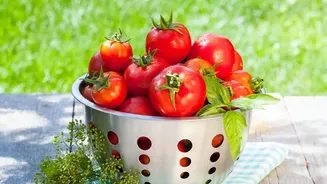
it an ideal, if unconventional, choice for gardeners. Instead of drilling holes into pots, you have a container that's naturally suited for the job. Whether you have a vintage enamel colander or a modern stainless steel one, this upcycling project turns a simple kitchen tool into a stylish home for your plants. Both metal and sturdy plastic colanders can be used effectively.
Gathering Your Simple Materials
One of the best parts of this project is its simplicity. You only need a few items, most of which you may already have. Start with a colander of your choice—metal, enamel, or plastic will all work. Next, you will need something to line it with to prevent soil from falling through the holes. Good options include coconut coir liners (often sold for hanging baskets), a piece of burlap, landscape fabric, or even a few coffee filters in a pinch. You'll also need a quality potting mix and, of course, your chosen plants. If you plan to hang your planter, you will need a chain, rope, or twine and some S-hooks to attach to the colander's handles.
A Simple Step-by-Step Guide
Creating your planter takes only a few minutes. First, prepare your colander. If you're using a new metal one, giving it a quick wash is a good idea. If you want to paint it, make sure to use a spray paint suitable for metal for a durable finish. Once ready, cut your liner to fit snugly inside the colander. The goal is to cover the holes to hold the soil in, while still allowing water to drain. Next, add a layer of potting soil, filling the colander about halfway. Gently remove your plants from their nursery pots, arrange them inside the colander, and then fill the gaps with more potting soil, pressing down lightly to secure them. Give it a gentle watering, and your new planter is ready.
Choosing the Best Plants
Because colanders offer excellent drainage, they are perfect for plants that don't like to sit in water. Succulents, which thrive in drier conditions, are a fantastic choice. For a pop of colour, consider trailing flowers like petunias, verbena, or lobelia, which will cascade beautifully over the sides. Herbs are another great option; a colander can become a mini kitchen garden filled with basil, mint, chives, or oregano, hanging conveniently by your door. You can even create a small salad garden with various leaf lettuces. Heat-tolerant plants like marigolds and lantana also do very well.
Care and Creative Considerations
Taking care of your colander planter is straightforward, but there are a few things to keep in mind. Due to the superior drainage, the soil will dry out faster than in a traditional pot, so you may need to water it more frequently, especially in warm weather. If you're using a metal colander, it may eventually show signs of rust, which some people love for its rustic, weathered aesthetic. To slow this process, you can apply a clear, rust-resistant sealant before planting. You can use a single colander as a centrepiece on a table or hang it from a porch hook or shepherd's hook in the garden. For a more dramatic look, you can even drill holes to connect multiple colanders of different sizes into a tiered hanging display.