





The Risk of a Single Home
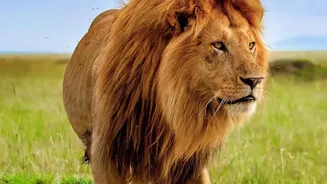
For decades, the entire wild population of Asiatic lions has been a conservation success story confined to a single location: Gujarat's Gir National Park and the surrounding landscape. Their numbers have rebounded impressively, with the 2025 census counting
891 lions, a significant jump from 674 in 2020. But this success carries a heavy burden. Concentrating a whole species in one place creates what scientists call a 'single point of failure'. A single contagious disease outbreak, like the Canine Distemper Virus that killed 28 lions in 2018, or a natural disaster could be catastrophic for the species. This has made the search for a second, independent lion population not just a good idea, but an urgent necessity for their long-term survival.
Barda's Long-Awaited Return
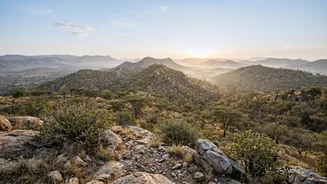
About 100 kilometres from Gir, the Barda Wildlife Sanctuary is now officially emerging as that crucial second home. Lions had not been seen in Barda's rugged, 192-square-kilometre landscape since 1879. That long silence was broken in early 2023 when a male lion naturally dispersed and walked into the sanctuary on his own. Following this natural migration, the Gujarat Forest Department introduced five females to establish a new population. As of late 2025, the sanctuary was already home to a growing population of 17 lions, including 11 cubs born in their new habitat. This return marks a pivotal moment, turning Barda into a protected satellite population under the central government's 'Project Lion' initiative.
What the New Study Confirms
The latest validation comes from a scientific study published in the journal 'PLOS One', titled 'Beyond Gir: Barda Wildlife Sanctuary as a Potential Stronghold for Asiatic Lions'. Researchers from the Gujarat Forest Department and Banda University of Agriculture and Technology radio-collared six of the lions and tracked their movements, habitat use, and diet between January 2023 and July 2025. The data, generated from over 169,000 GPS locations, showed the lions are not just surviving but thriving. They have established stable home ranges, are actively using the sanctuary's mixed forests and grasslands, and are forming social bonds. The study concludes that Barda provides the suitable habitat and ecological conditions to sustain a lion population over the long term.
A Menu for a Predator
A suitable home for lions must have a well-stocked kitchen. The headline's claim about prey is a critical piece of the puzzle. The study found that the lions' diet currently relies heavily on wild pigs, which are abundant. However, to support a larger, more stable population, a more diverse prey base is needed. Recognizing this, conservation efforts are actively focused on improving food availability. The forest department has been augmenting the prey population for years by breeding and releasing sambar and spotted deer (chital). In a significant recent push during 2025-26, 441 chitals were translocated from Gir to Barda specifically to strengthen the herbivore numbers. While the current prey density is considered low, these ongoing efforts are designed to ensure Barda's lions have a sustainable source of natural food, reducing their reliance on domestic livestock.
The Road to a Resilient Future
With scientific validation that Barda is a viable habitat, the focus now shifts to management and expansion. The establishment of this second population is a cornerstone of Project Lion, a comprehensive conservation program aimed at securing the species' future. This involves more than just moving animals; it requires continuous habitat management, vigilant monitoring of the lions' health, and working with local communities to mitigate human-wildlife conflict. The government has deployed full-time lion trackers and strengthened rapid response teams to manage this new phase. The success at Barda is a buffer against unforeseen disasters at Gir and serves as a blueprint for how to manage a growing lion population across a wider landscape.