

An Introduction to Drumstick Dal Soup
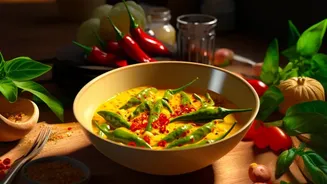
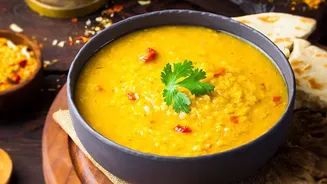
Known regionally by various names like Murungakkai Sambar or Munagakaya Pappu Charu, this dish is a flavorful stew that masterfully blends vegetables, lentils, and spices. While recipes vary from one household to another, the core components remain the same:
tender sections of drumstick (the pods of the moringa tree) simmered with cooked lentils, often with a tangy hint of tamarind and a fragrant tempering of spices. It is cherished not just for its unique taste, which is earthy and savory, but also for its impressive array of health benefits, making it a perfect one-pot meal to enjoy with steamed rice.
The Power of Drumsticks (Moringa)
The star vegetable, drumstick, is the pod of the Moringa oleifera tree, often called the “miracle tree” for its nutritional density. These pods are packed with essential nutrients, including vitamins A, C, and K, as well as minerals like calcium, potassium, and iron. Traditionally used in Ayurvedic practices, moringa is celebrated for its anti-inflammatory and antioxidant properties, which help combat cellular damage. Regular consumption is believed to boost immunity, support bone health, aid digestion, and even help regulate blood sugar levels. Just 100 grams of fresh drumstick pods can provide more than 150% of your daily required vitamin C.
Dal: The Hearty Foundation
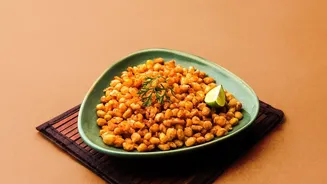
Dal, or lentils, forms the creamy, protein-rich base of the soup. The most commonly used variety is toor dal (split pigeon peas), prized for its nutty flavor and its ability to break down into a thick, comforting consistency. However, combinations of moong dal or masoor dal are also popular. Lentils are a fantastic source of plant-based protein, dietary fiber, and essential minerals like magnesium and iron. The high fiber content aids in digestion and promotes a feeling of fullness, while the low glycemic index helps in managing blood sugar levels, making the soup both satisfying and healthy.
A Symphony of Aromatics and Spices
No Indian soup is complete without a complex blend of spices that provides both flavor and digestive benefits. This soup typically includes turmeric for its anti-inflammatory properties and earthy color, along with sambar powder, a classic South Indian spice mix. The final flourish comes from a tempering, or 'tadka', where mustard seeds, cumin seeds, dried red chilies, and a pinch of asafoetida (hing) are sizzled in ghee or oil. This process unleashes a powerful aroma and infuses the soup with its characteristic warm, savory depth. Many recipes also include shallots, tomatoes, garlic, and curry leaves to build a richer flavor base.
Getting It Right: Preparation and Cooking
When buying drumsticks, look for pods that are light green, fresh, and flexible; avoid any that look dry or woody, as they can be tough and take too long to cook. To prepare them, simply wash and cut them into finger-length pieces. The dal is usually pressure-cooked until soft and mushy, creating a smooth foundation. The drumstick pieces are often cooked separately until tender but still holding their shape, as overcooking can make them fall apart. They are then combined with the cooked dal, tamarind water, and spices to simmer, allowing the flavors to meld together beautifully.