









A Coveted Global Recognition
The “fresh peg” putting the Darjeeling Himalayan Railway (DHR) on the world map for 2027 comes from one of the most respected names in travel: Lonely Planet. The global travel guide publisher has officially named the DHR as one of the world's top 25 travel experiences
in its prestigious 'Best in Travel 2027' list. This annual selection, curated by a global network of writers and experts, singles out the most compelling destinations and journeys for the year ahead. In a double win for the region, Darjeeling itself was listed among the top 25 destinations, specifically highlighted as being “best for a Toy Train journey”. This recognition isn't just a fleeting mention; it's a powerful endorsement that places the historic 'Toy Train' firmly in the sights of international tourists planning their future adventures, shining a renewed light on this marvel of Indian engineering and heritage.
Why the Journey Is the Destination
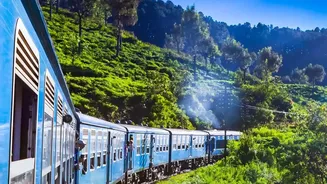
What makes a nearly 150-year-old railway a must-have experience for 2027? According to Lonely Planet, it's the simple fact that on the DHR, “the journey is the whole point”. In an age of high-speed travel, the Toy Train is a celebration of slowing down. The popular tourist joyrides, which cover about 14 kilometres between Darjeeling and Ghum, can take around two hours. This leisurely pace is intentional, allowing passengers to soak in the breathtaking vistas of the Eastern Himalayas, lush tea plantations, and bustling hillside towns. The train itself is the main event, chugging through tight bends and winding paths where the track runs so close to shops and homes that it feels like a journey through the heart of the community. It’s this intimate, immersive quality that transforms a simple train ride into an unforgettable cultural experience, justifying its place as a top global attraction.
An Engineering Marvel of a Bygone Era
The DHR's charm is rooted in its incredible history. Built between 1879 and 1881, it stands as a testament to Victorian-era engineering ingenuity. Tasked with connecting the plains of New Jalpaiguri with the hill station of Darjeeling, its builders had to overcome a formidable challenge: a steep ascent of nearly 2,100 metres over just 88 kilometres. Their solution was a series of clever loops and zig-zags (reverses) that allow the narrow-gauge train to gracefully climb the precipitous slopes. This pioneering design was so significant that in 1999, the DHR was declared a UNESCO World Heritage Site, the first of three railways that now form the 'Mountain Railways of India'. Today, the sight of historic B-Class steam locomotives, some over a century old, still hauling carriages is a living link to this remarkable past, offering passengers a ride through history itself.
Full Steam Ahead for the Future
This global recognition arrives as the DHR is already investing heavily in its own preservation and enhancement. Indian Railways has been actively working to celebrate and secure the line’s future. In July 2026, on its 145th anniversary, the DHR announced a major plan to restore all its heritage station buildings to their original architectural glory, guided by experts. There's also a concerted effort to improve safety and minimise monsoon-related disruptions. Furthermore, the railway continues to innovate its offerings with new services, such as the special 'Muktadhara' and 'Red Panda' joyrides introduced for the festive season running from late 2026 to early 2027. As DHR Director Rishav Choudhary stated, the Lonely Planet nod is a sign that “all the hard work put into preserving and promoting this heritage railway is paying off.” He affirmed the commitment to “do more to showcase the DHR on the global tourism map”.