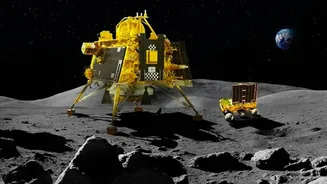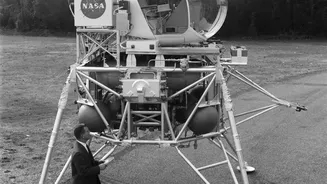

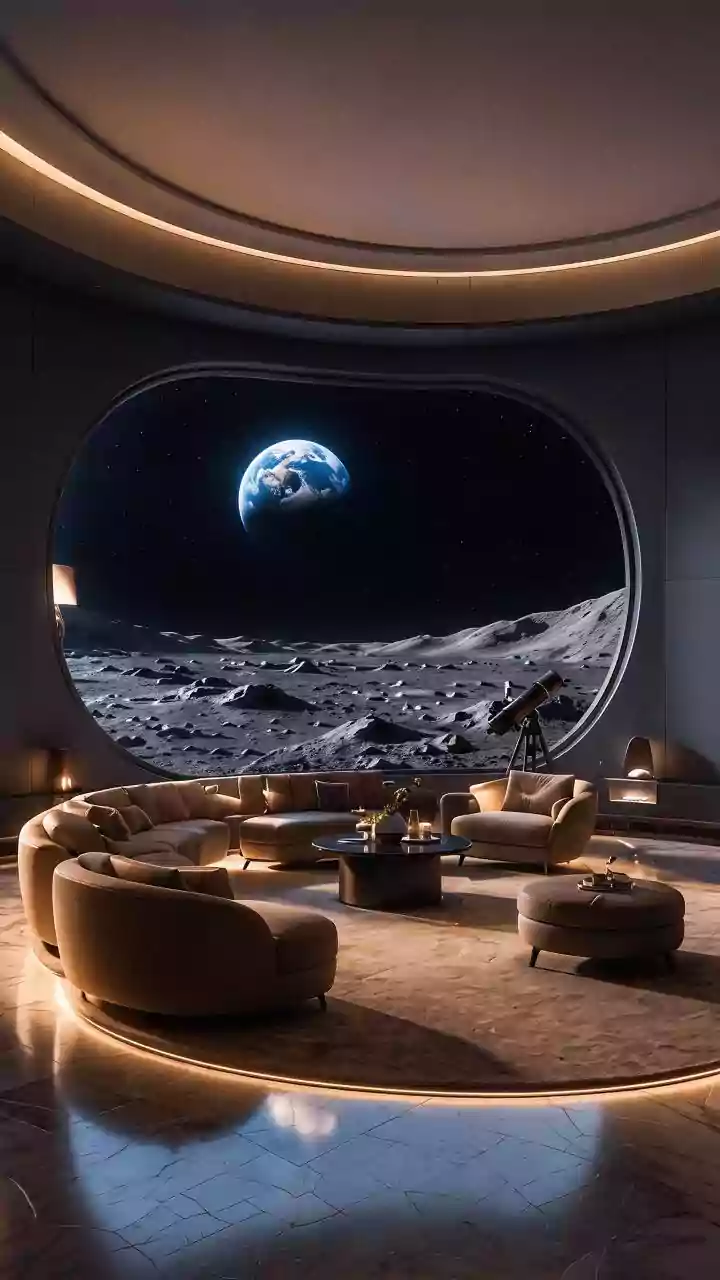
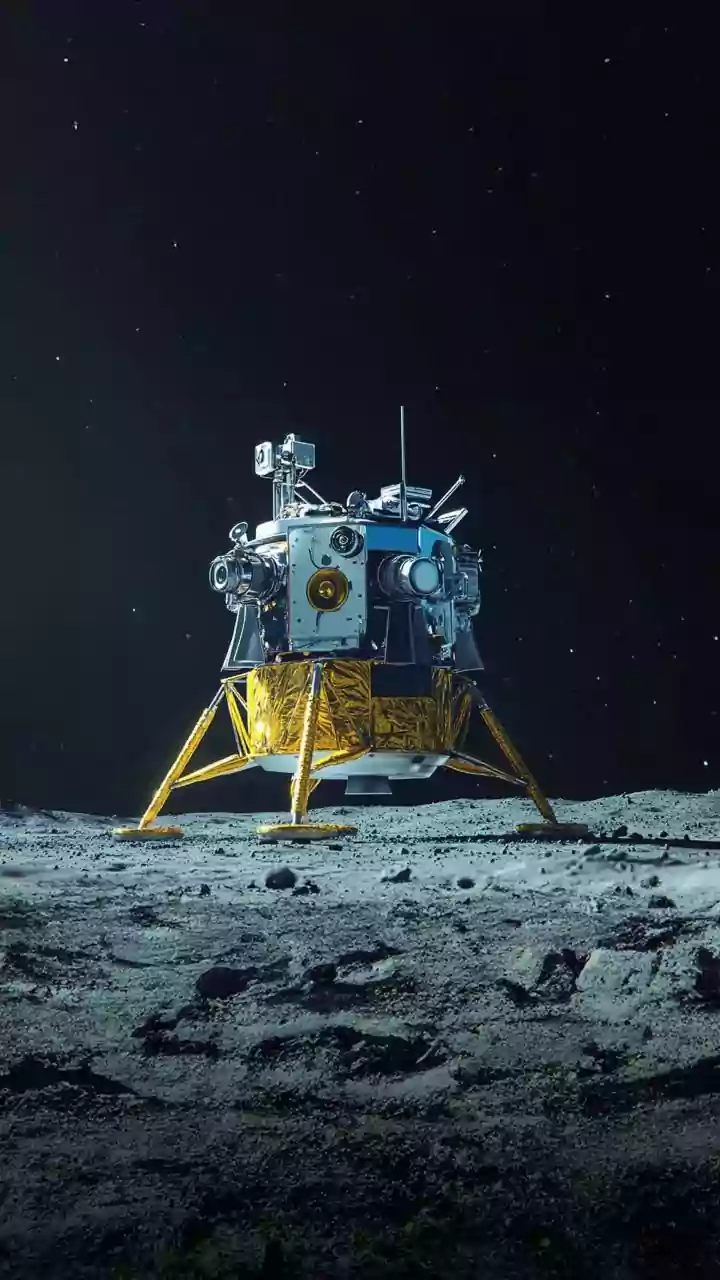
NASA is calling on the next generation of explorers for its most ambitious project: a sustained human presence on the Moon. In a new challenge, students across the US are being asked to help solve the problems of living and working on another world.
A $1 Million Call to the Artemis Generation
In
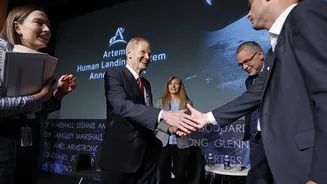
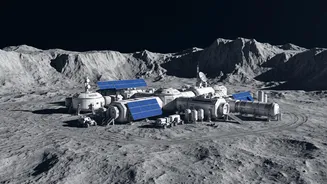
early November 2026, NASA officially launched the Moon Base Challenge, a competition inviting student teams from high schools and post-secondary institutions across the United States to help design a future lunar outpost. With a prize pool of $1 million, the agency is crowdsourcing solutions for the complex, real-world problems that must be solved before astronauts can live and work on the Moon for extended periods. The initiative is part of the broader Artemis program, which aims to establish a long-term base near the lunar South Pole. NASA Administrator Jared Isaacman announced the challenge, emphasizing that students don't need to wait until graduation to contribute to the future of space exploration. The goal is to tap into the creativity and curiosity of young minds to tackle the practical hurdles of creating a home on another world.
High Schools and Colleges Side-by-Side
Unlike some of NASA’s university-only competitions, the Moon Base Challenge explicitly includes high school students, alongside those in technical schools, vocational programs, and traditional four-year colleges. This creates a unique environment where younger students can participate in the same grand challenge as their collegiate counterparts. Registrations are open until January 25, 2027, and teams can sign up without needing prior specialized engineering experience. The competition is structured in phases, beginning with concept papers due in February 2027. While some have noted potential disparities between a well-funded university engineering department and a high school robotics club, the structure allows for separate divisions and judging, ensuring a fair playing field. This inclusive approach widens the pipeline for the future aerospace workforce, inspiring students from diverse academic backgrounds to see a place for themselves in space exploration.
Six Big Problems to Solve
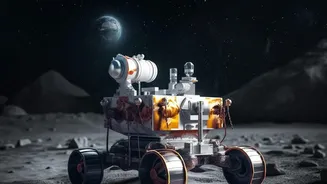
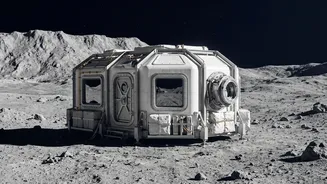
The challenge isn't just a single task; it's broken down into six critical areas essential for a functioning lunar base. Teams can choose to focus their ingenuity on one of these categories: power generation and storage, habitat construction, life-support systems, surface mobility, communication networks, or astronaut safety. These topics cover everything from how to generate power during the long lunar night to building habitats from local materials like regolith (moon dust), ensuring breathable air and clean water, and protecting astronauts from radiation and micrometeoroids. The problems are immense. For example, the 'Habitat Construction' category asks teams to conceptualize landing pads and modules, while 'Astronaut Safety' involves shielding delicate equipment and people from the harsh lunar environment. Students are tasked with creating designs that are not only innovative but also practical for deployment on the Moon.
More Than Just a Contest
While the $1 million prize pool is a significant incentive, the Moon Base Challenge is designed to mirror how ideas are developed within the aerospace industry itself. After initial concept papers, finalists will be selected to refine their designs, attend webinars with NASA experts, and eventually submit a recorded pitch video. The process provides invaluable handson experience in project management, systems engineering, and communicating complex technical ideas—skills crucial for a STEM career. This challenge joins a suite of NASA student competitions, such as the Lunabotics Challenge, which focuses on building mining and construction robots, and the Human Exploration Rover Challenge. Many of these programs feed directly into NASA's long term goals, with student developed concepts sometimes contributing to the agency's body of knowledge and technological development. Past participants in similar challenges have often gone on to careers at NASA and in the wider aerospace industry.