






The Problem with the Chase
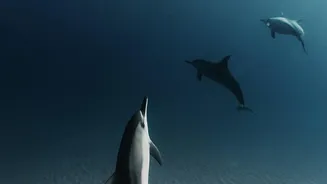
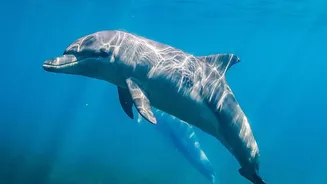
Imagine this common scene: a boat full of excited tourists spots a pod of dolphins. The engine revs, and the boat gives chase, getting as close as possible for that perfect photo. While born from enthusiasm, this high-speed pursuit is deeply stressful
for the animals. Studies show that when tourist boats are present, dolphins spend significantly less time on essential activities like resting, feeding, and socialising. Instead, they are forced into an avoidance mode, spending more energy swimming away from the perceived threat. A recent study off Goa's coast found that the presence of tourist boats caused Indian Ocean humpback dolphins to reduce their socialising by 35% and foraging by half. This constant disruption interrupts their natural behaviour and can have long-term consequences for their health and survival.
A More Rewarding Encounter
Now, picture a different approach. Your boat slows down upon spotting a distant pod, the engine is cut, and silence descends, broken only by the sounds of the sea. From a respectful distance, you observe. You are no longer a pursuer, but a privileged guest in their aquatic world. You might see them travelling, playing, or even hunting. This patient observation allows for a much deeper appreciation of their natural behaviour. It transforms the experience from a frantic photo-op into a genuine wildlife encounter. The reward is no longer just a picture, but an understanding of the animal in its own environment. This approach is not only better for the dolphins, but it creates a more authentic and memorable experience for the traveller, fostering a sense of connection rather than conquest.
Understanding Dolphin Distress
To be a responsible observer, it helps to recognise signs of stress. When dolphins feel threatened by boats, they may change direction erratically, slap their tails on the surface, or take longer, deeper dives to escape. The underwater noise from boat engines is also a major problem. Dolphins rely on echolocation to navigate, hunt, and communicate. Boat noise can mask these crucial sounds, forcing them to use more energy to be heard or making it harder to find food and stay in contact with their pod. Forcing an animal to change its behaviour for our entertainment is the opposite of appreciation. Respecting their need for space is the most fundamental rule of ethical wildlife tourism.
How to Be an Ethical Observer
Making a positive difference is straightforward. First, choose your tour operator wisely. Ask if they follow responsible viewing guidelines. Ethical operators will maintain a safe distance (at least 50-100 metres), approach dolphins from the side rather than head-on, limit viewing times, and never chase, encircle, or feed the animals. They will often switch off their engines to minimise disturbance. Reputable companies in places like Goa are working with local fishermen to create sustainable livelihoods that protect marine life. Never support tours that guarantee sightings or allow swimming with wild dolphins, as this often involves aggressive pursuit. By choosing operators who prioritise conservation, you vote with your wallet for a more sustainable industry.
Dolphin Watching in India
India's waters are home to several dolphin species. Along the coasts of Goa, Maharashtra, and the Andaman and Nicobar Islands, you can find species like the Indian Ocean Humpback Dolphin and the Spinner Dolphin. India is also home to the endangered Ganges River Dolphin, the country's National Aquatic Animal, which inhabits the freshwater systems of the Ganga and Brahmaputra rivers. This unique, functionally blind species faces immense pressure from habitat fragmentation, dams, and pollution. Whether you are on the ocean or a river, the principles of responsible watching remain the same. The future of these incredible animals depends on a collective shift in our tourism practices, moving from passive consumption to active conservation.